
Japan has always been one of those destinations that feels intimidating to plan, especially for first time solo travellers. Between the language barrier, transportation system, and the perception that Japan is expensive, many people hesitate to take the leap.
After spending 14 days exploring Osaka, Nara, Uji, Kyoto, Mount Fuji, Tokyo, Yokohama, Kamakura, and Enoshima on my own, I realised that travelling solo in Japan is much easier and more affordable — than most people think. This itinerary focuses on cultural landmarks, scenic viewpoints, local food, charming streets, and iconic Mount Fuji views, without visiting Disneyland or Universal Studios.
In this guide, I’ll share my complete 14-days Japan itinerary, together with a detailed budget breakdown, accommodation costs, and transport expenses to help you plan your own solo adventure in Japan.
2 Weeks Itinerary
Day 1 – Osaka
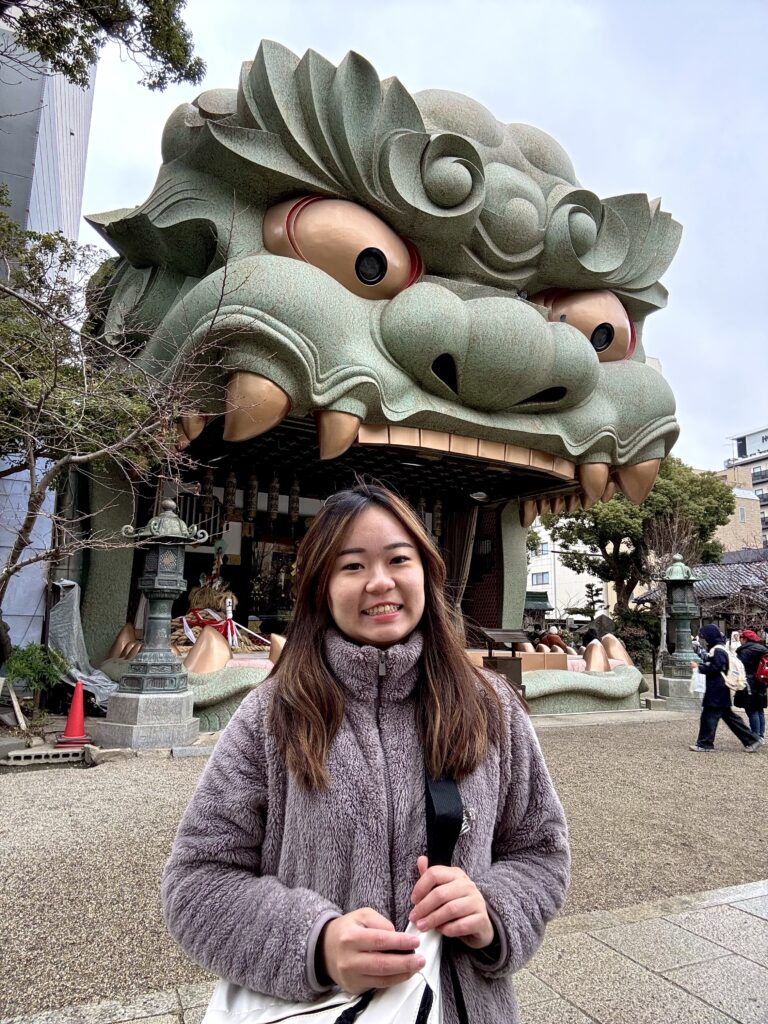
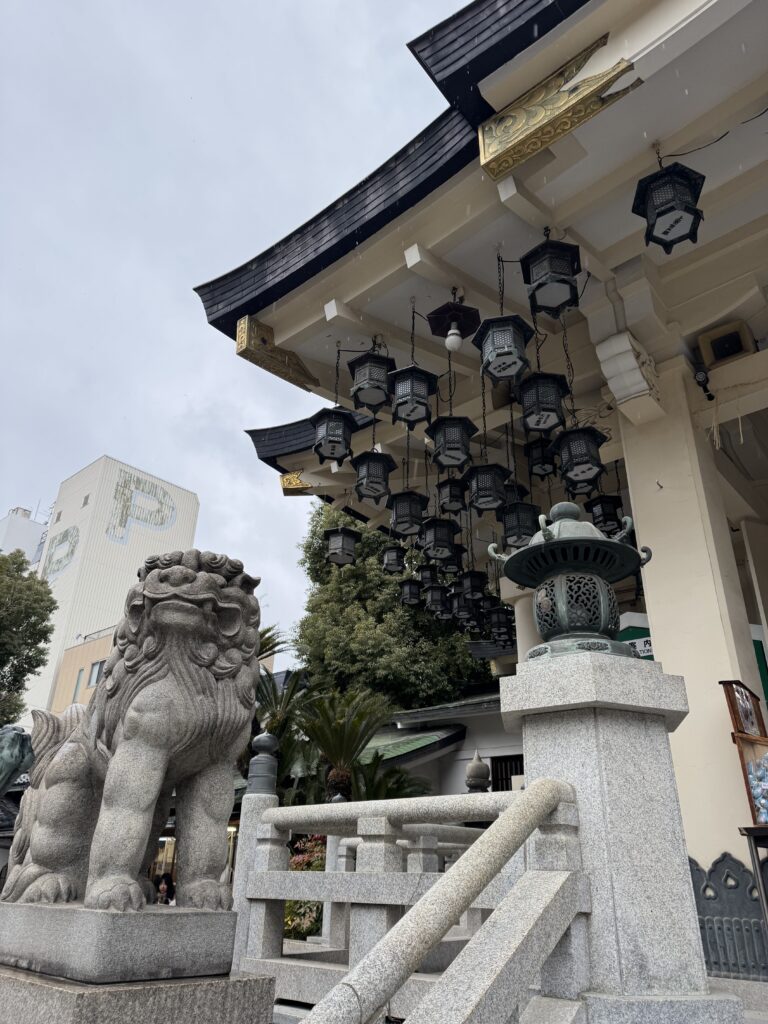
Namba Yasaka Shrine
Namba Yasaka Shrine is a small but unique shrine best known for its giant lion head stage, which is said to swallow evil spirits and bring good luck. It’s a quick and worthwhile stop near Namba, especially for photos and a peaceful break from Osaka’s busy streets.
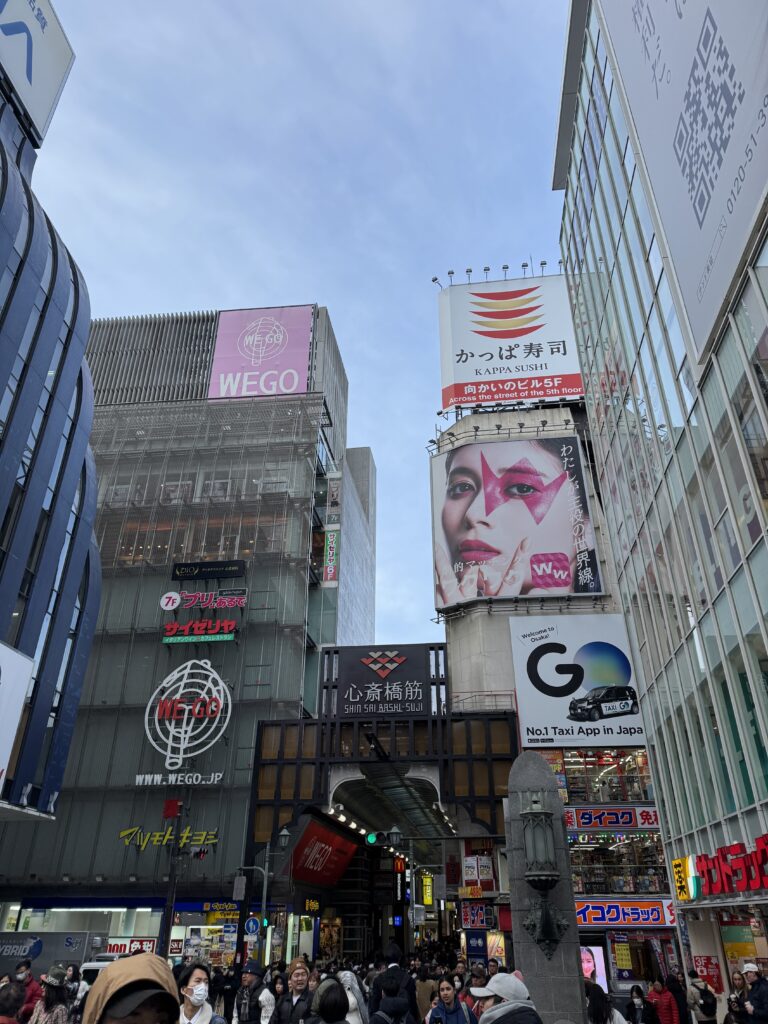
Shinsaibashi
Osaka’s most famous shopping street, packed with fashion stores, local brands, cafes, and restaurants.
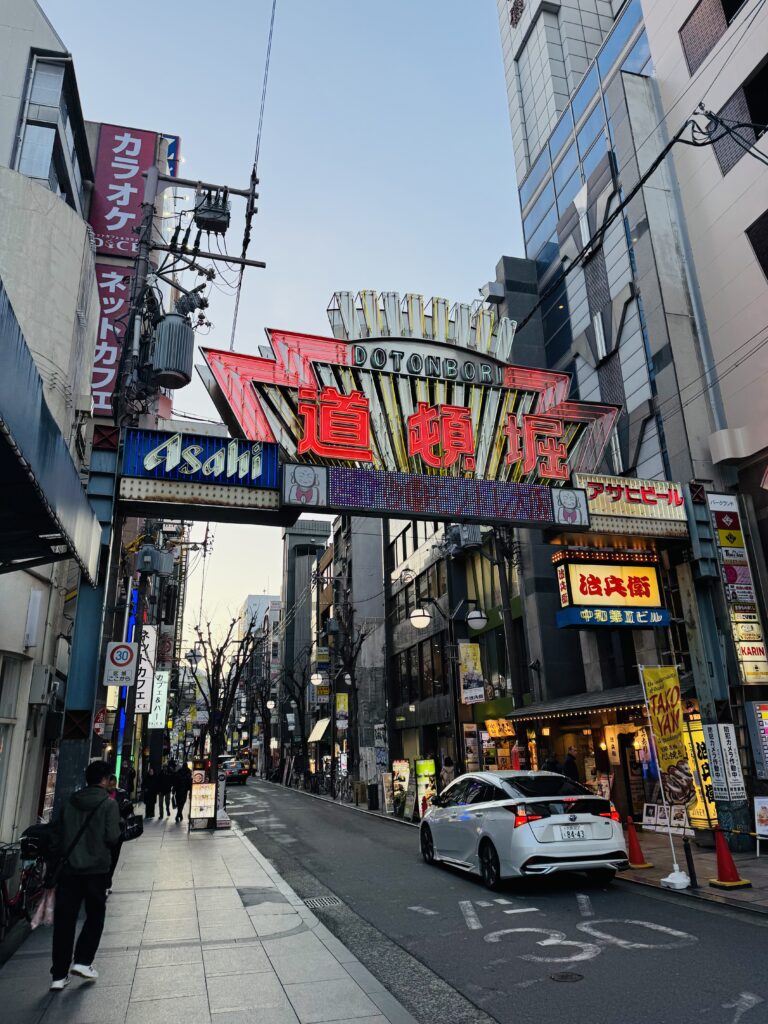
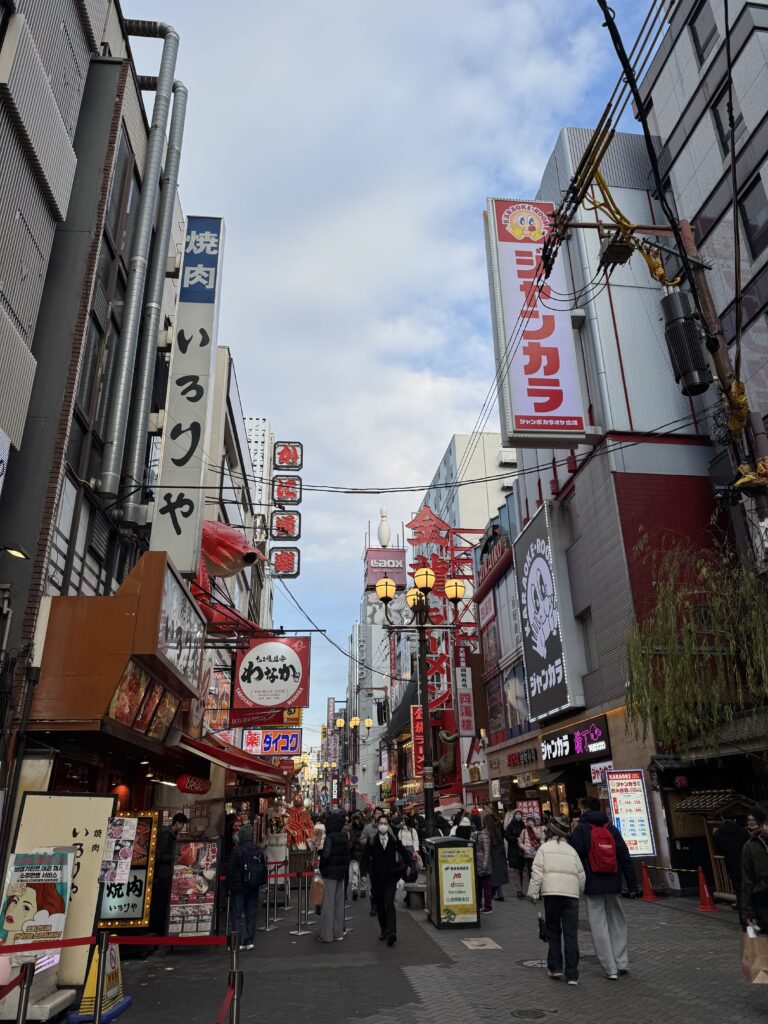
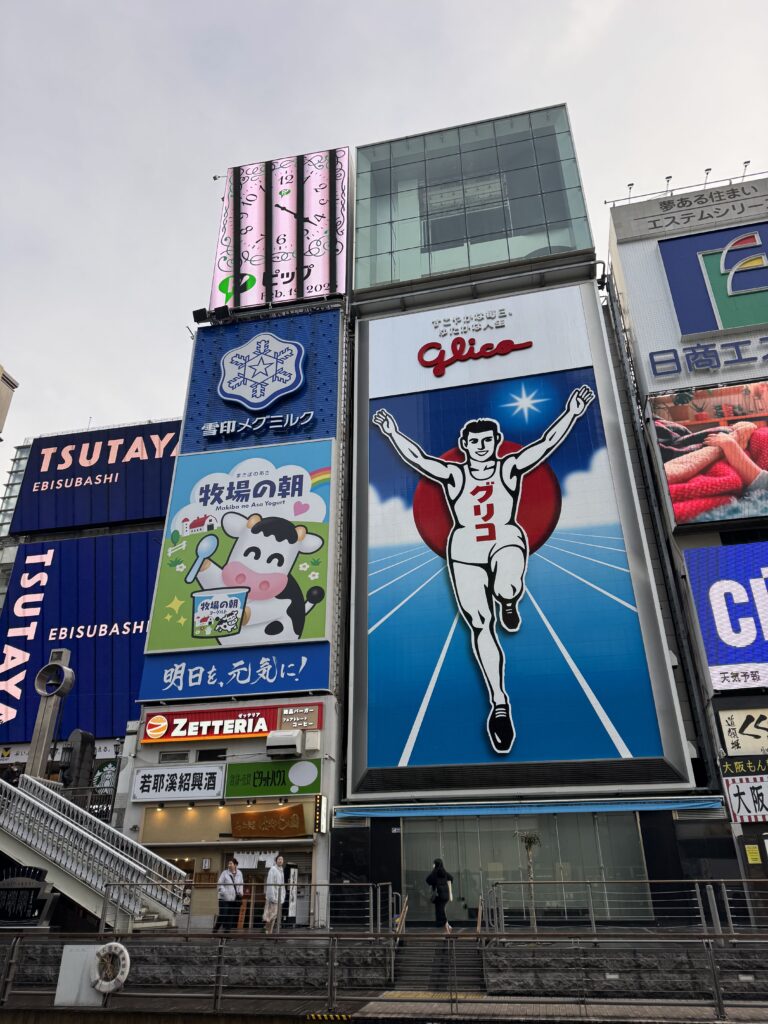
Dotonbori
Osaka’s iconic entertainment district, known for its neon lights, street food, and the famous Glico sign.
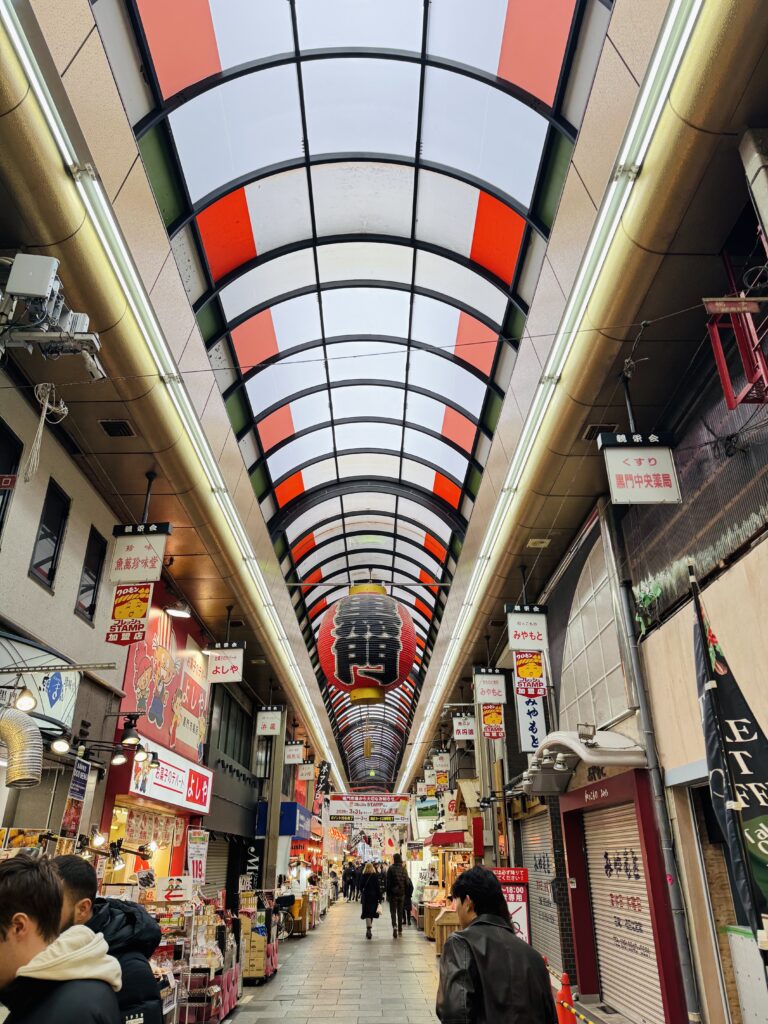
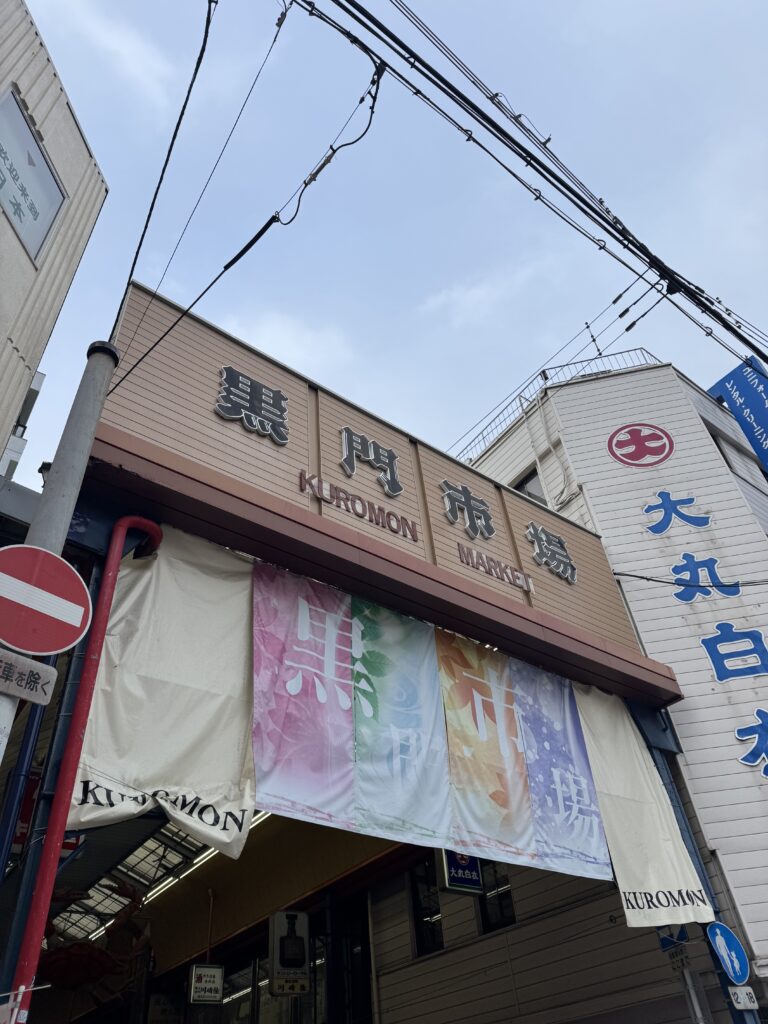
Kuromon Market
A popular seafood and street food market, though prices today feel more geared towards tourists than locals. So for me it’s not a must visit spot.
Day 2 – Osaka
I visited all these attractions using the 1-Day Osaka Amazing Pass from Klook, and it was definitely worth it! 🎟️
The pass includes entry to multiple attractions plus unlimited rides on selected Osaka trains and buses, which helped me save quite a bit on both sightseeing and transportation.
You can get your pass through the link 🔗Get Your Pass Here, and use my code EXPLOREWITHCAI for extra savings (when eligible).
Osaka Castle + Park
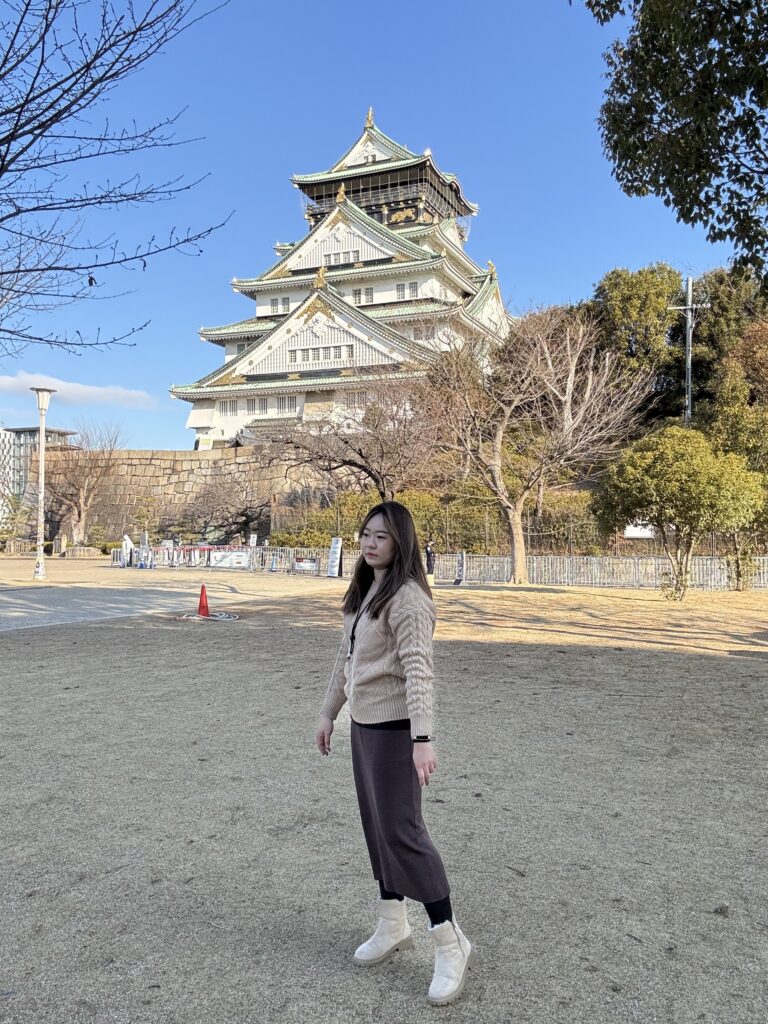
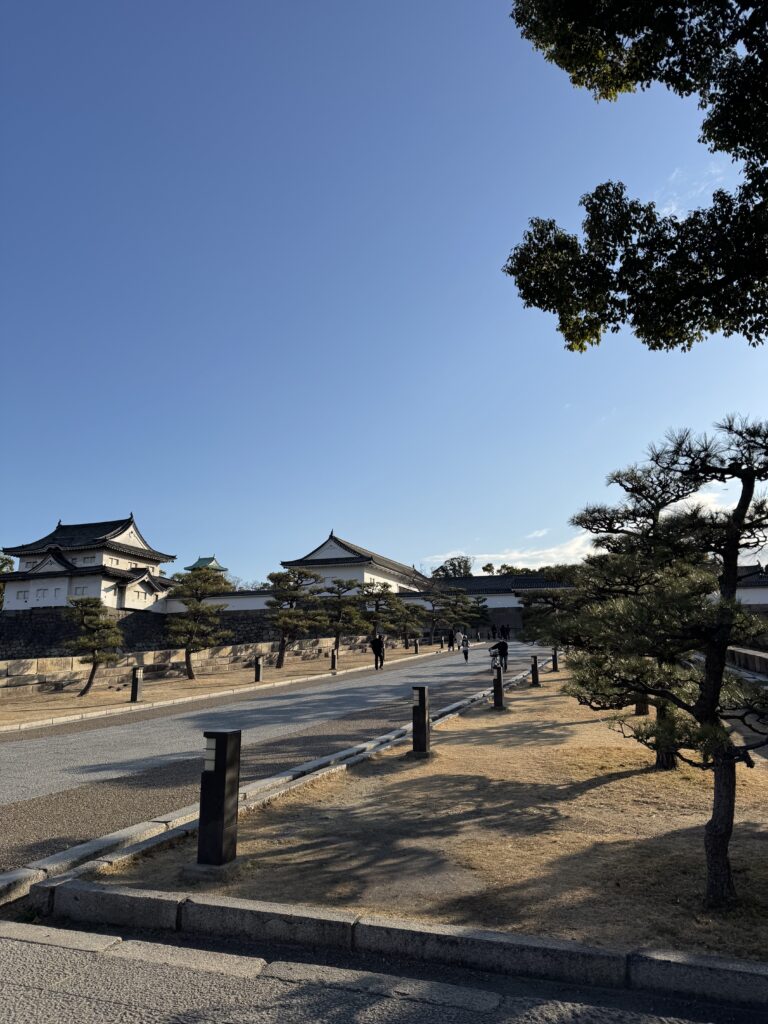
One of Osaka’s most iconic landmarks, Osaka Castle offers a glimpse into Japan’s history and is surrounded by a large park that’s perfect for a leisurely stroll, especially during cherry blossom season
Umeda Sky Building (Kuchu Teien Observatory)
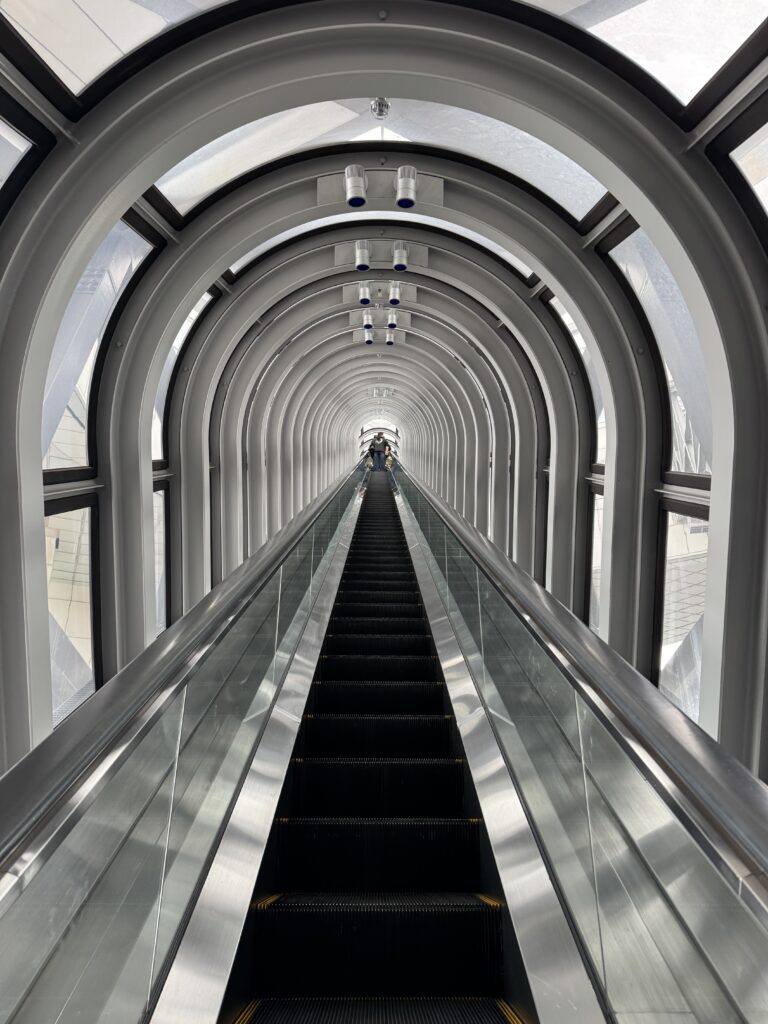
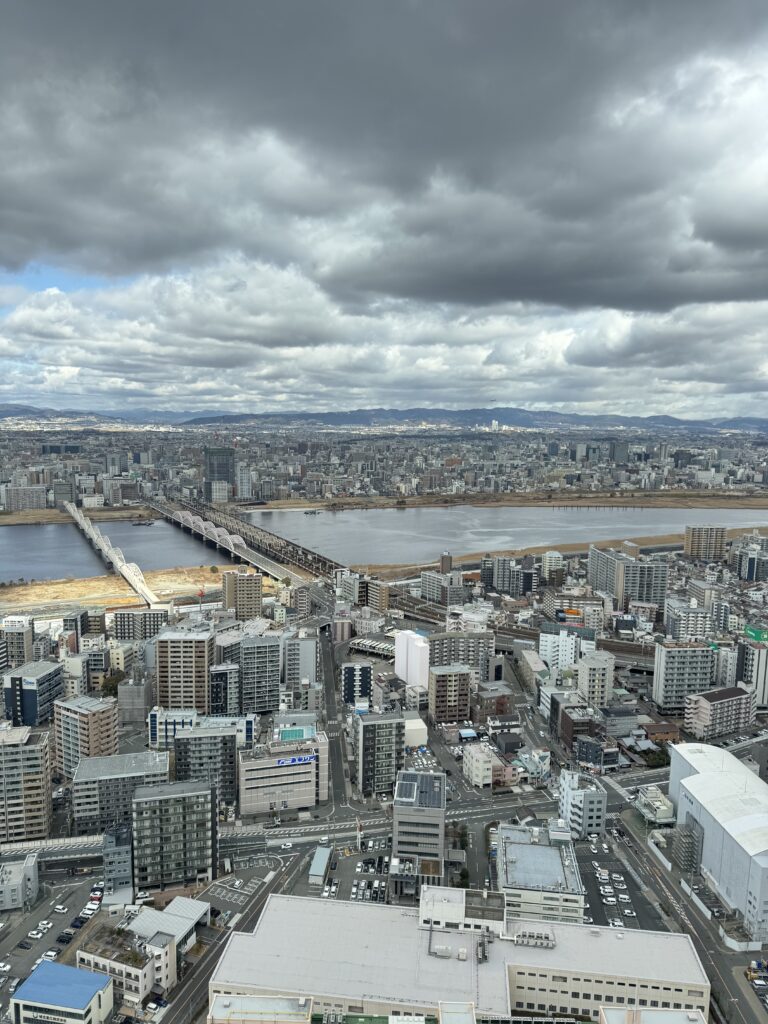
One of Osaka’s best observation decks, offering panoramic city views from its unique floating garden observatory, especially beautiful at sunset and night.
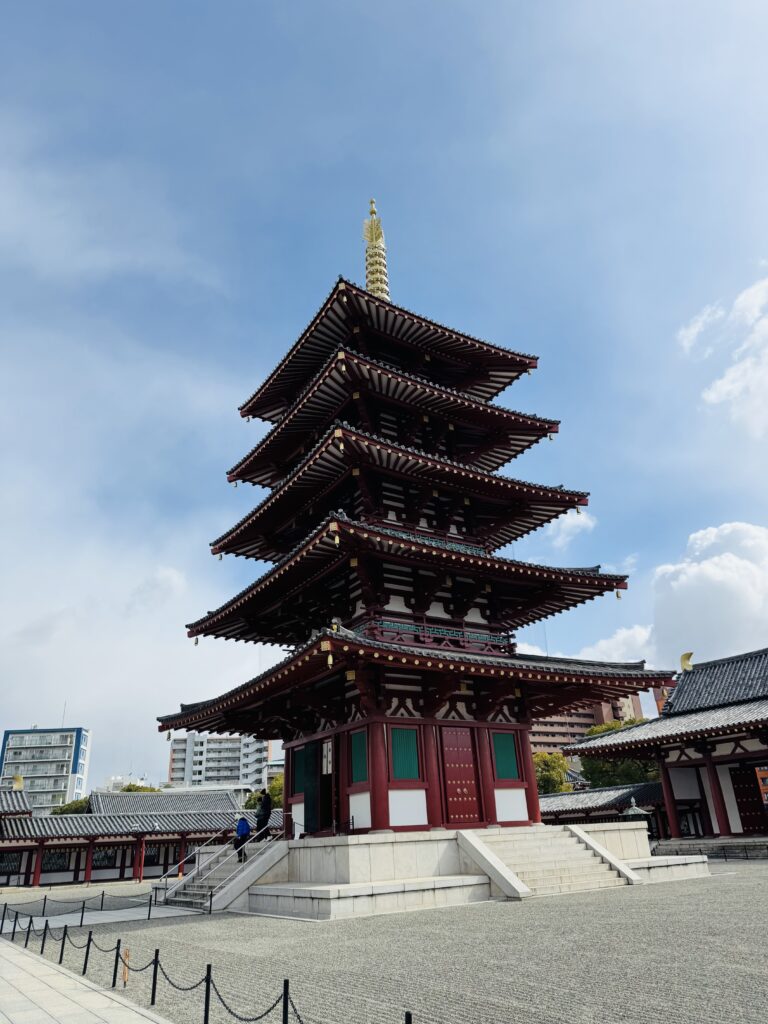
Shitennoji Temple
One of Japan’s oldest Buddhist temples, known for its peaceful grounds, traditional architecture, and rich history dating back over 1,400 years.
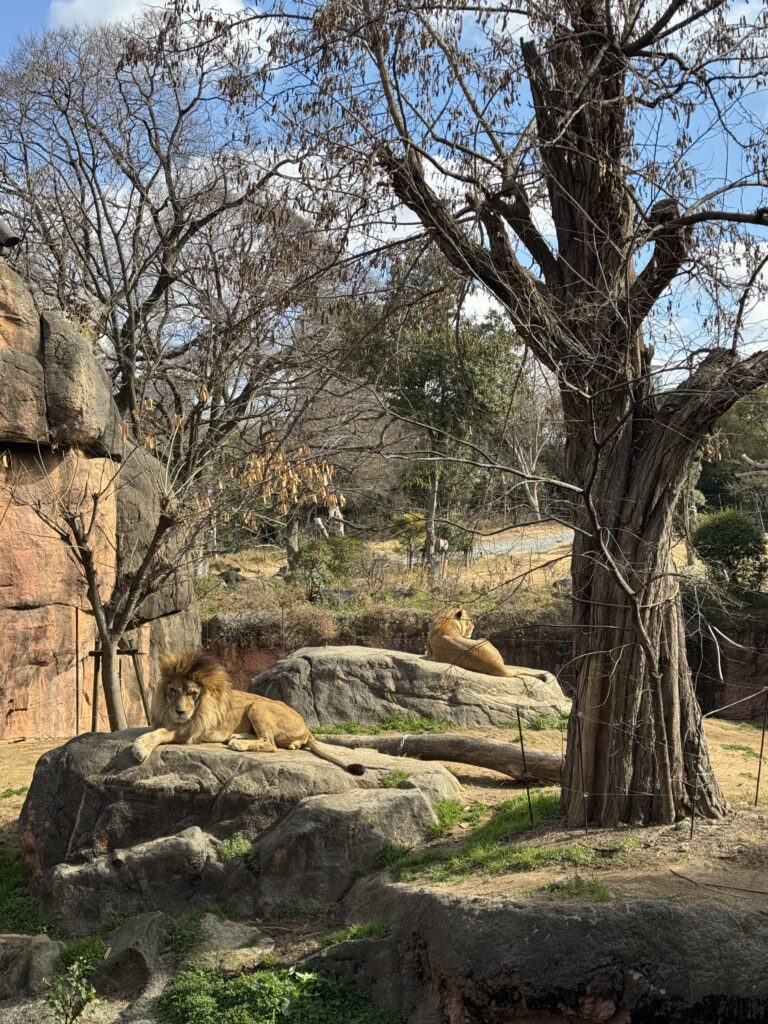
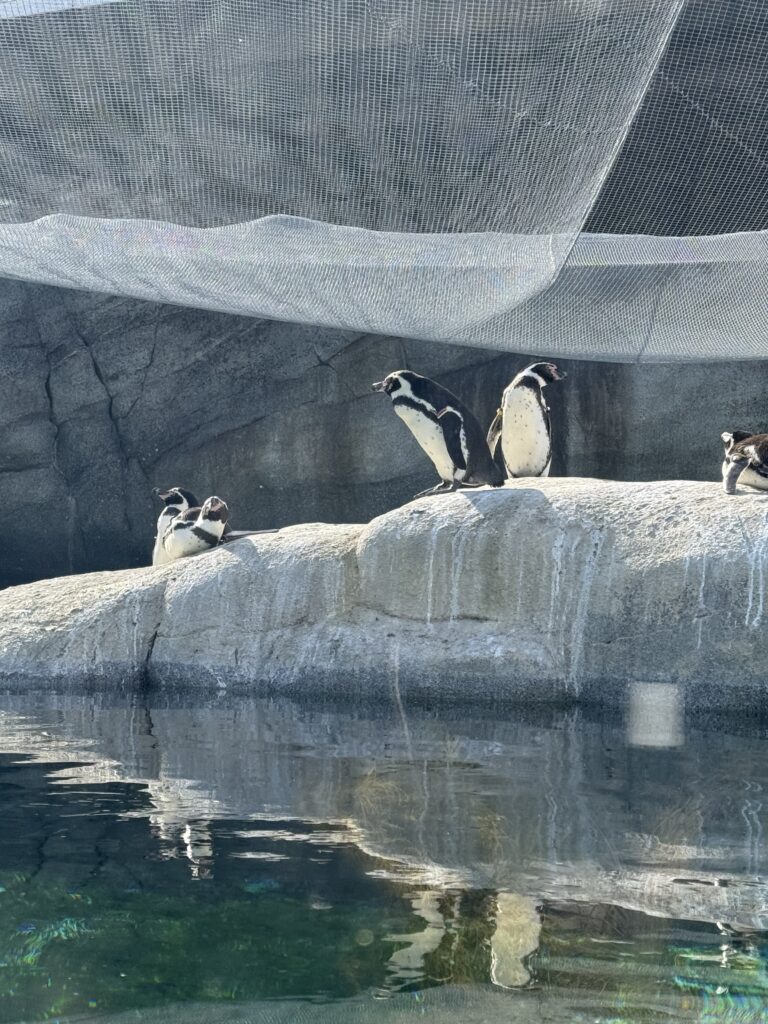
Tennoji Zoo
A compact city zoo home to a variety of animals from around the world, making it a family friendly attraction in the heart of Osaka.
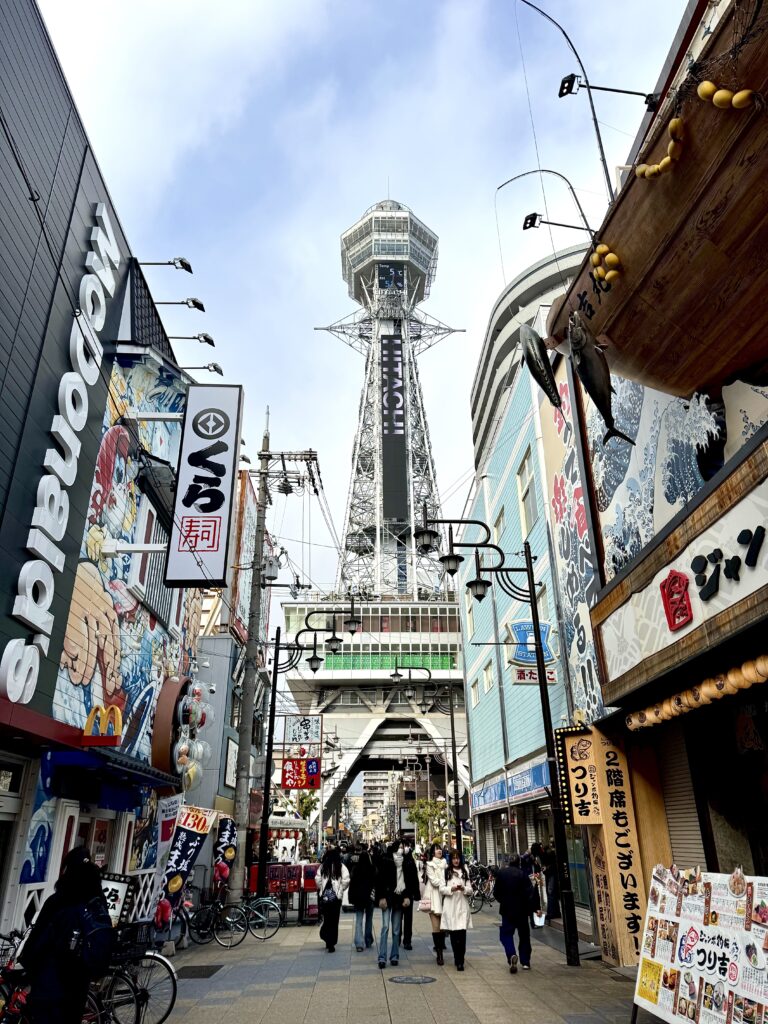
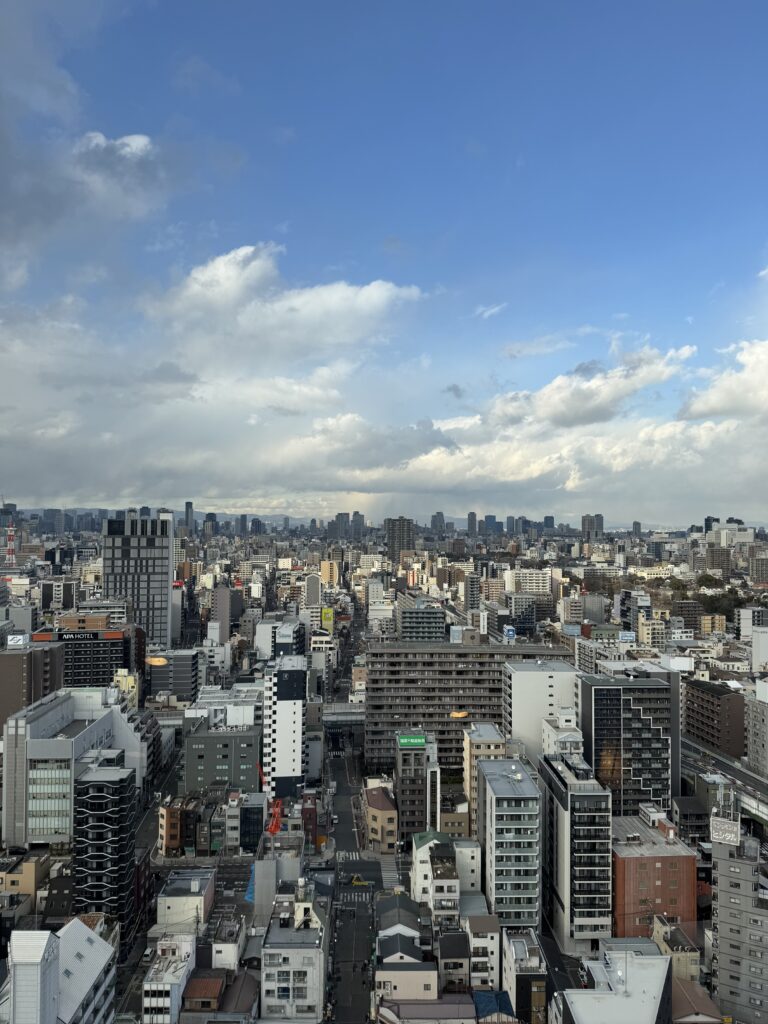
Tsutenkaku Tower
A symbol of Osaka’s retro charm, Tsutenkaku Tower offers city views and a glimpse into the nostalgic atmosphere of the Shinsekai district.
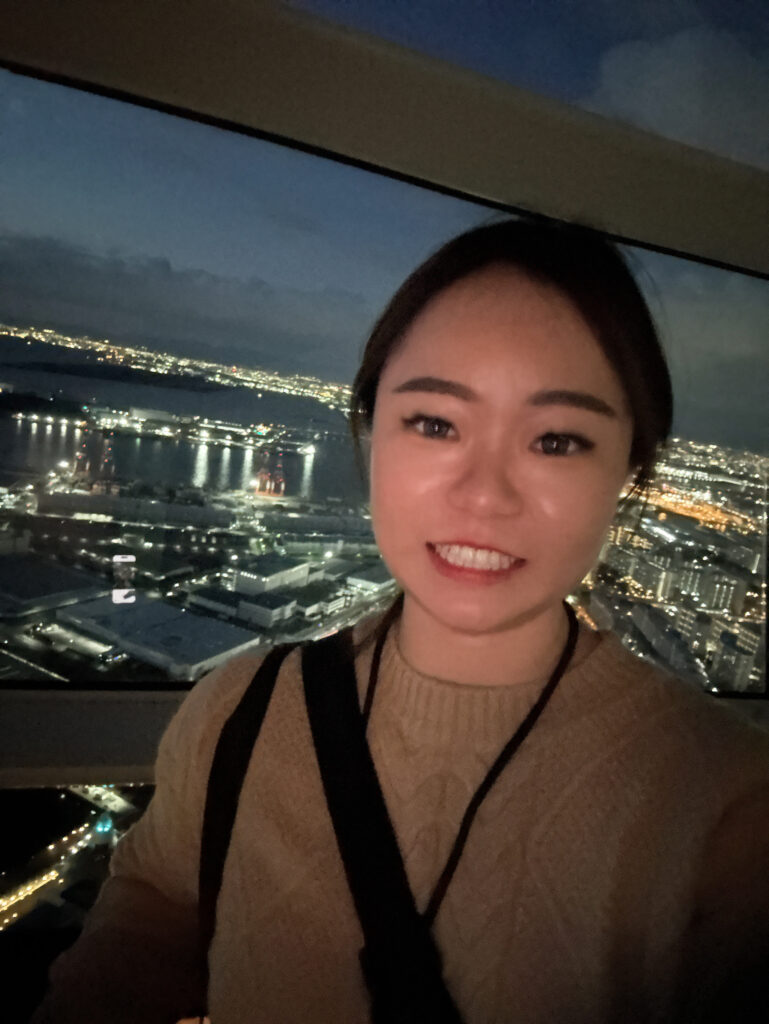
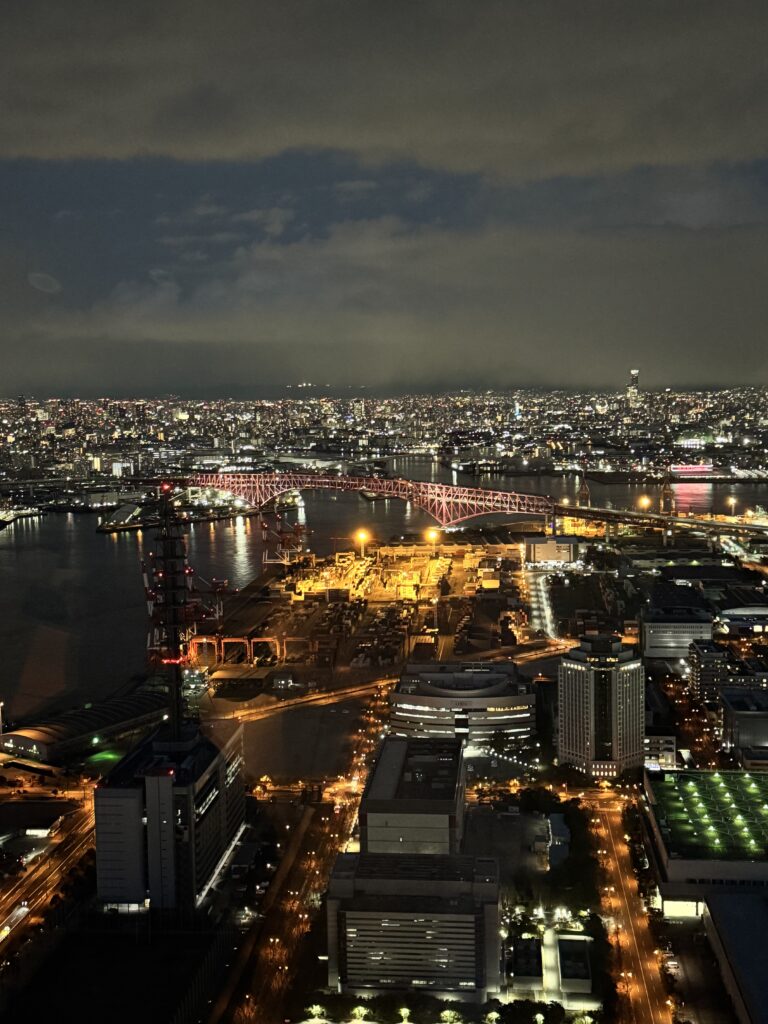
Sakishima Cosmo Tower Observatory
One of Osaka’s lesser-known observation decks, offering stunning 360 degree views of the city, Osaka Bay, and beautiful sunset scenery with fewer crowds.
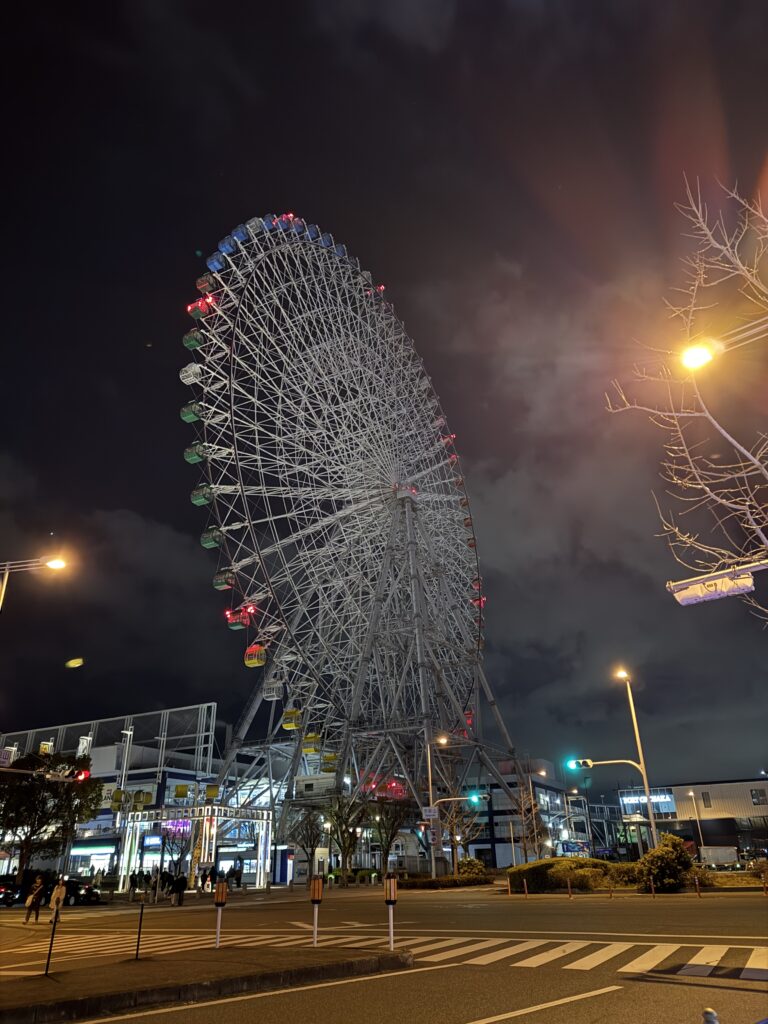
Tempozan Giant Ferris Wheel
One of the world’s largest Ferris wheels, offering panoramic views of Osaka Bay, the city skyline, and stunning sunsets from above.
Day 3 – Uji + Nara
Uji
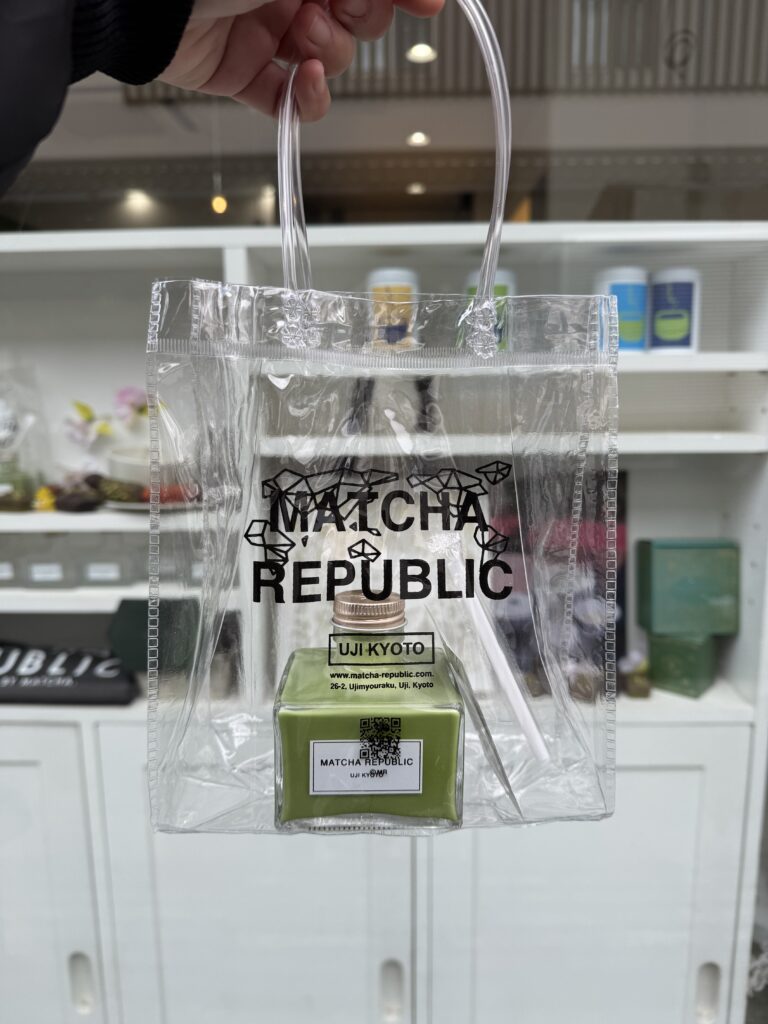
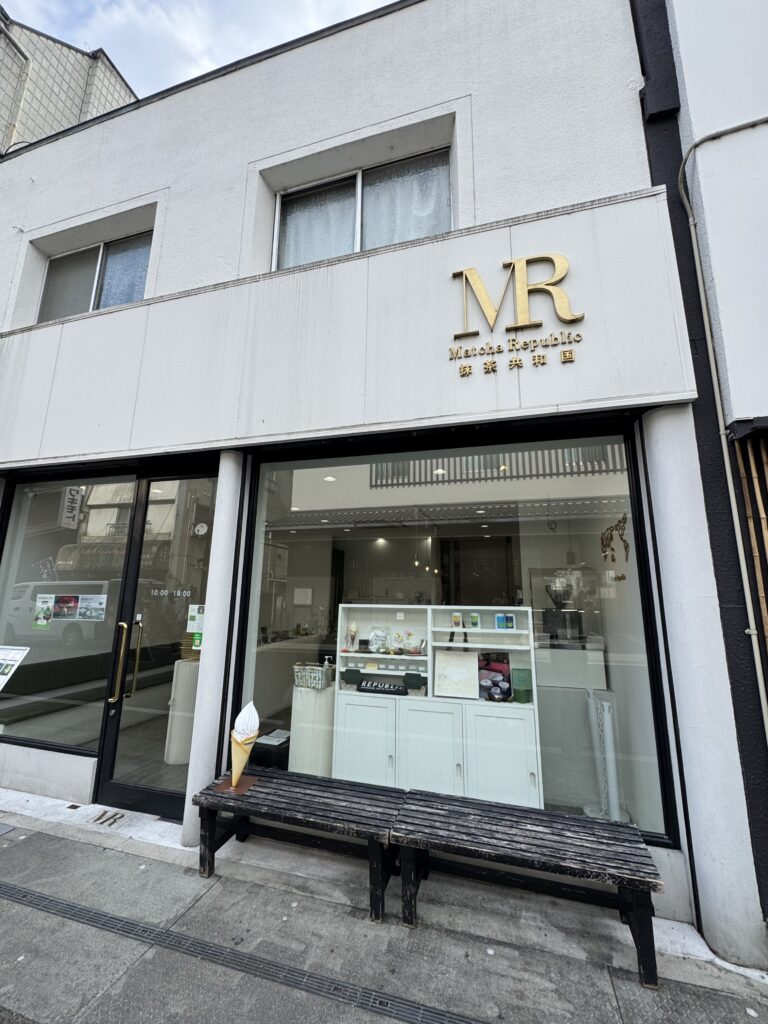
Matcha Republic
A popular matcha cafe in Uji, known for its rich matcha drinks, desserts, and photogenic bottled matcha latte.
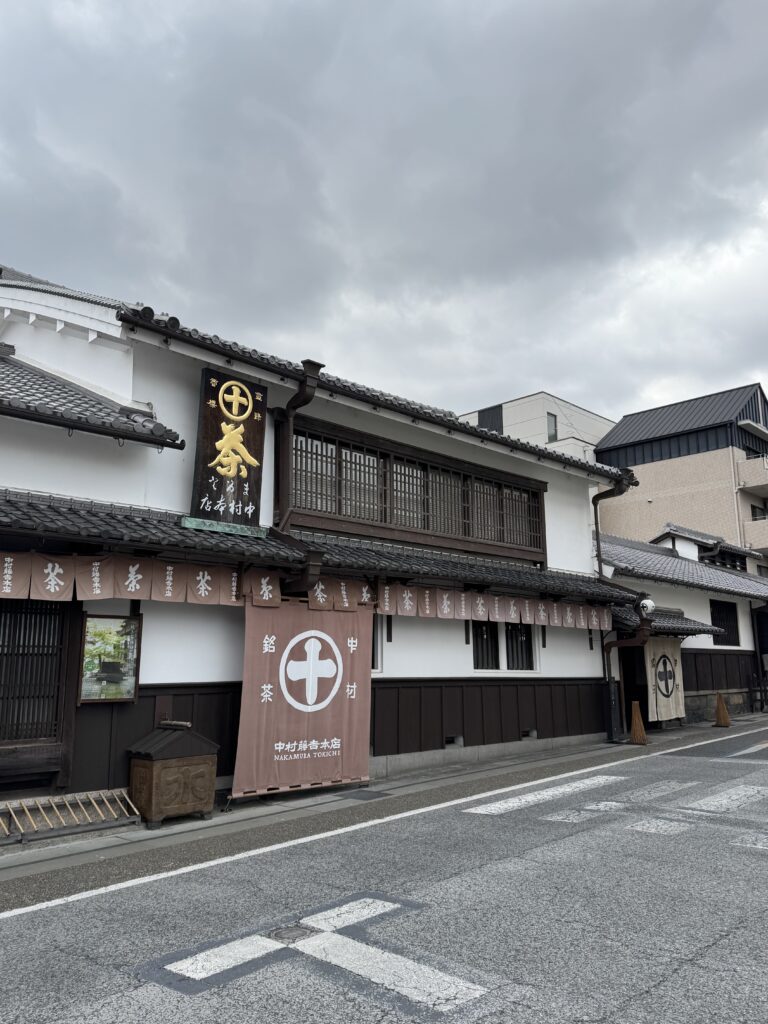
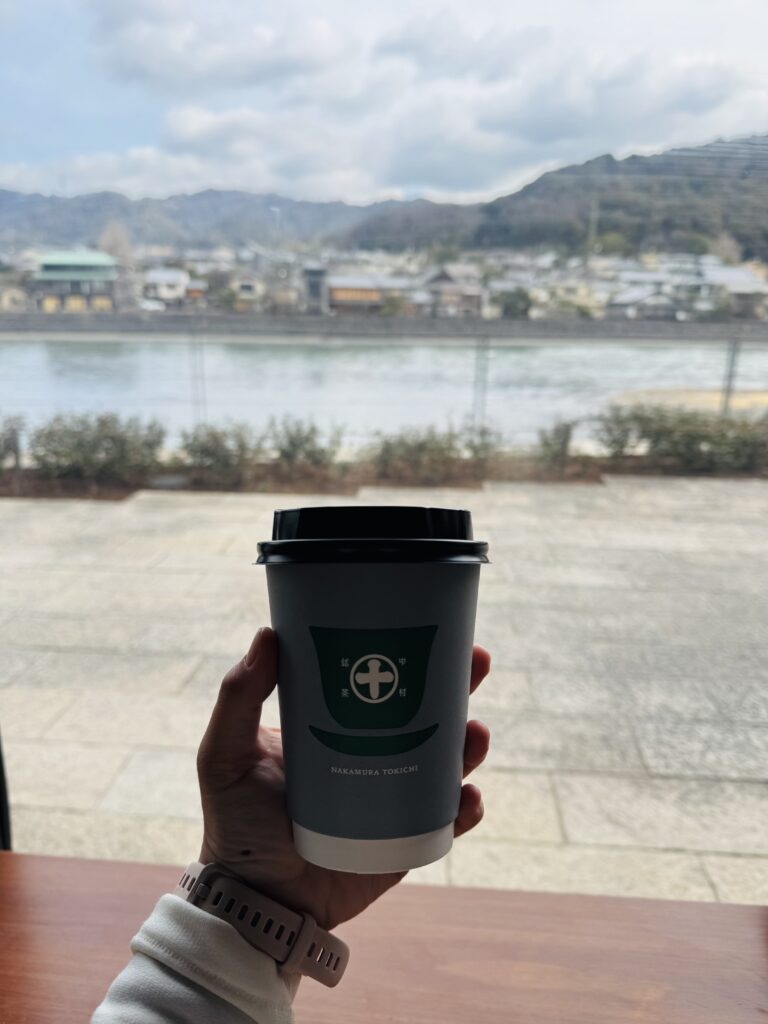
Nakamura Tokichi Honten
One of Uji’s most famous tea houses, serving high quality matcha desserts, parfaits, and traditional Japanese tea in a historic setting.
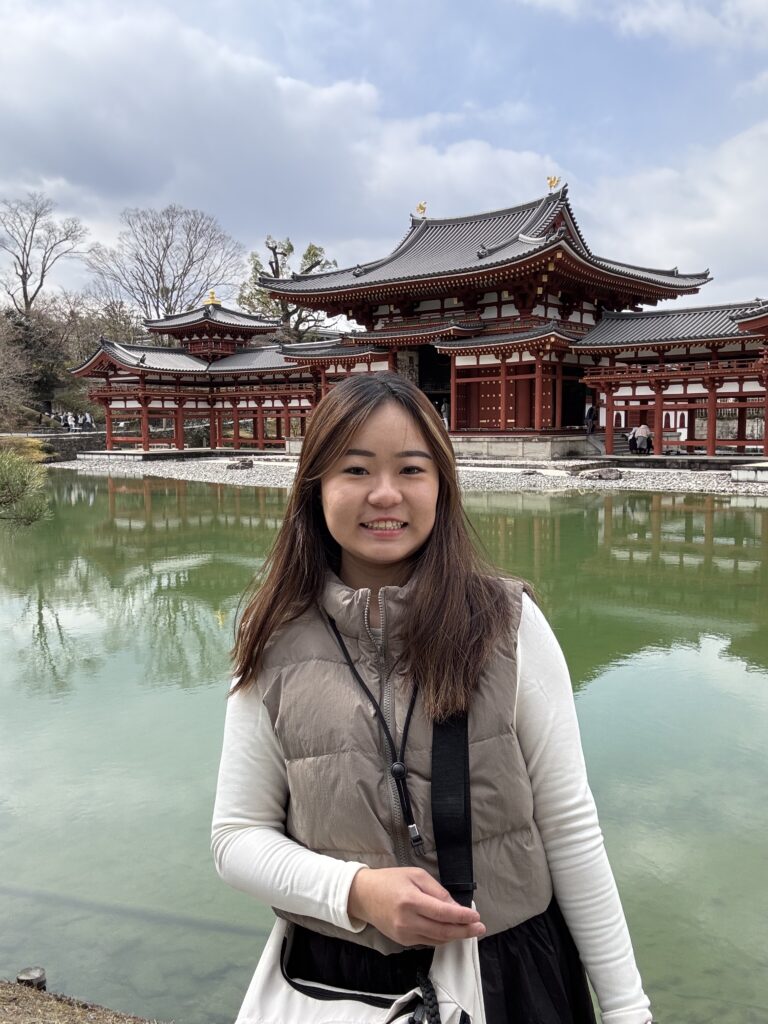
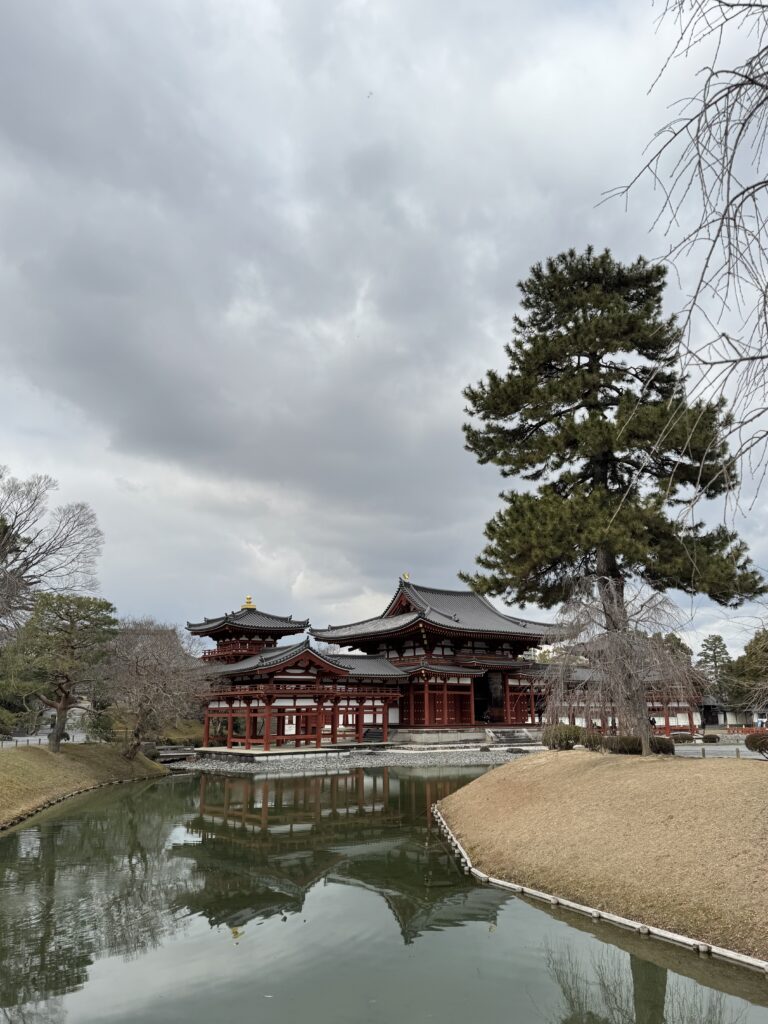
Byodo-in Temple
A UNESCO World Heritage Site famous for its stunning Phoenix Hall, which is featured on Japan’s 10-yen coin.
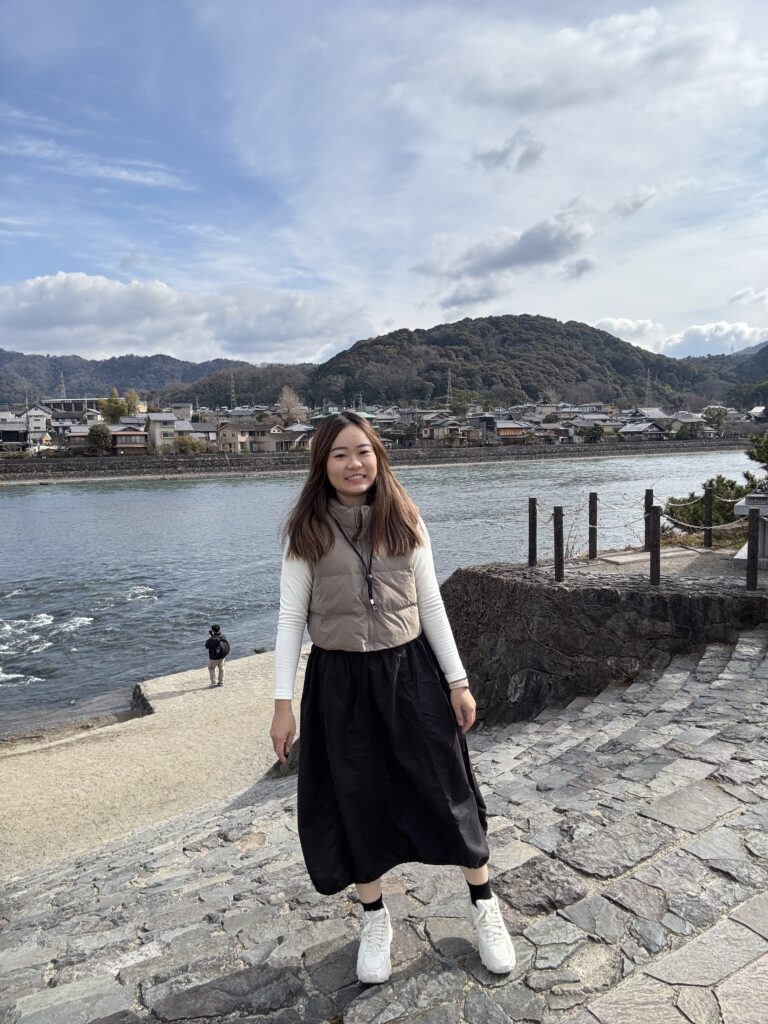
Uji River
A scenic river flowing through Uji, perfect for a relaxing stroll while enjoying views of bridges, temples, and seasonal scenery.
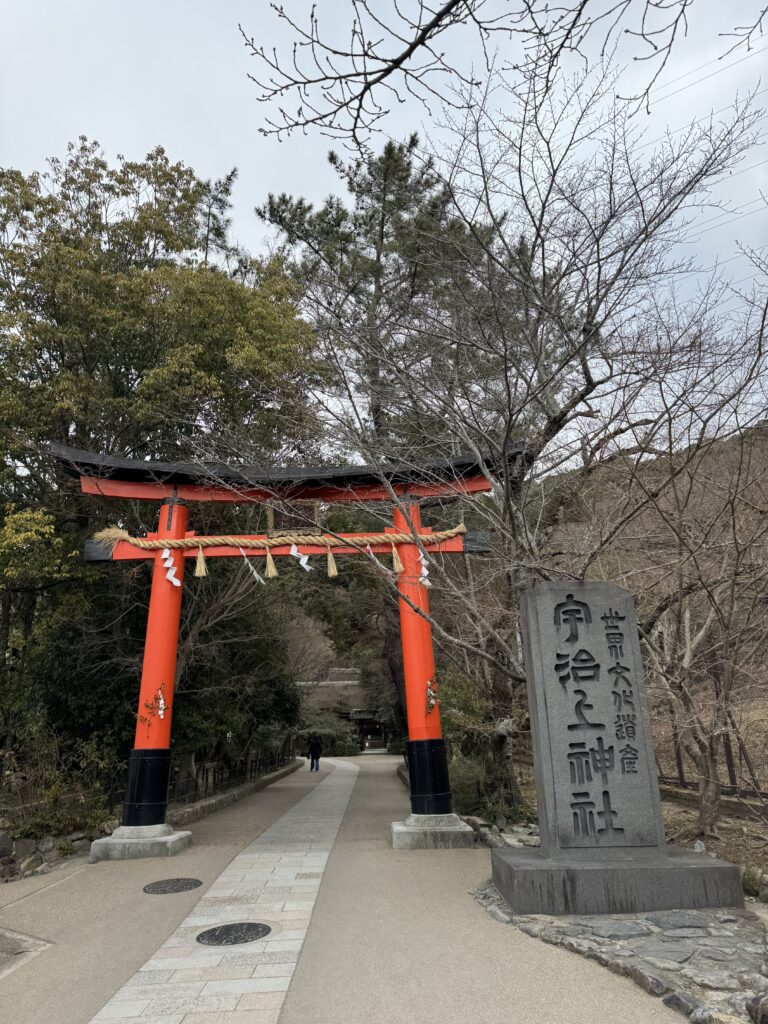
Ujigami Shrine
Japan’s oldest surviving Shinto shrine and a UNESCO World Heritage Site, known for its peaceful atmosphere and historic architecture.
Nara
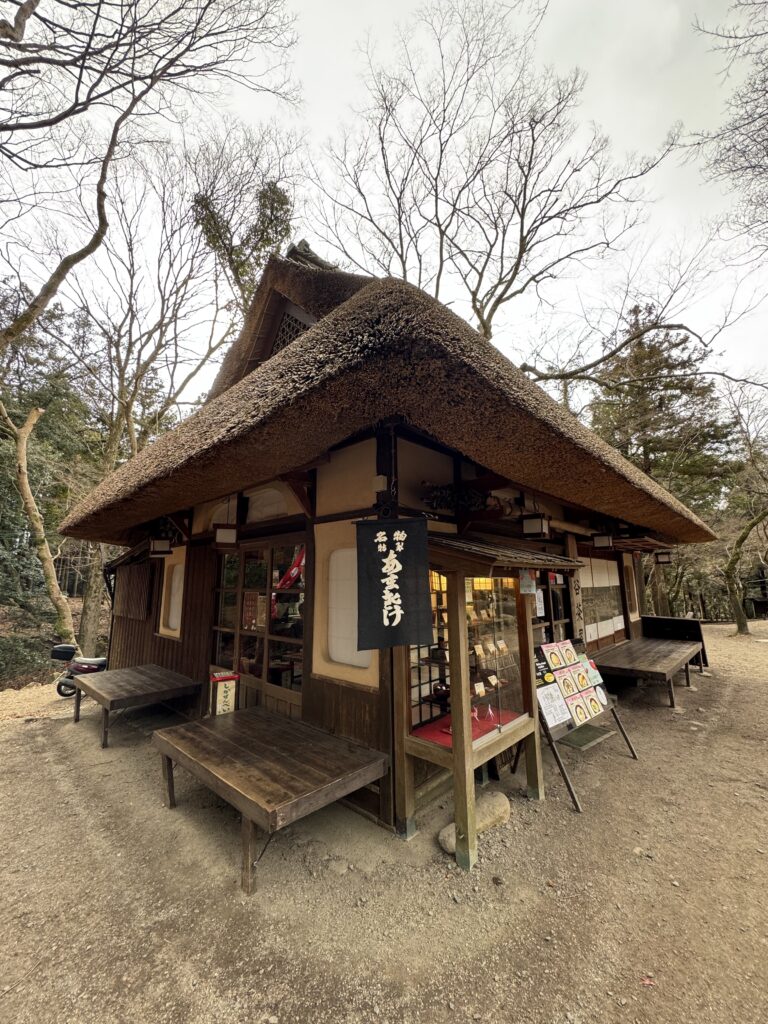
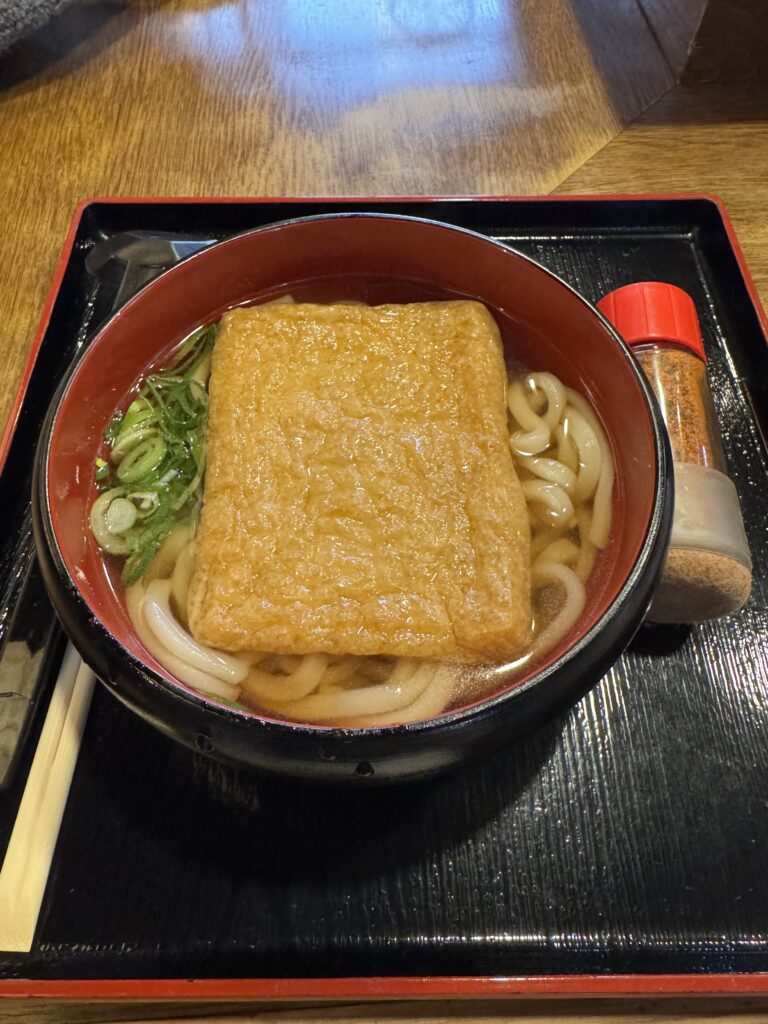
Mizuya Chaya
A traditional teahouse in Nara Park serving Japanese set meals and noodles, making it a great spot to relax in nature.
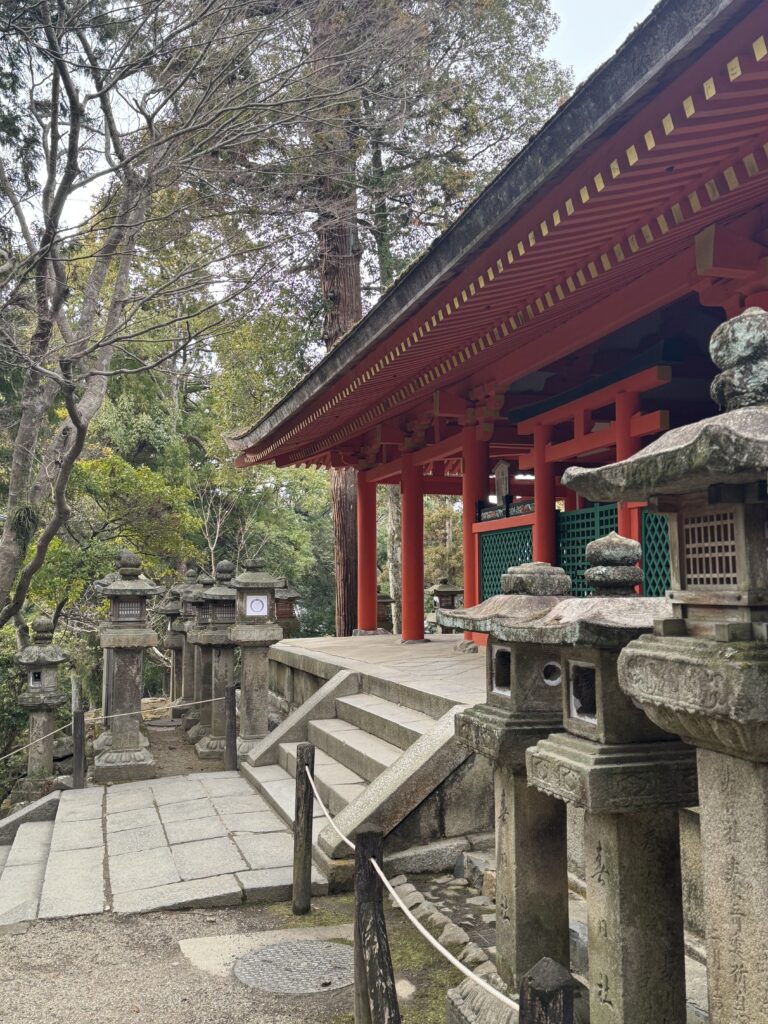
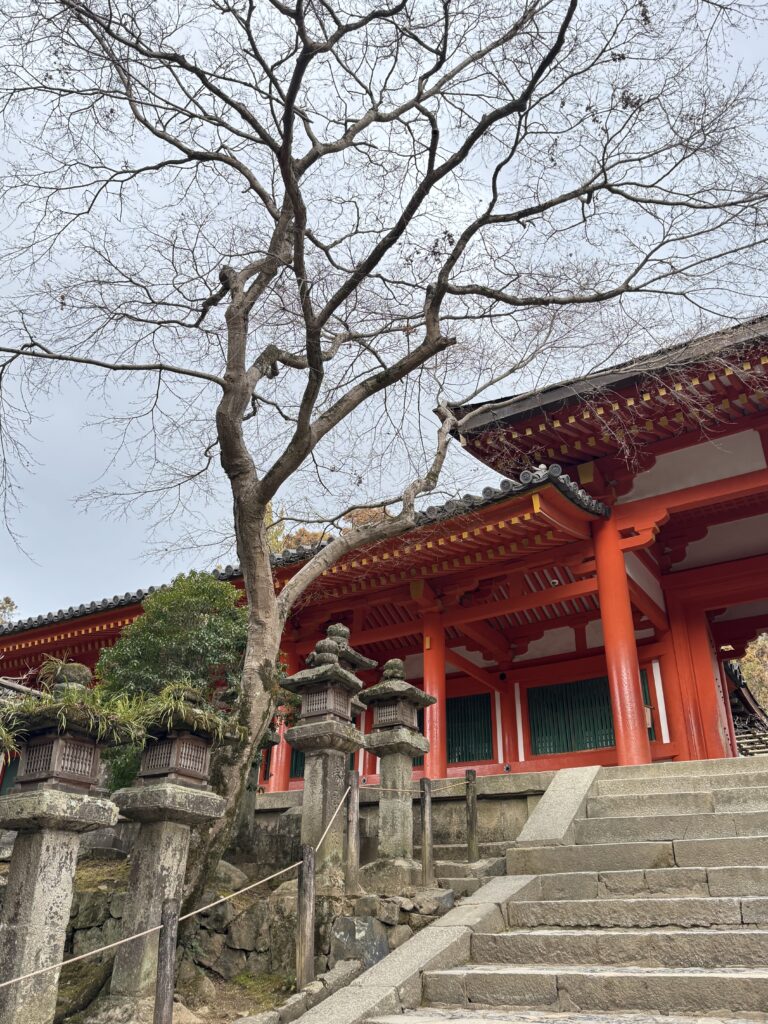
Kasuga Taisha Shrine
One of Nara’s most important shrines, famous for its thousands of stone and bronze lanterns set among a beautiful forest backdrop.
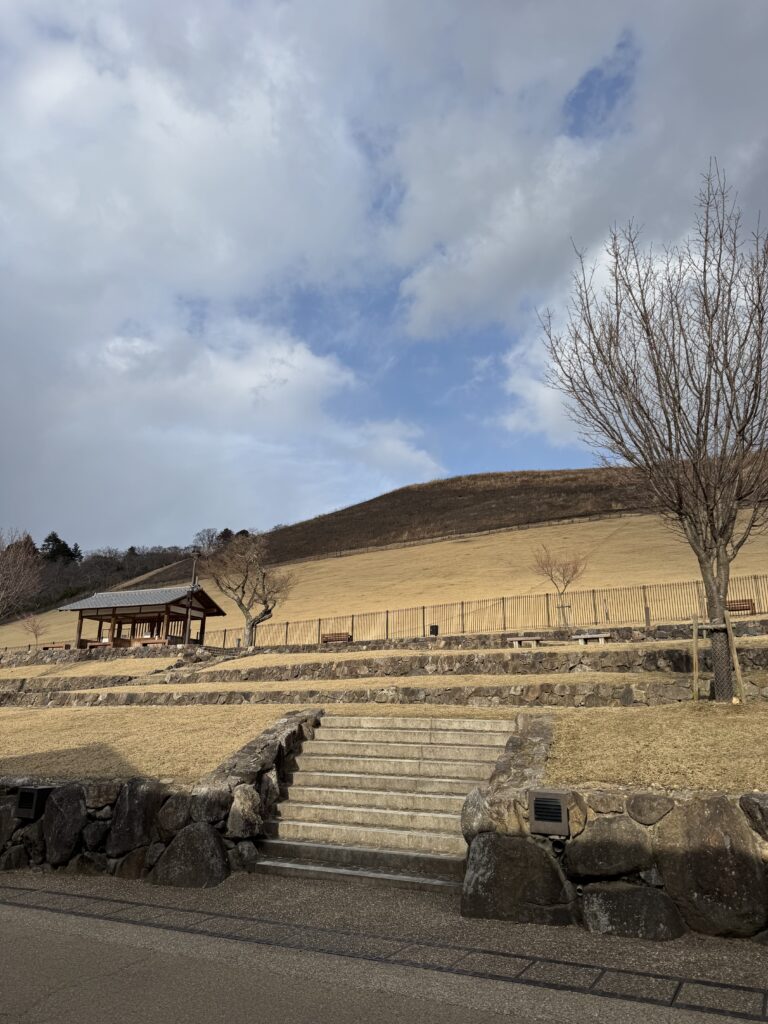
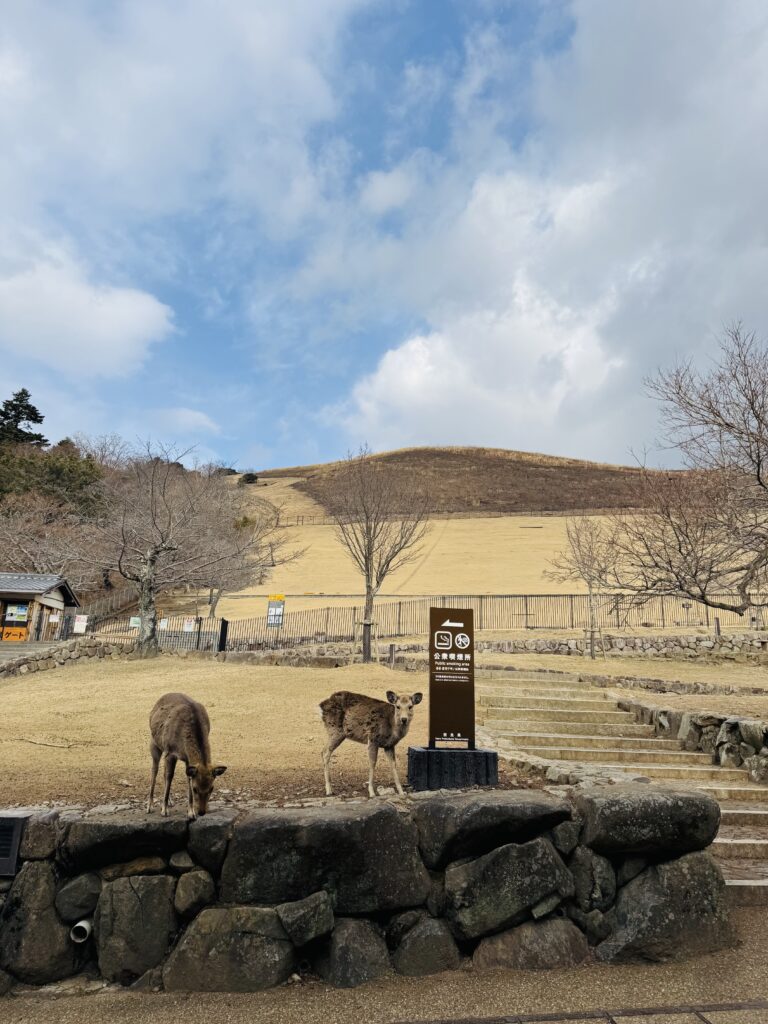
Mount Wakakusa
A gentle hill offering panoramic views of Nara City, especially beautiful at sunset and during cherry blossom season.
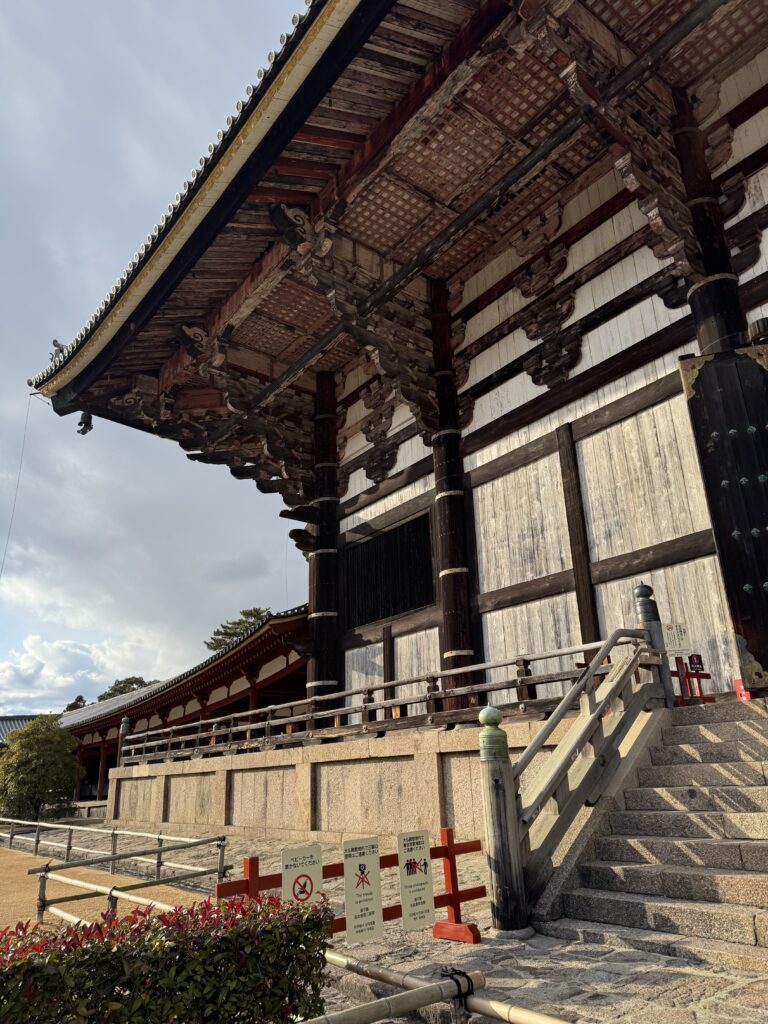
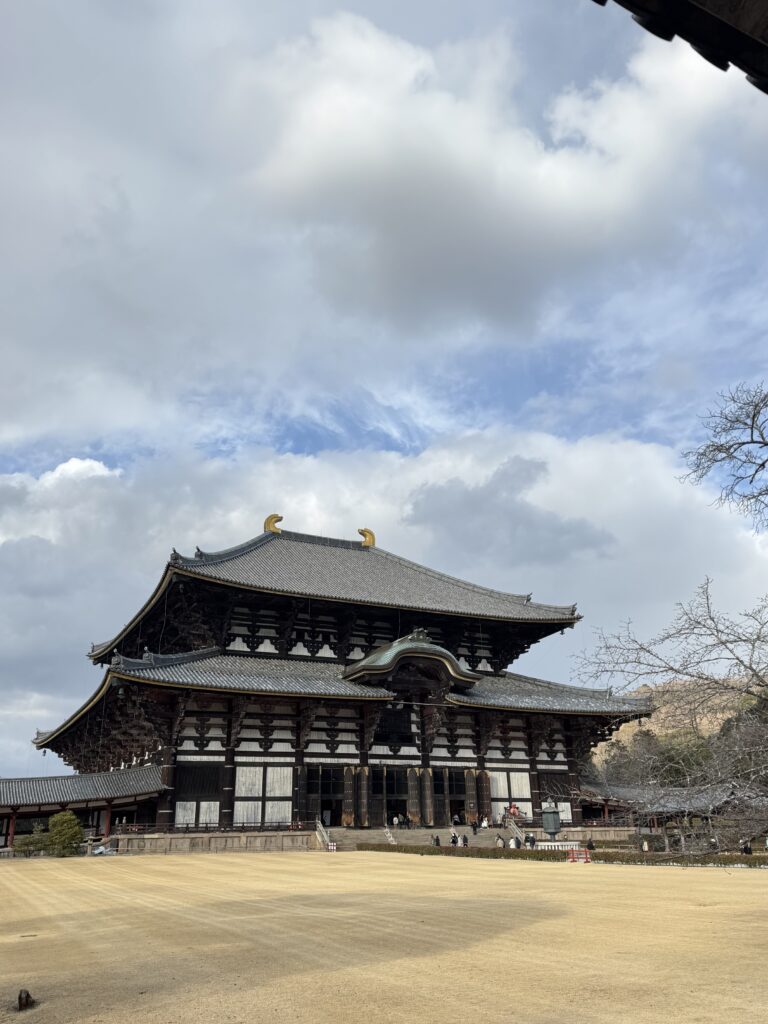
Todai-ji Temple
One of Japan’s most famous temples, home to the Great Buddha and one of the world’s largest wooden buildings.
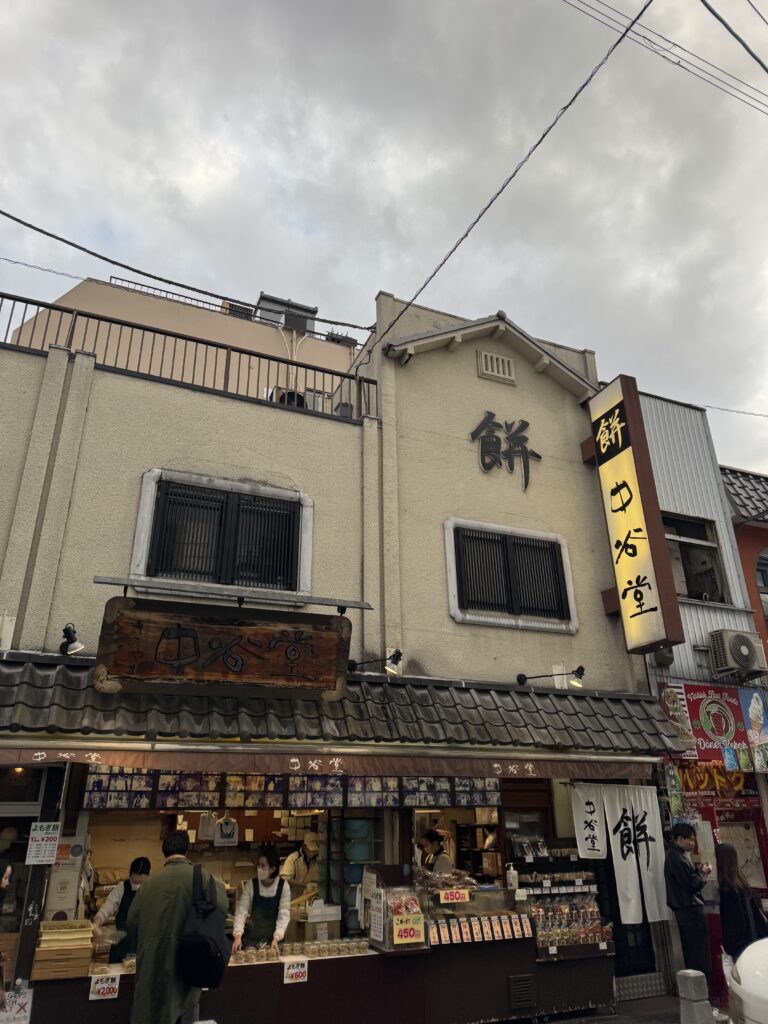
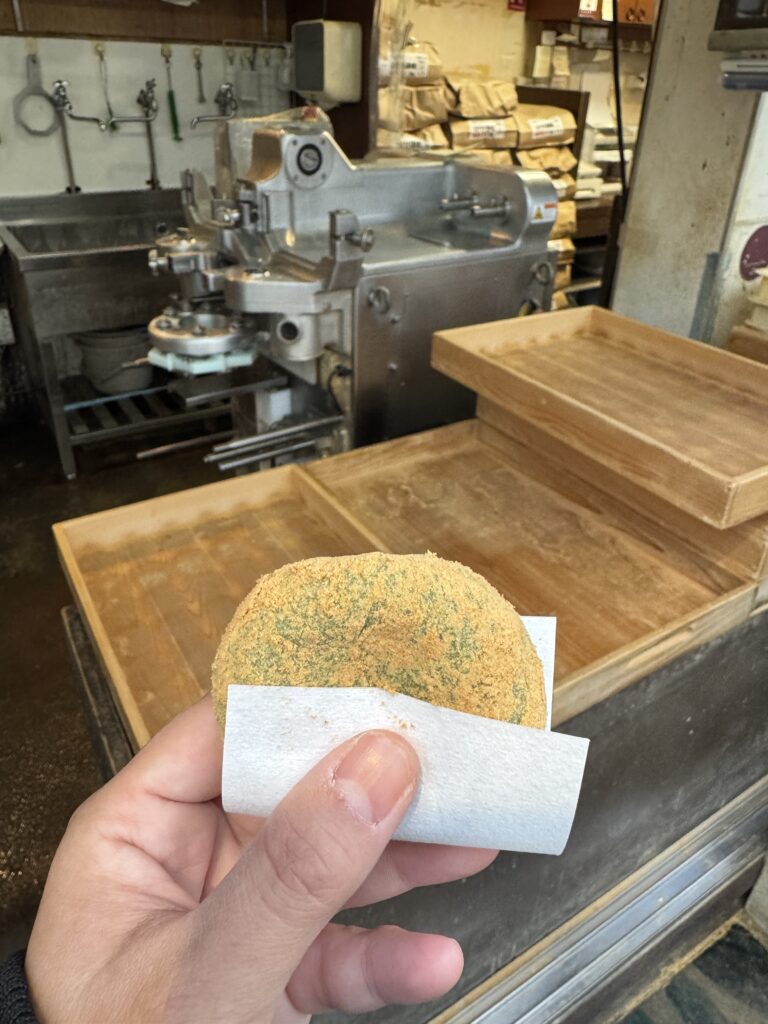
Nakatanidou
A must visit mochi shop in Nara, famous for its freshly made yomogi (mugwort) mochi with sweet red bean filling.
Day 4 – Kyoto
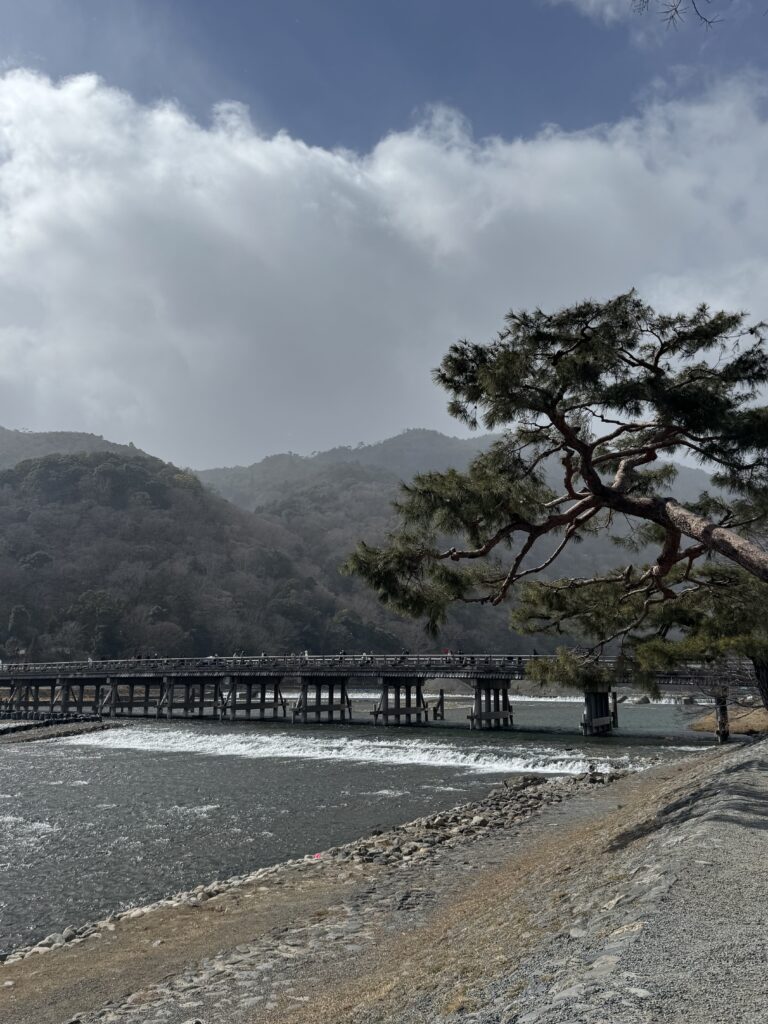
Togetsukyo Bridge
The iconic symbol of Arashiyama, offering beautiful views of the surrounding mountains and river, especially during cherry blossom and autumn seasons.
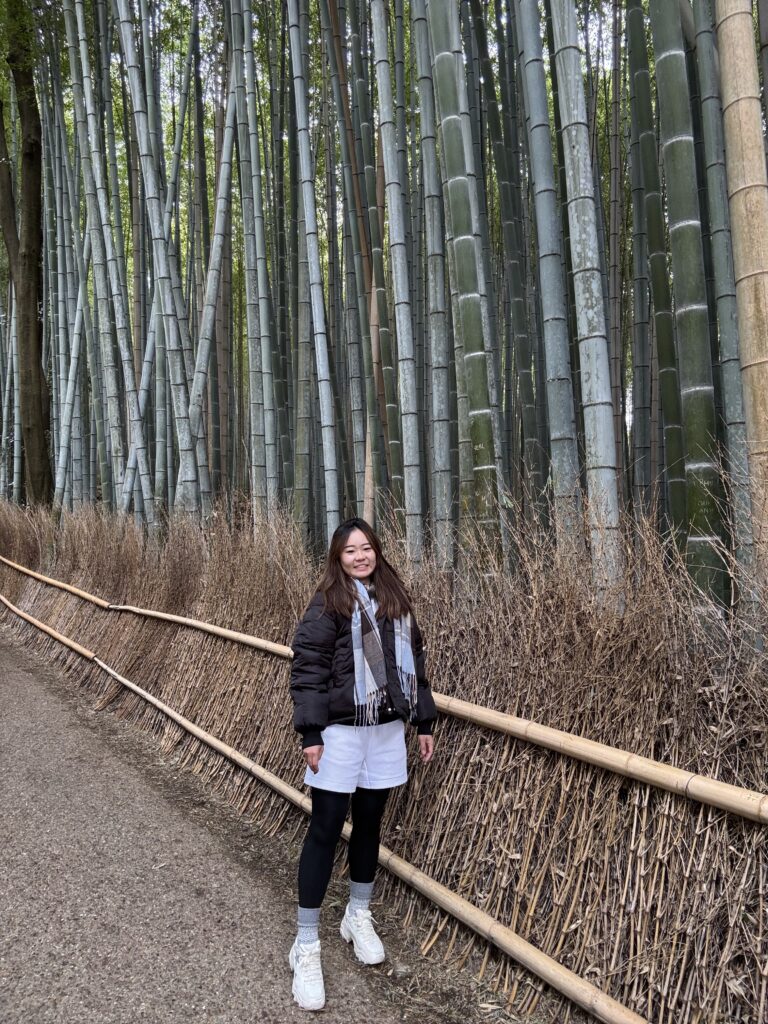
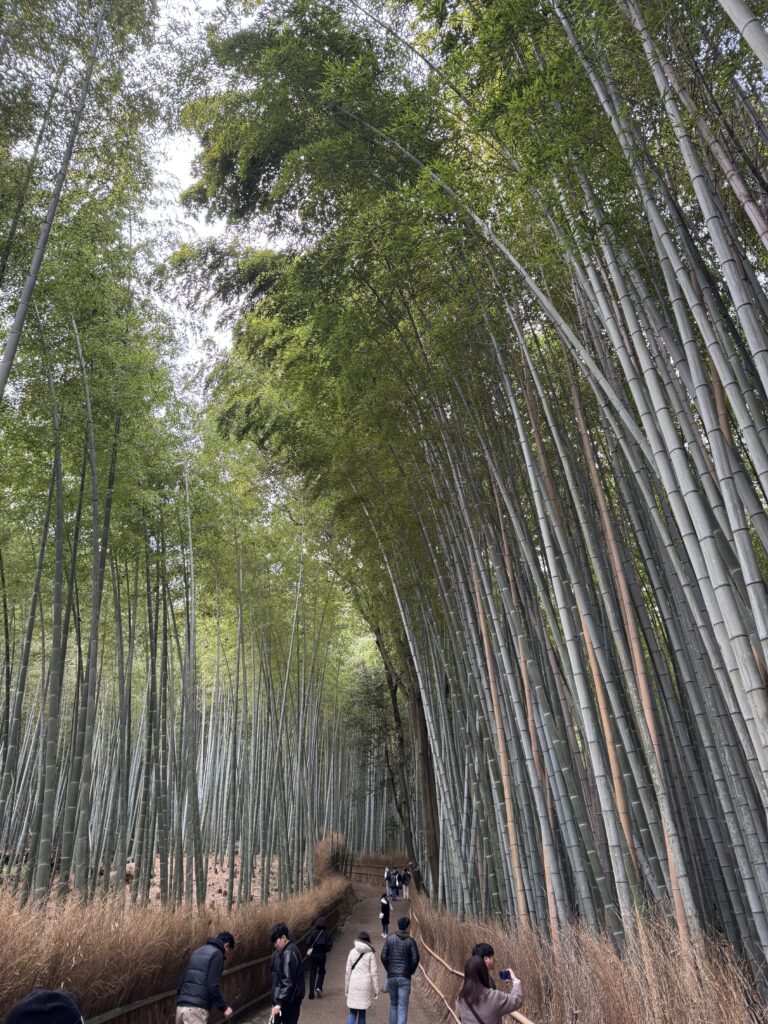
Arashiyama Bamboo Grove
One of Kyoto’s most famous sights, featuring a scenic pathway lined with towering bamboo stalks that create a peaceful and unique atmosphere.
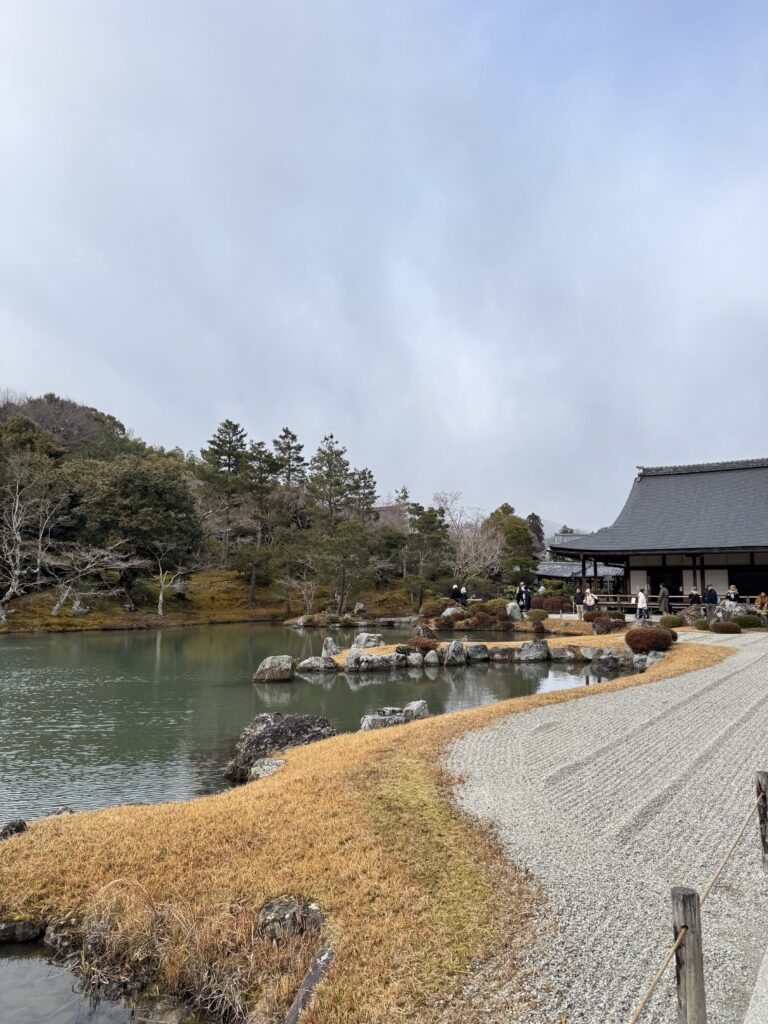
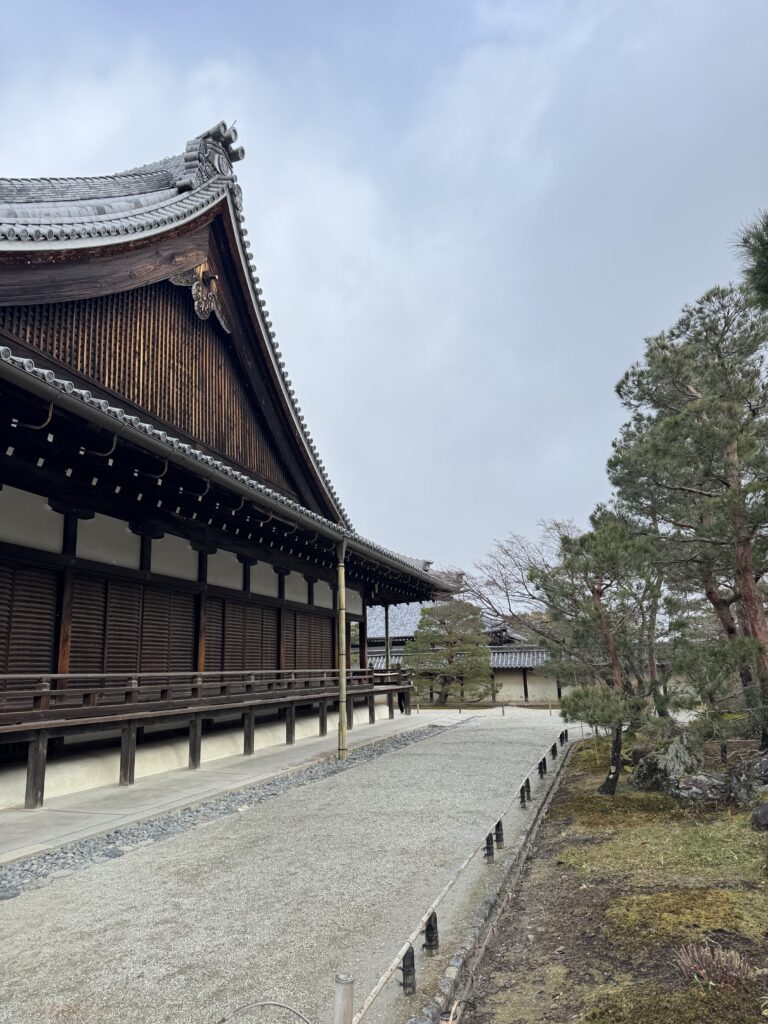
Tenryu-ji Temple
A UNESCO World Heritage Site known for its beautiful Zen garden, historic temple buildings, and views of the Arashiyama mountains.
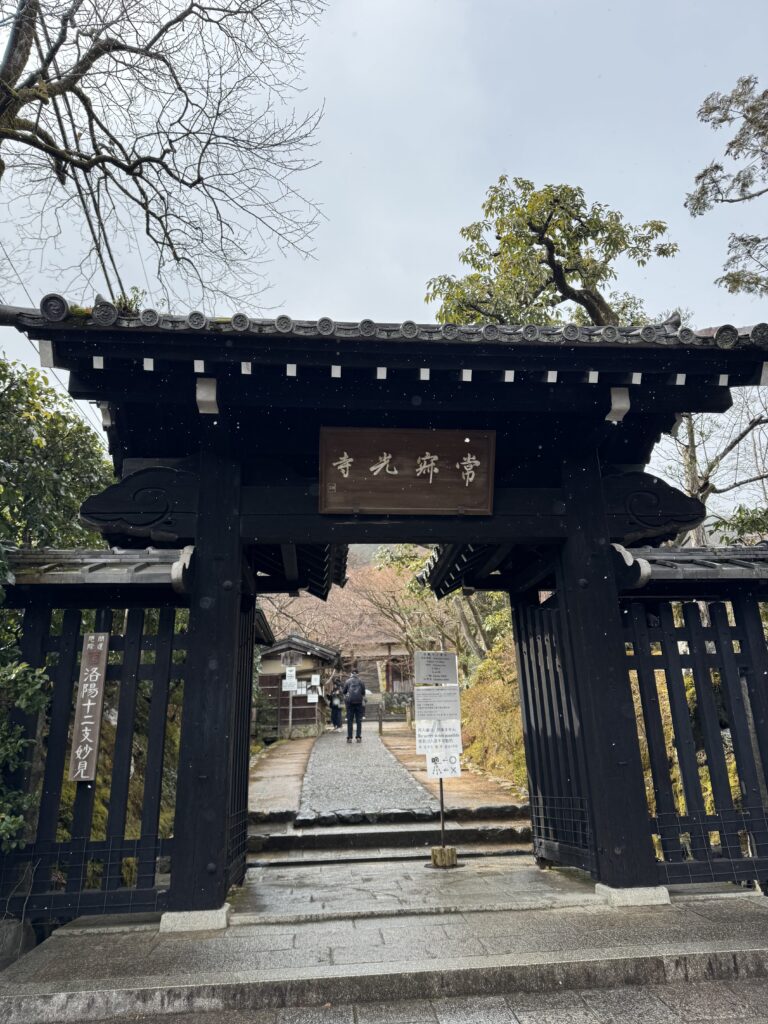
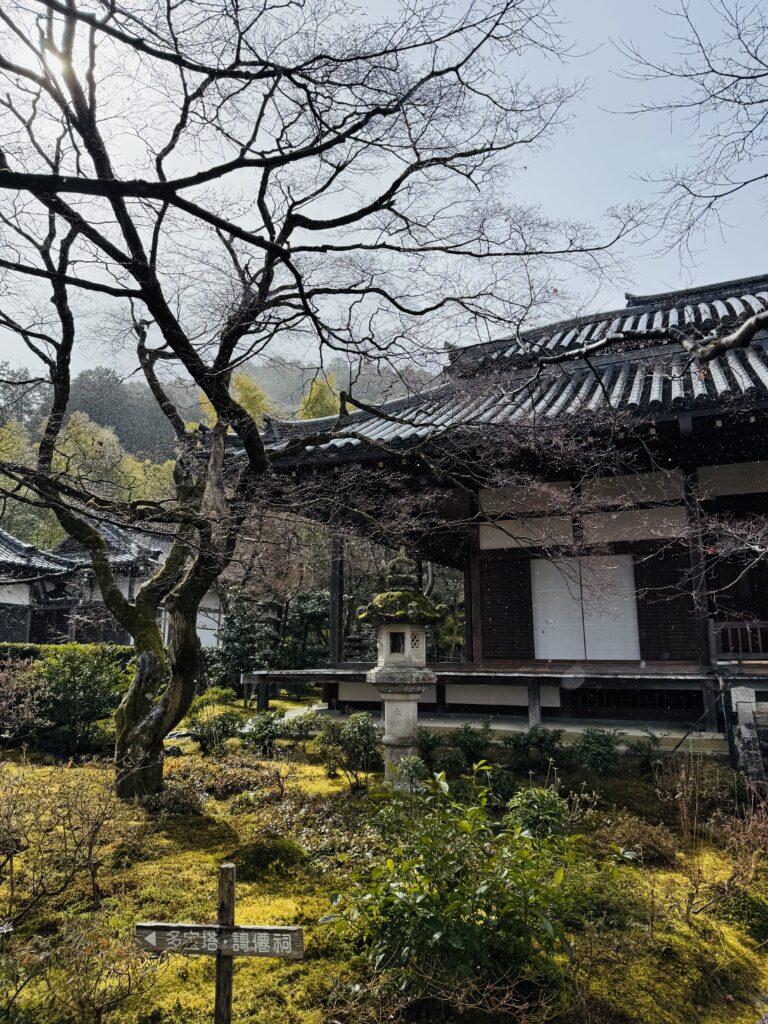
Jojakkoji Temple
A peaceful hillside temple known for its serene atmosphere, moss-covered grounds, and stunning seasonal views, especially during autumn.
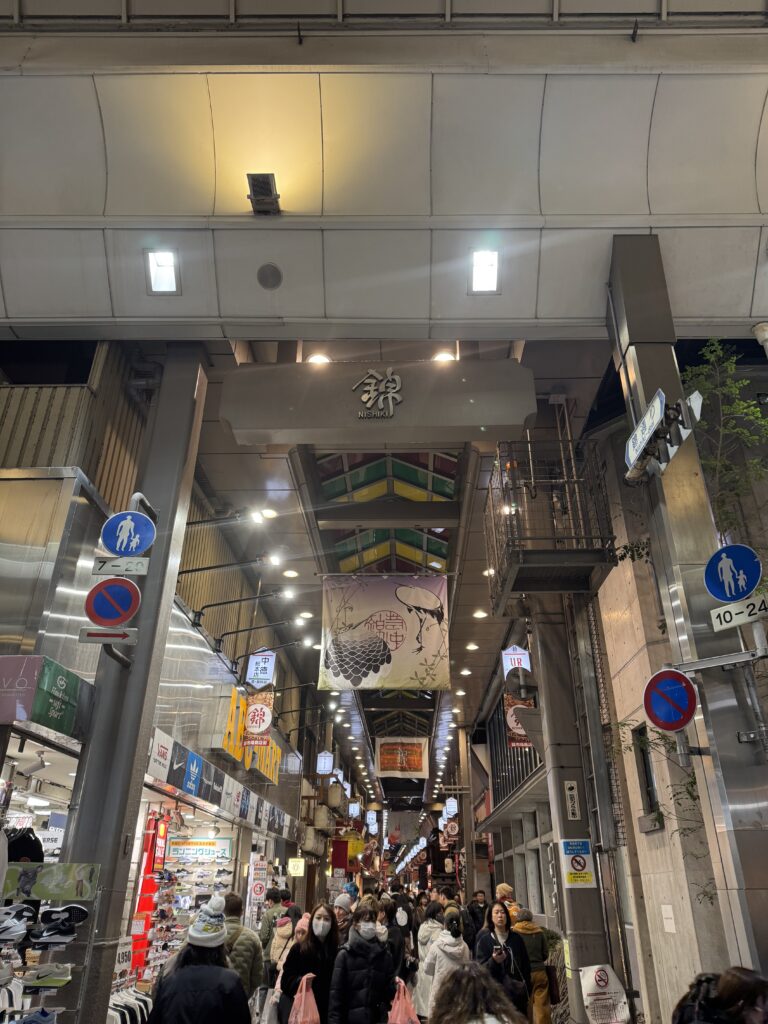
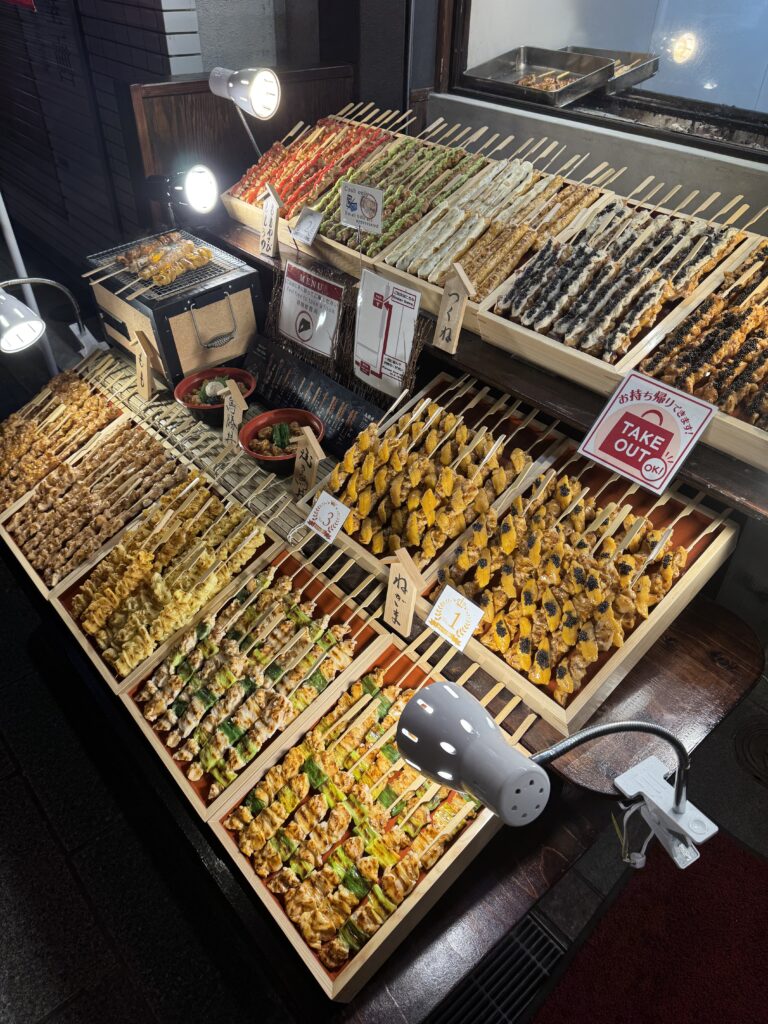
Nishiki Market
Known as “Kyoto’s Kitchen,” this lively market is filled with local food stalls, traditional snacks, fresh seafood, and Kyoto specialties.
Day 5 – Kyoto
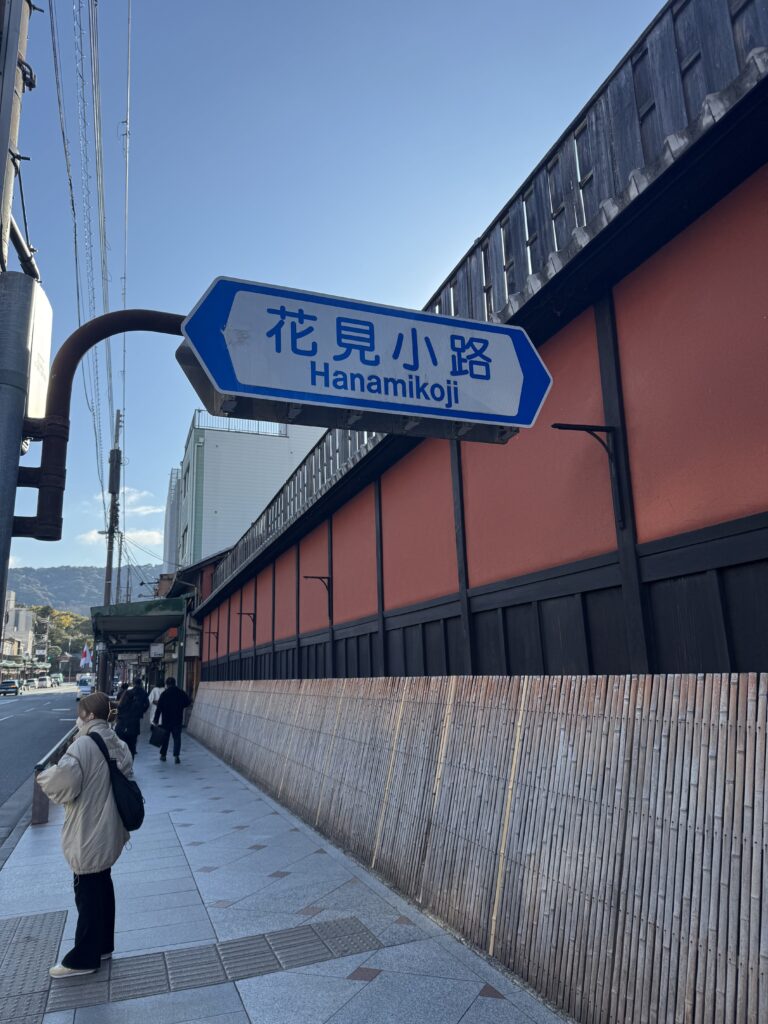
Hanamikoji Street
One of Kyoto’s most iconic streets, Hanamikoji is lined with traditional wooden machiya houses, tea houses, and restaurants. Located in the historic Gion district, it offers a glimpse into old Kyoto and is one of the best places to experience the city’s geisha culture and timeless atmosphere.
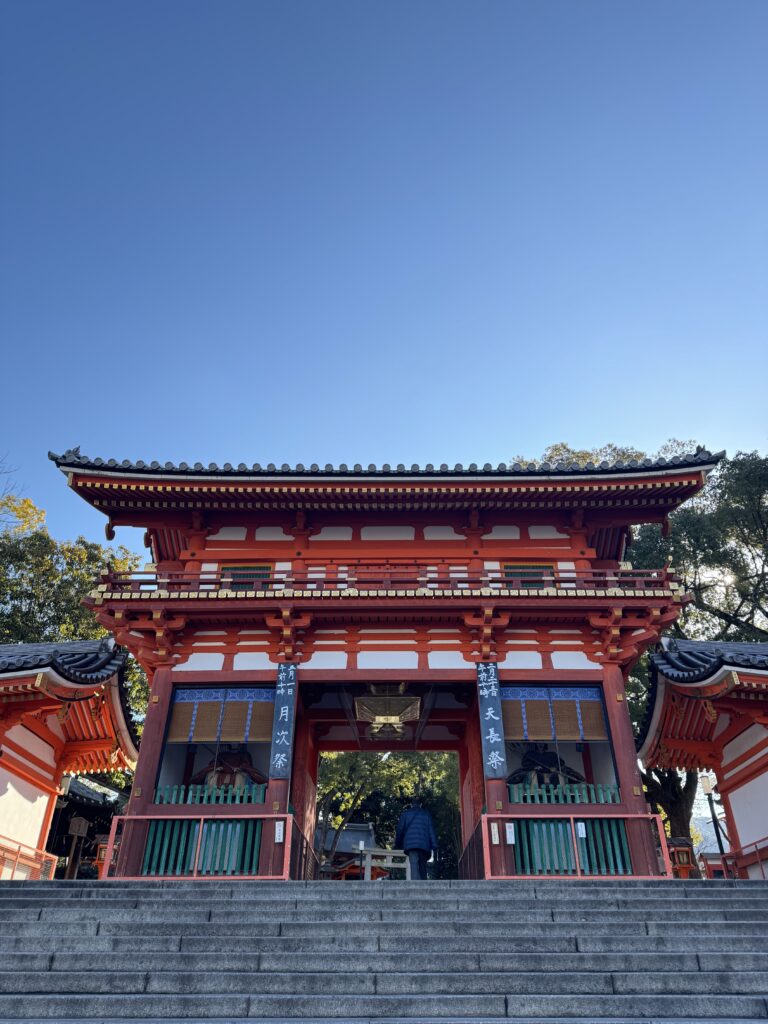
Yasaka Jinja Shrine
Located at the eastern end of Gion, Yasaka Shrine is one of Kyoto’s most famous Shinto shrines. Known for its vibrant lanterns and traditional architecture, it serves as the center of the annual Gion Matsuri festival and offers a peaceful escape in the heart of the city.
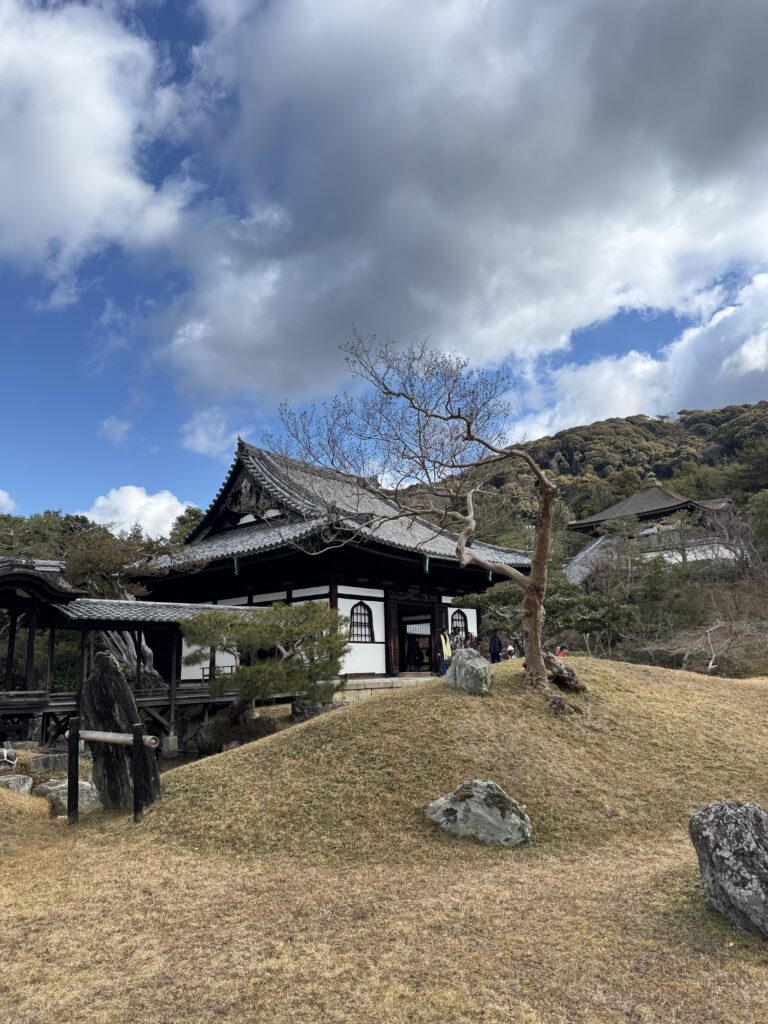
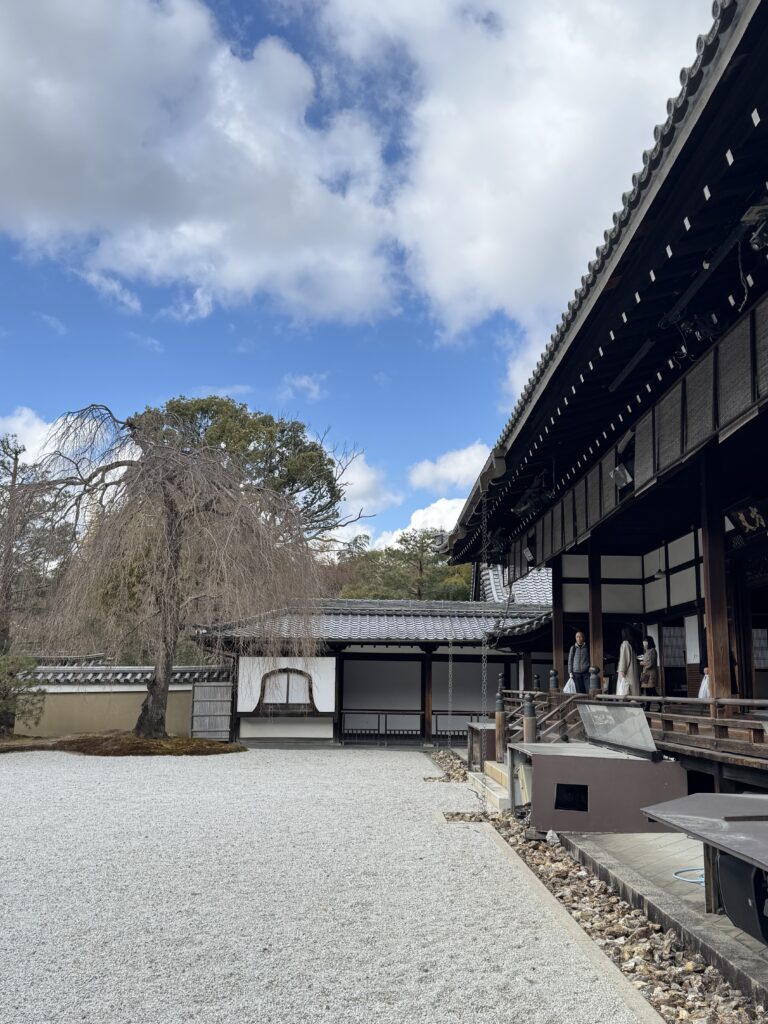
Kodaiji Temple
A beautiful Zen temple in Kyoto, it is known for its tranquil gardens, bamboo grove, and elegant traditional architecture. It offers a peaceful atmosphere and stunning seasonal scenery throughout the year.
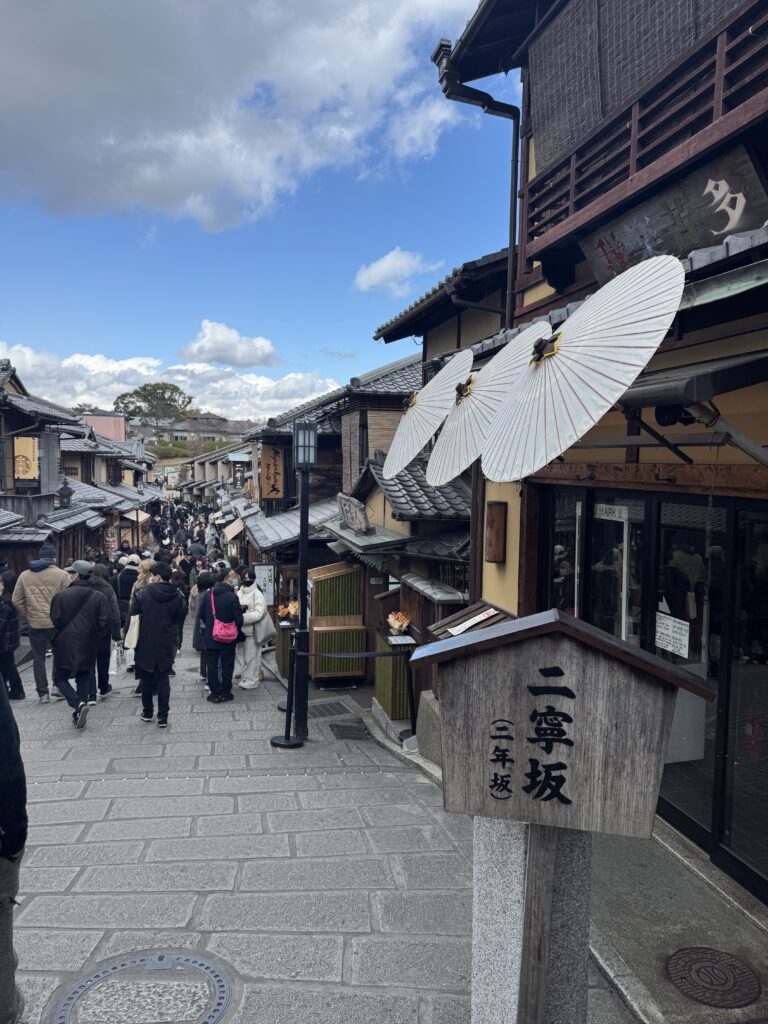
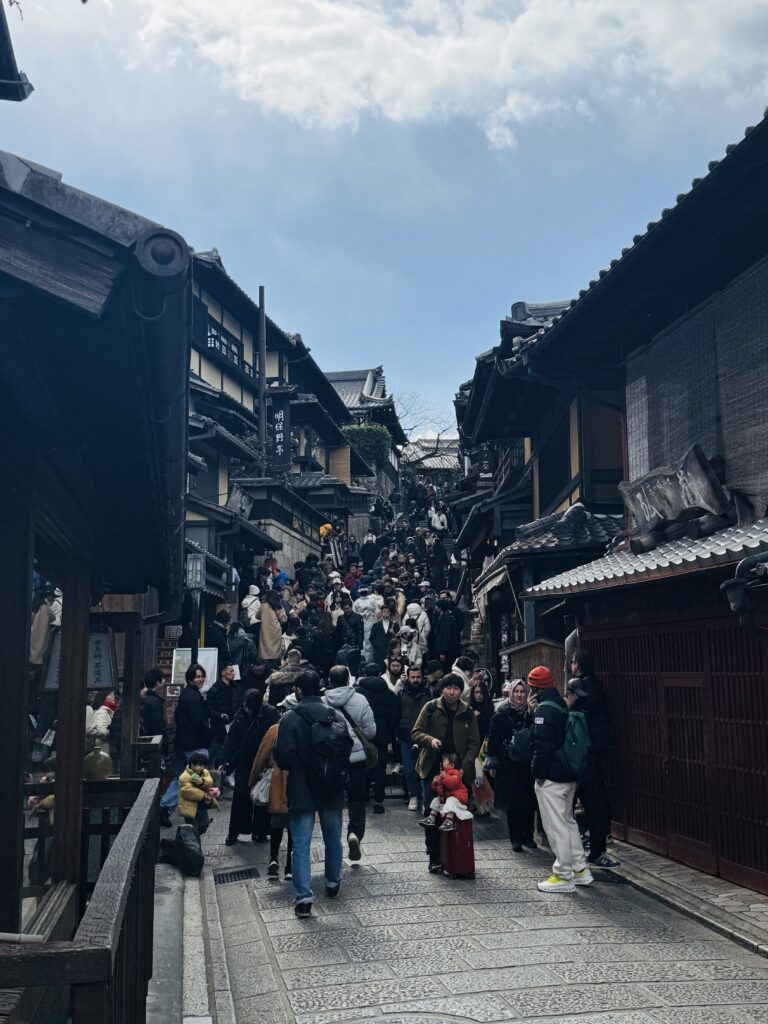
Ninenzaka & Sannenzaka
These charming historic streets are lined with traditional wooden buildings, souvenir shops, cafes, and local restaurants. Leading towards Kiyomizu-dera Temple, they offer a glimpse into the city’s old world charm.
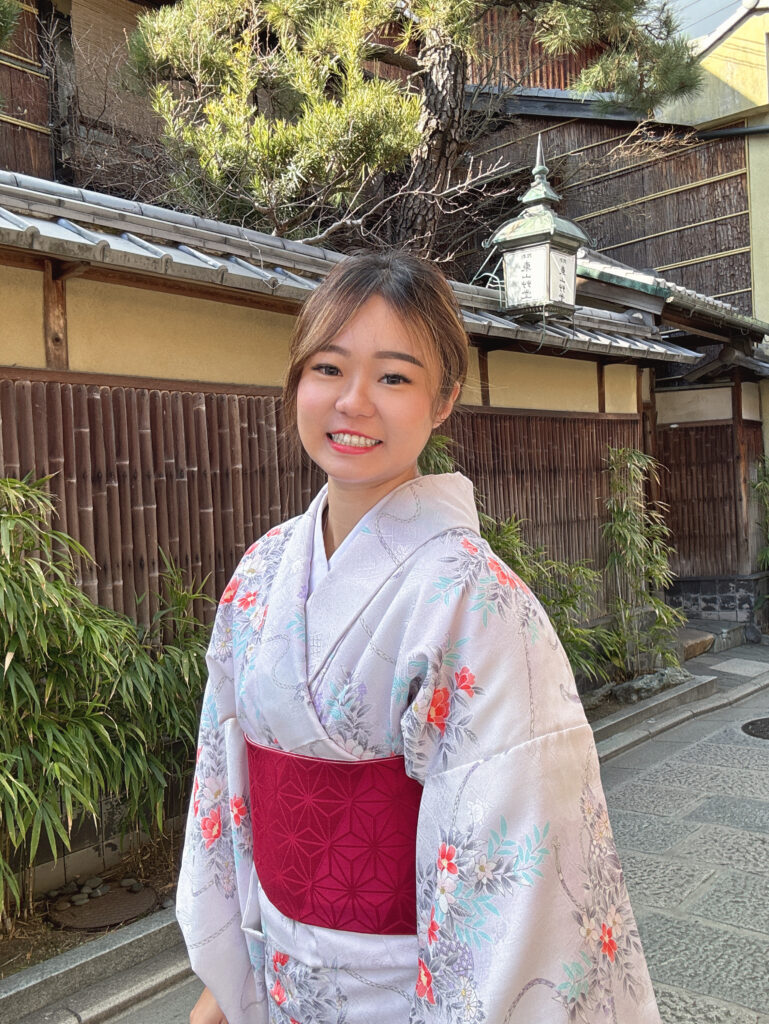
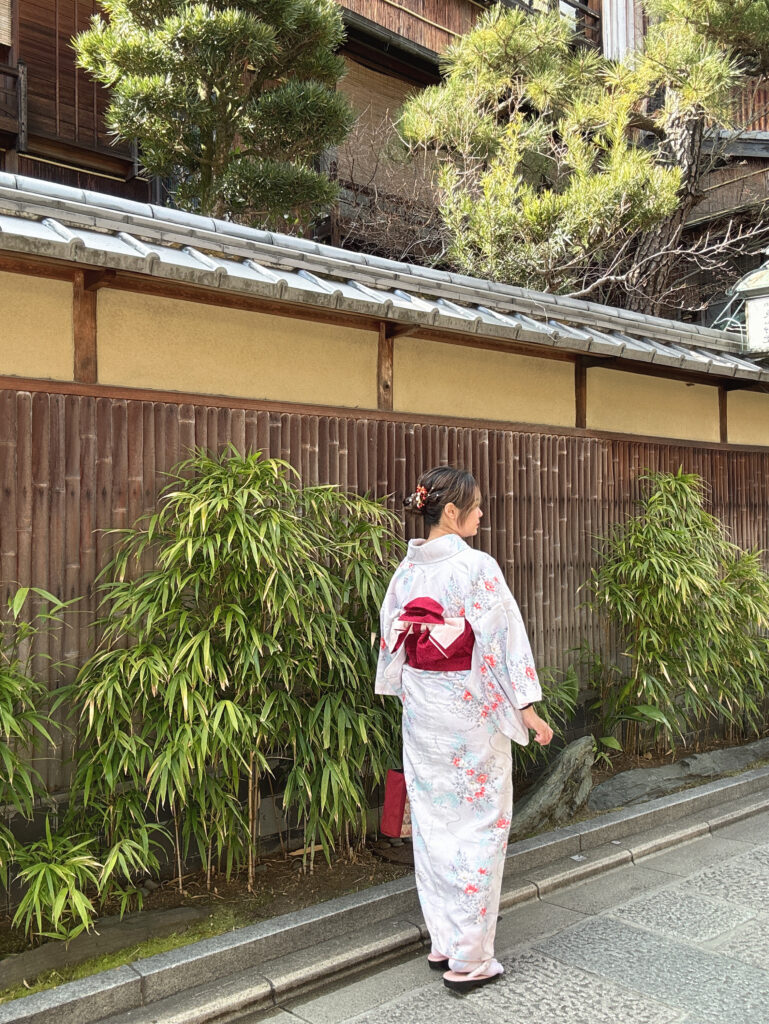
Kimono Experience
To fully immerse yourself in the atmosphere, consider renting a kimono and strolling through the historic lanes. I booked mine via Klook for a hassle free experience — you can click here for more details 🔗Grab Your Kimono Experience Here and don’t forget to use code ‘EXPLOREWITHCAI‘ for extra savings (when eligible)!
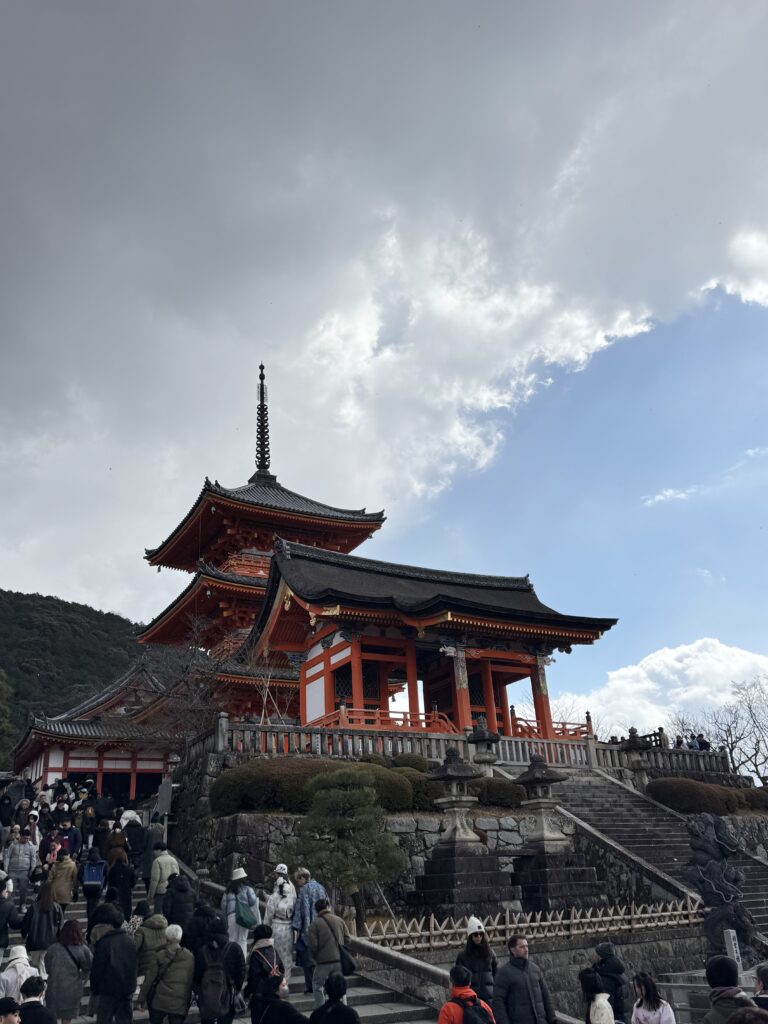
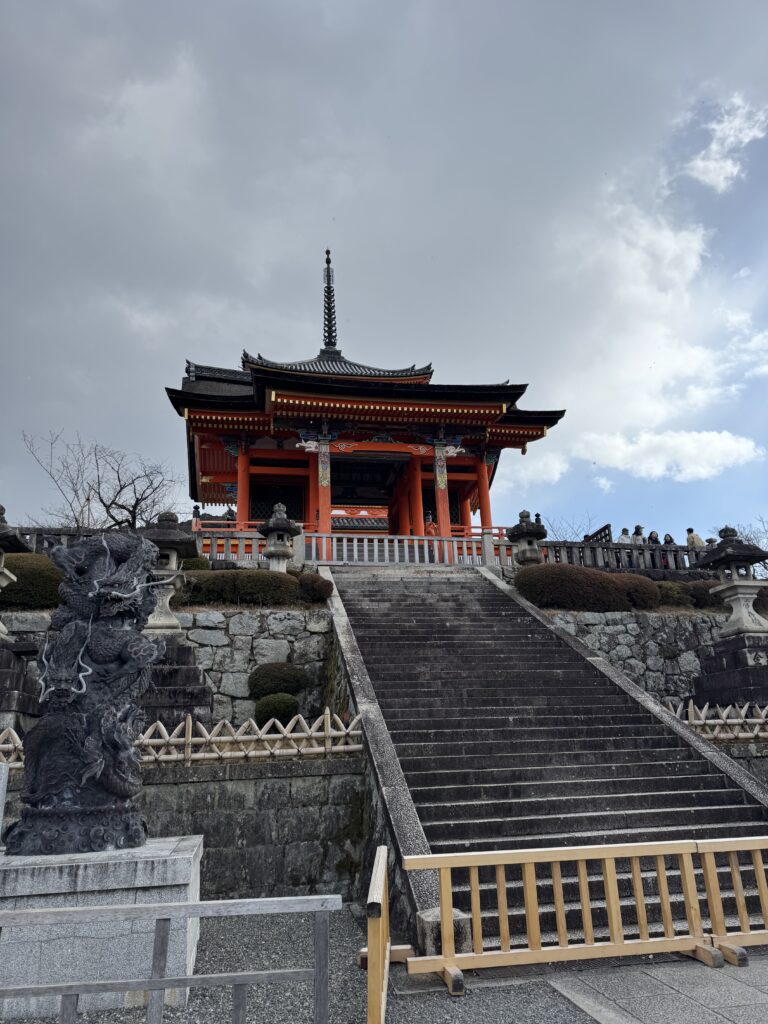
Kiyomizu-dera Temple
One of Kyoto’s most celebrated landmarks and a UNESCO World Heritage Site, it is famous for its large wooden stage that offers breathtaking views of the city and surrounding hills. Surrounded by beautiful scenery throughout the year, it is especially stunning during the cherry blossom and autumn seasons.
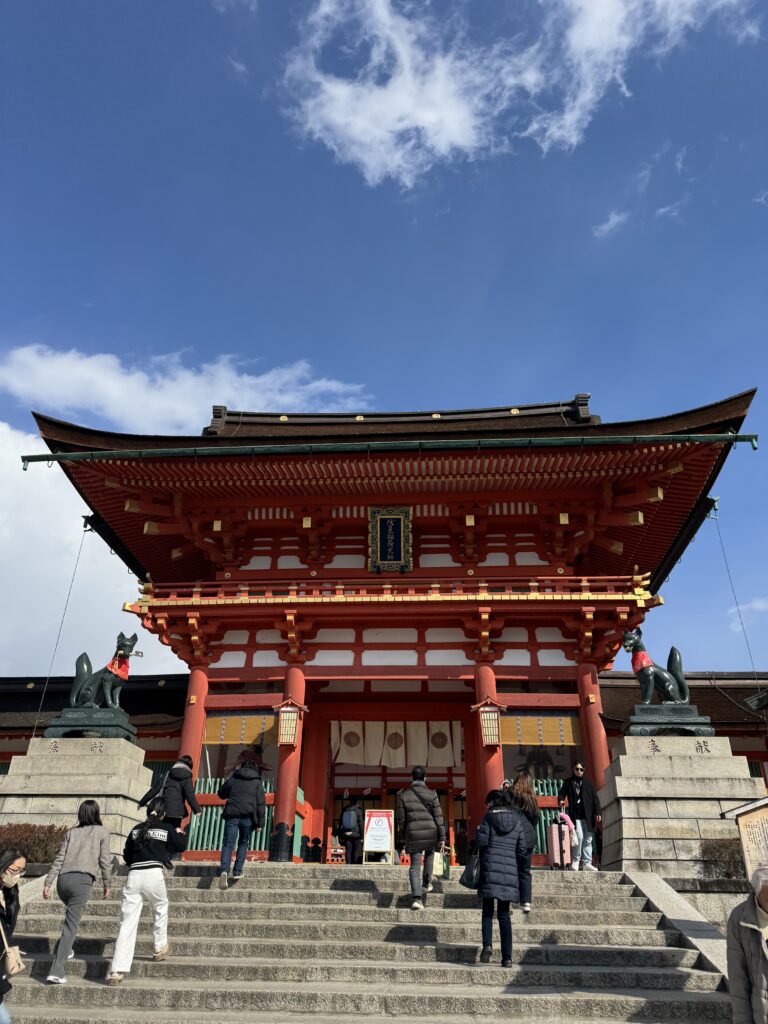
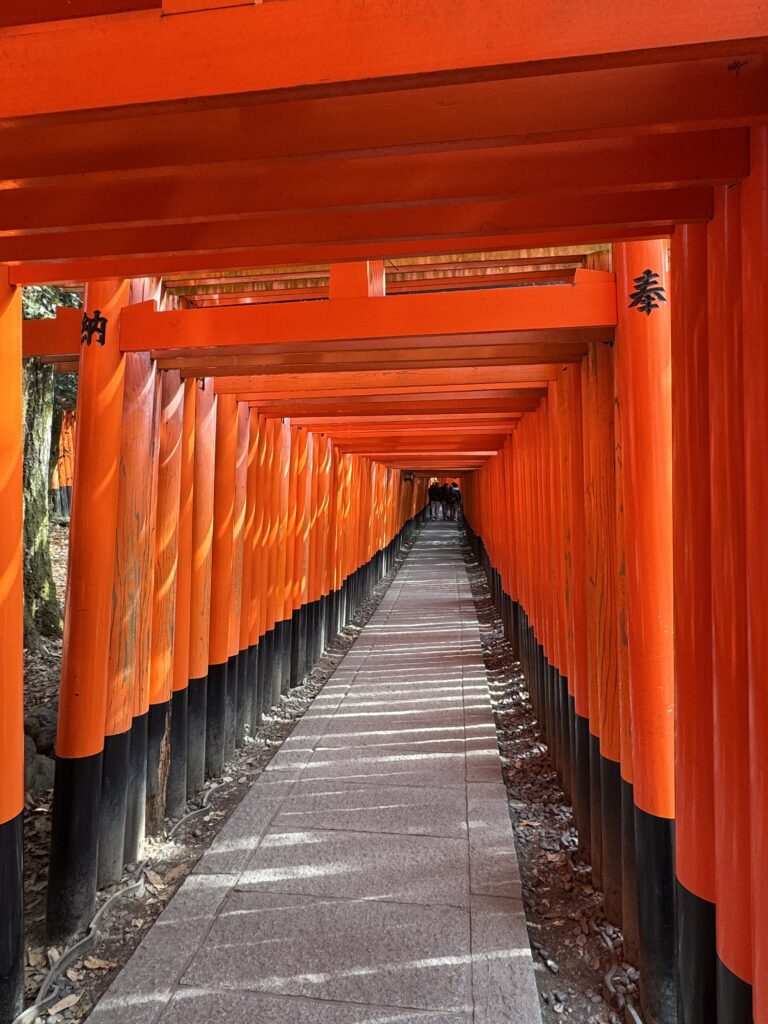
Fushimi Inari Taisha Shrine
One of Japan’s most iconic shrines, Fushimi Inari Taisha is famous for its thousands of vibrant vermilion torii gates that wind through the forested slopes of Mount Inari. Dedicated to the Shinto god of prosperity and success, it offers a unique and unforgettable walking experience in Kyoto
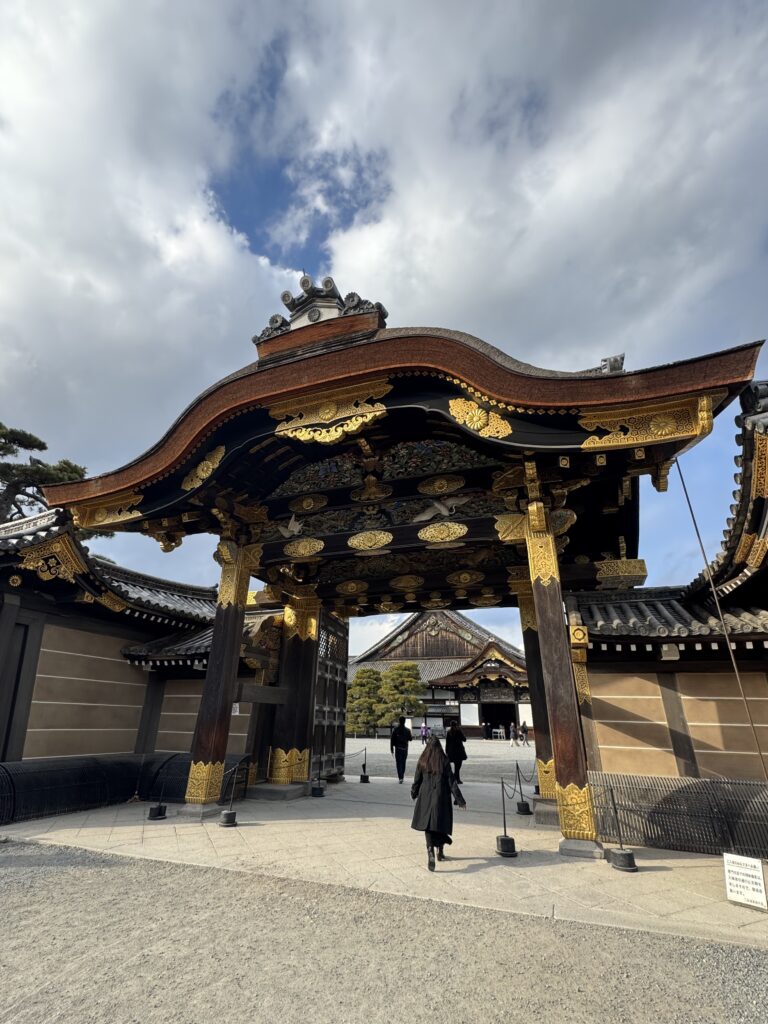
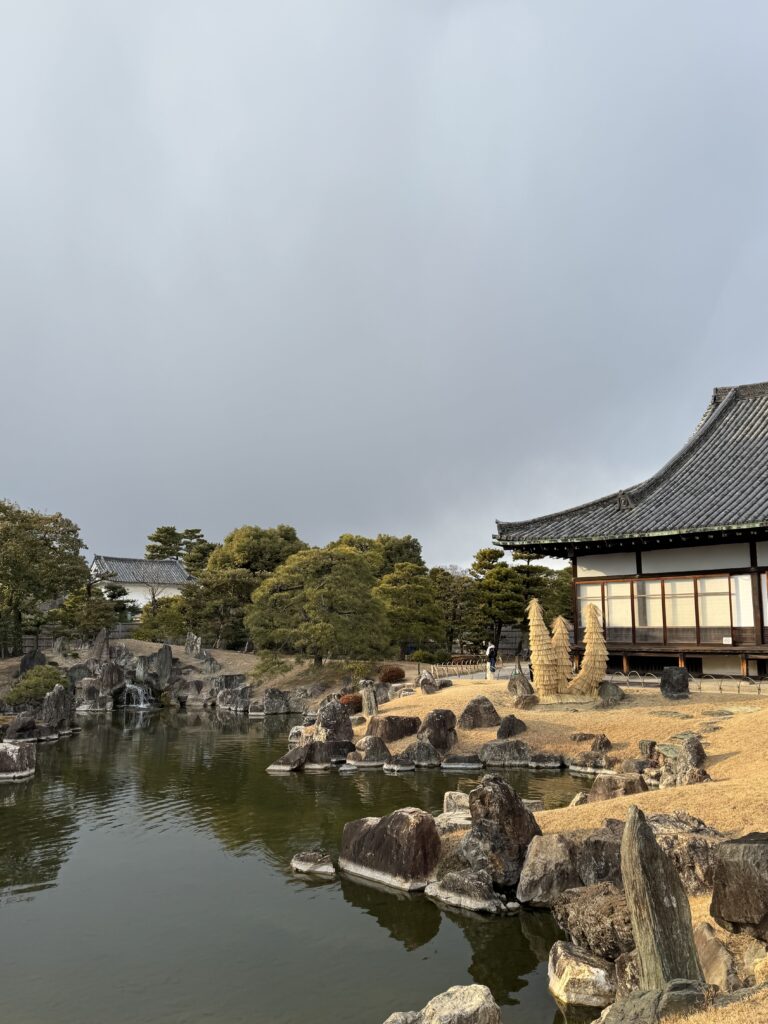
Nijo Castle
A UNESCO World Heritage Site. Known for its beautifully preserved palace interiors and stunning traditional gardens, it offers a fascinating glimpse into Japan’s history.
Day 6 – Kyoto
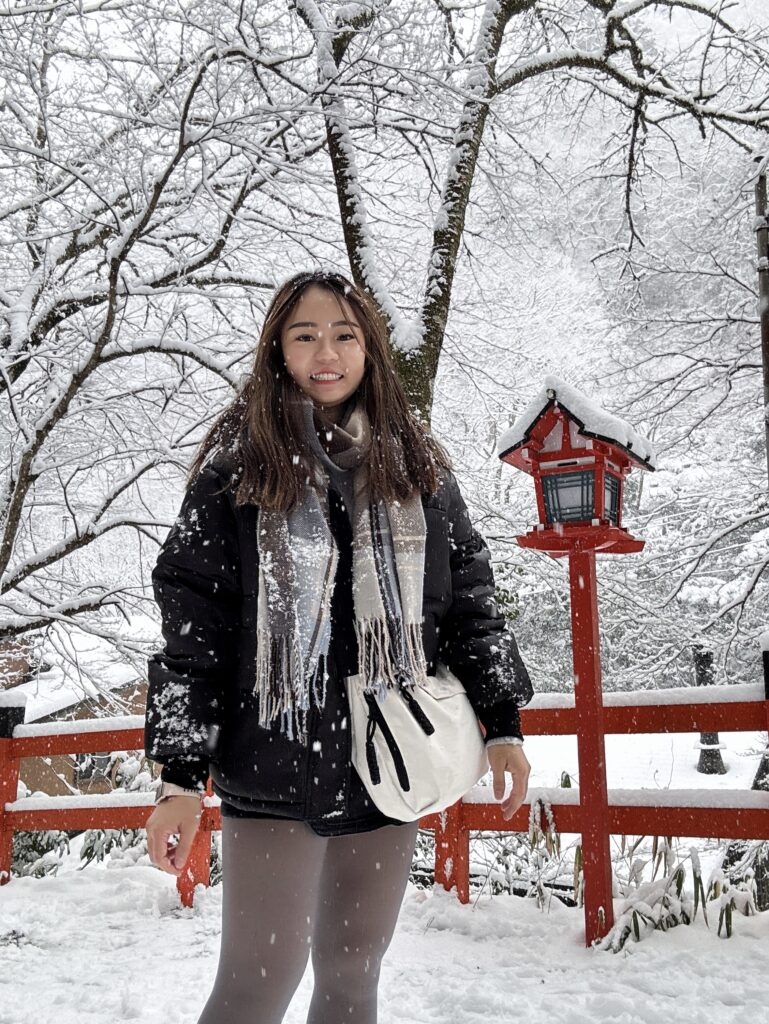
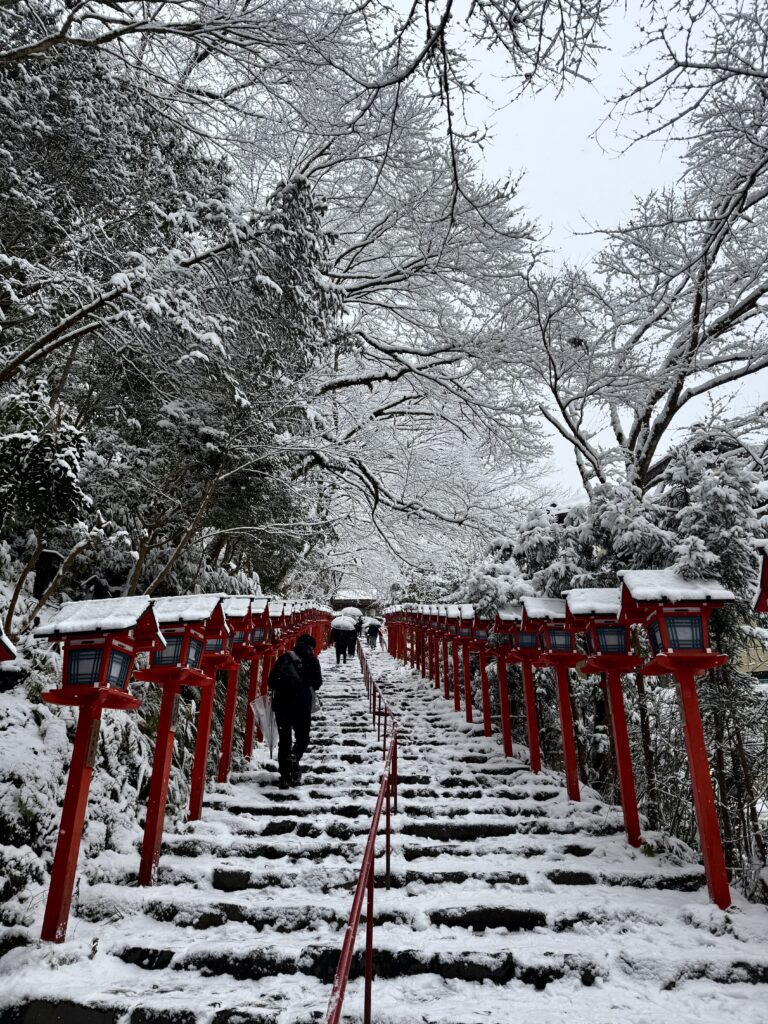
Kifune Shrine
In the mountains north of Kyoto, Kifune Shrine is a peaceful sanctuary dedicated to the deity of water. Surrounded by lush forests and a flowing river, it is known for its stone stairway lined with red lanterns and its serene atmosphere throughout the year.
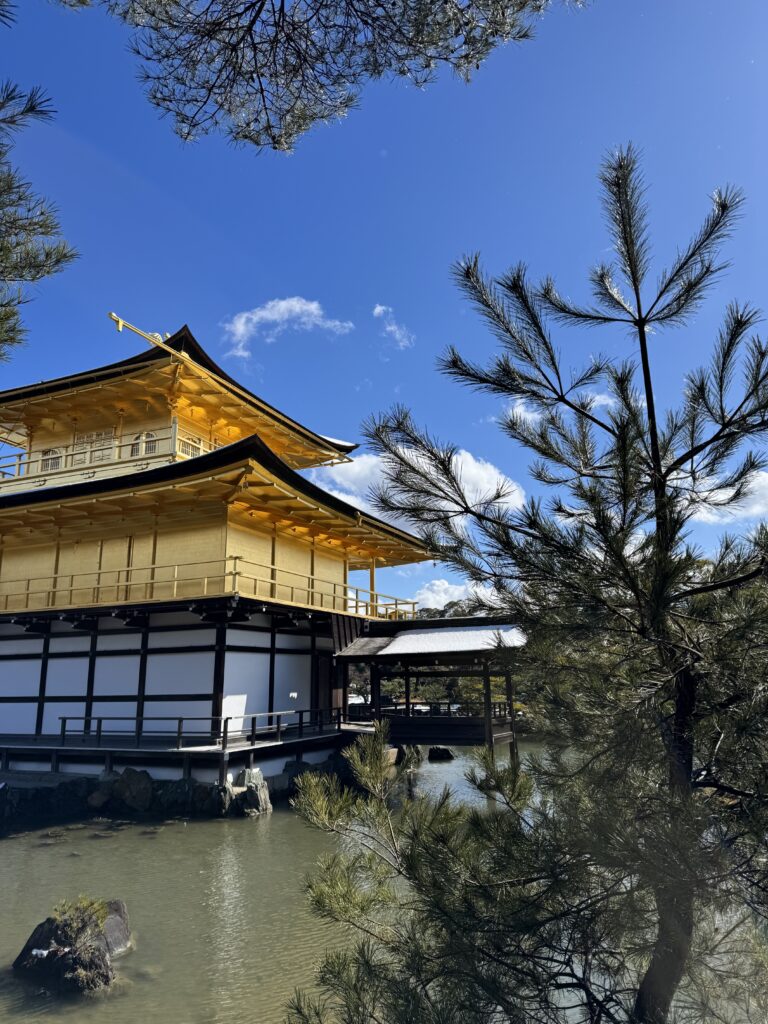
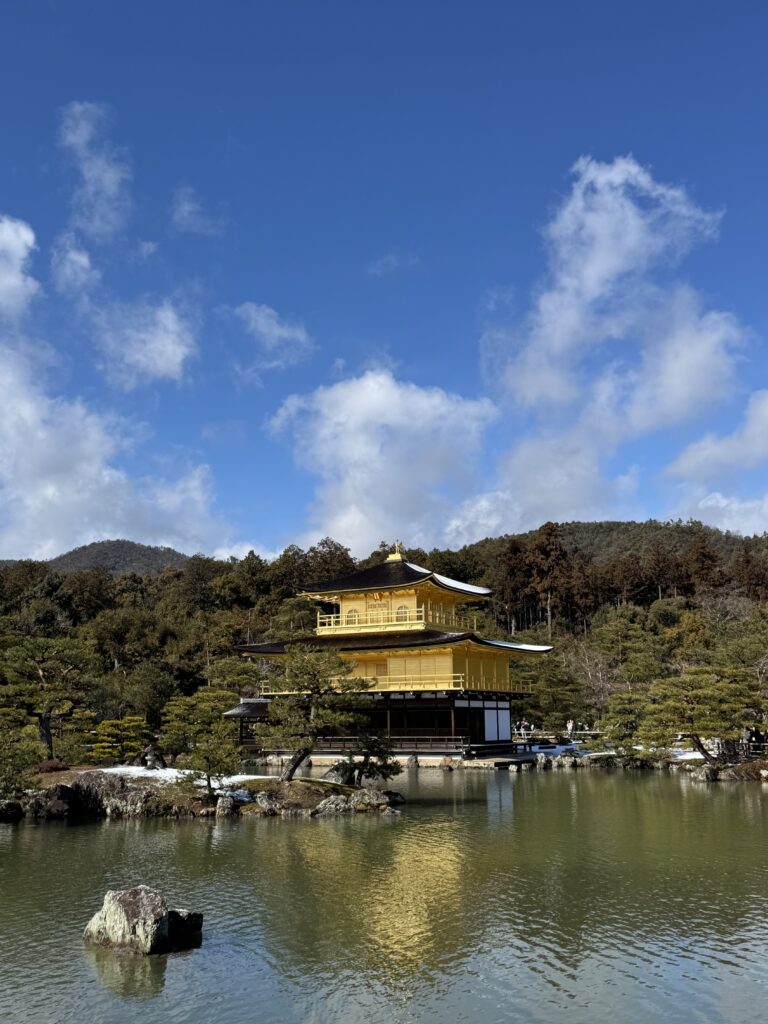
Kinkaku-ji
Famous for its shimmering gold exterior, Kinkaku-ji is one of Kyoto’s most celebrated temples. Set against a backdrop of beautifully landscaped gardens and a reflective pond, it is a must see attraction for visitors to Kyoto.
Day 7 – Fuji
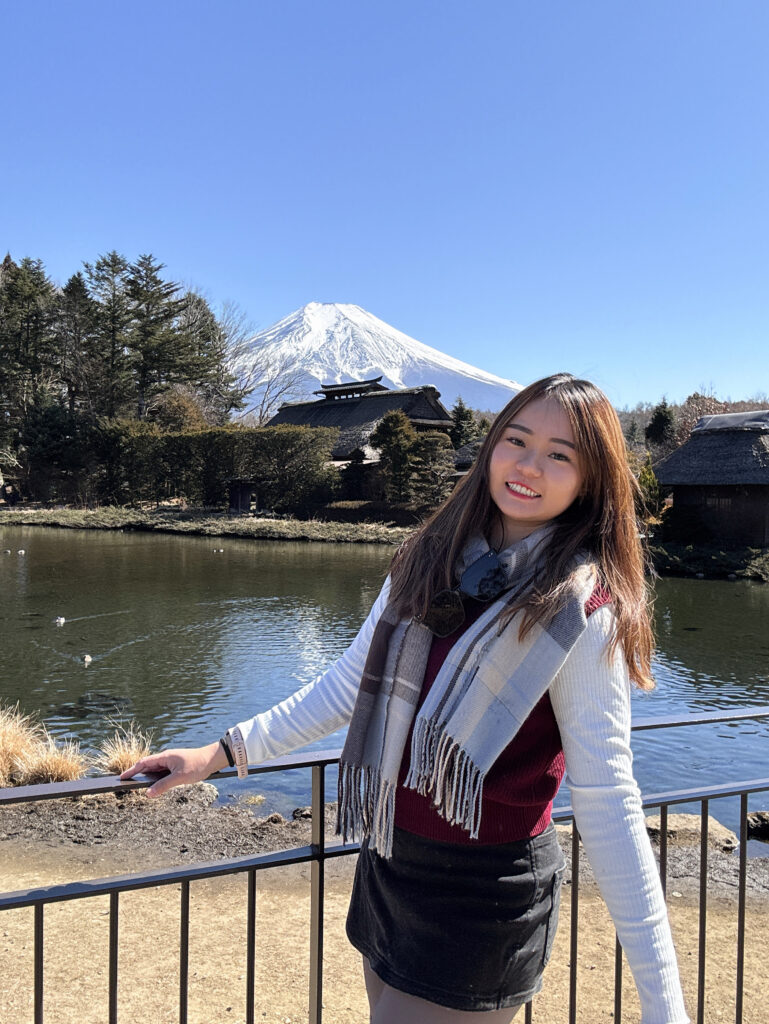
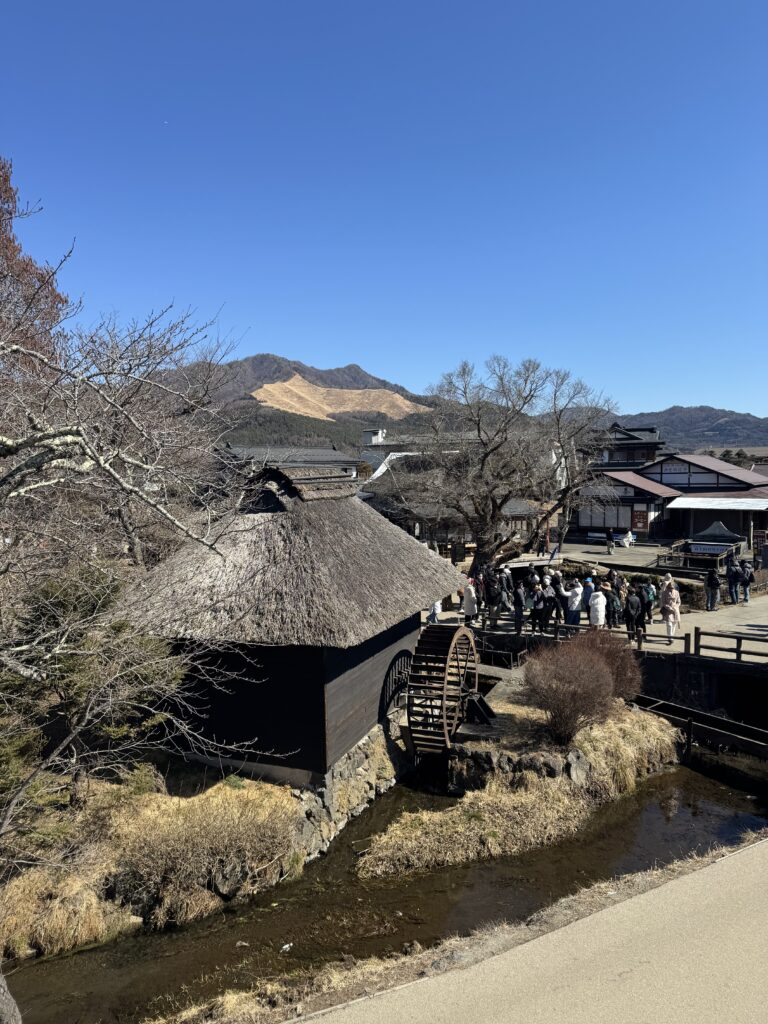
Oshino Hakkai
A charming village which is surrounded by traditional houses and beautiful scenery, it is a great place to experience local culture and enjoy stunning views of Japan’s most famous mountain.
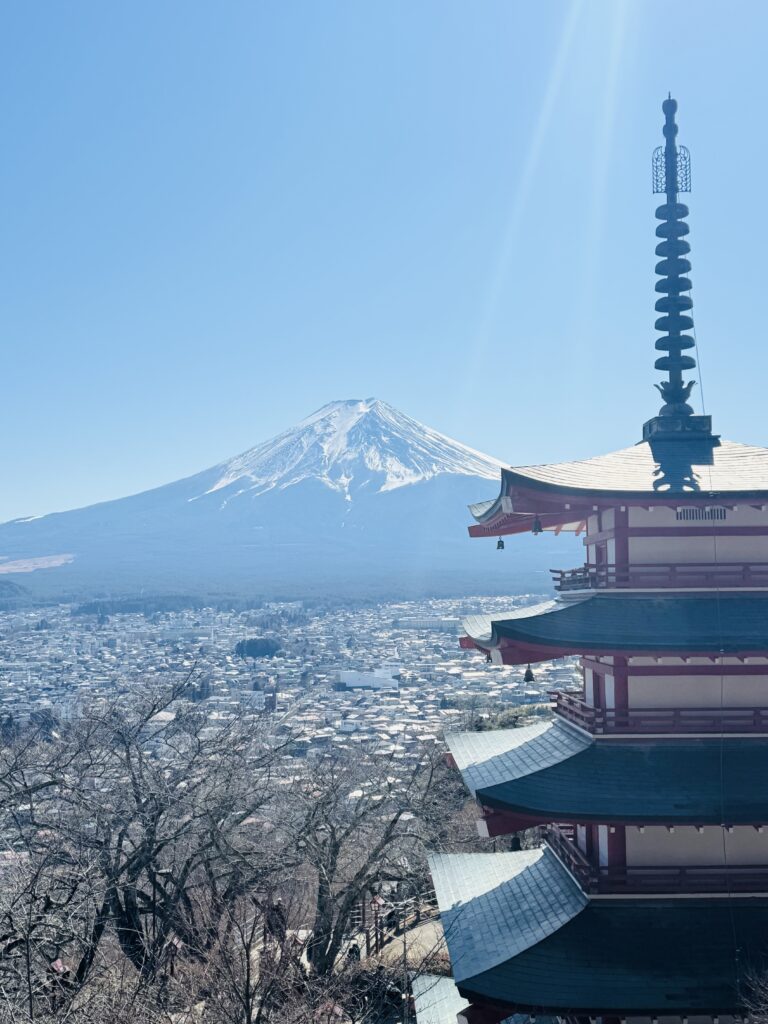
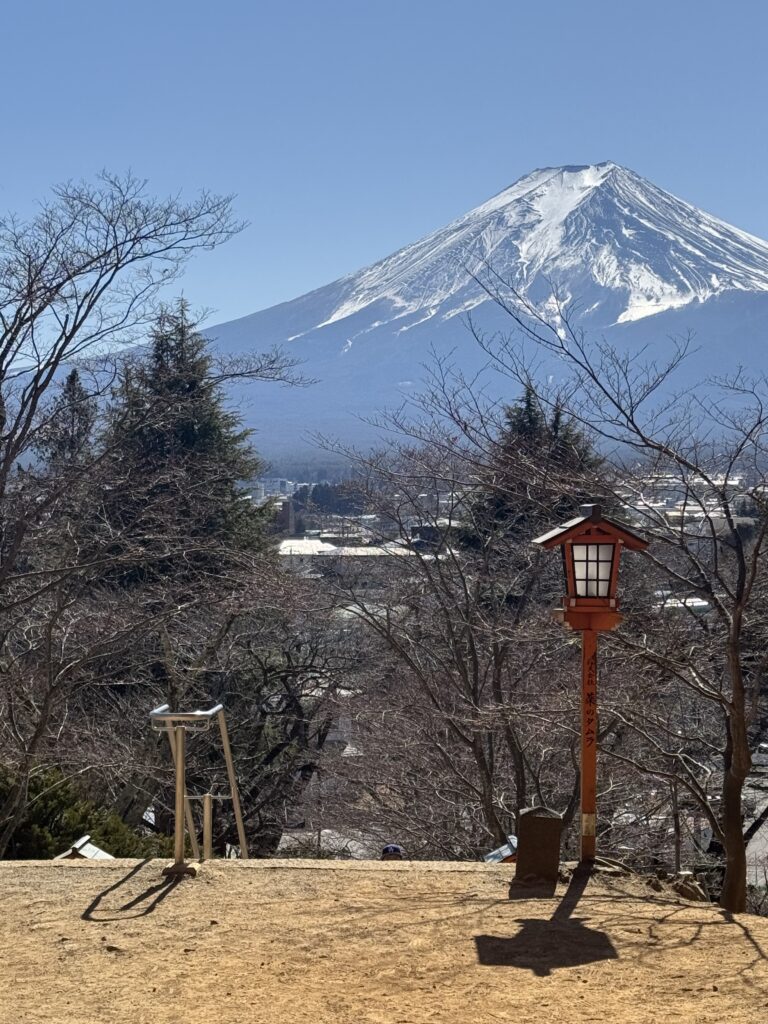
Arakurayama Sengen Park
One of the most famous viewpoints in Japan, Arakurayama Sengen Park offers stunning views of the Chureito Pagoda with Mount Fuji in the background. The park is especially popular during cherry blossom season and autumn, making it a perfect spot for photos.
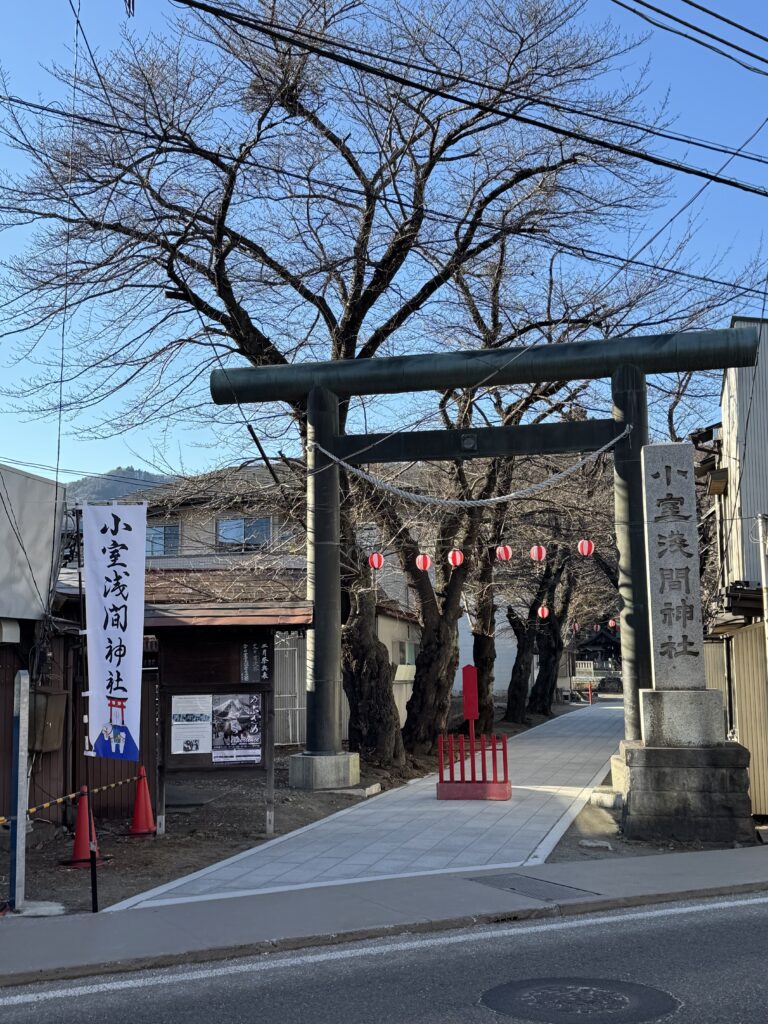
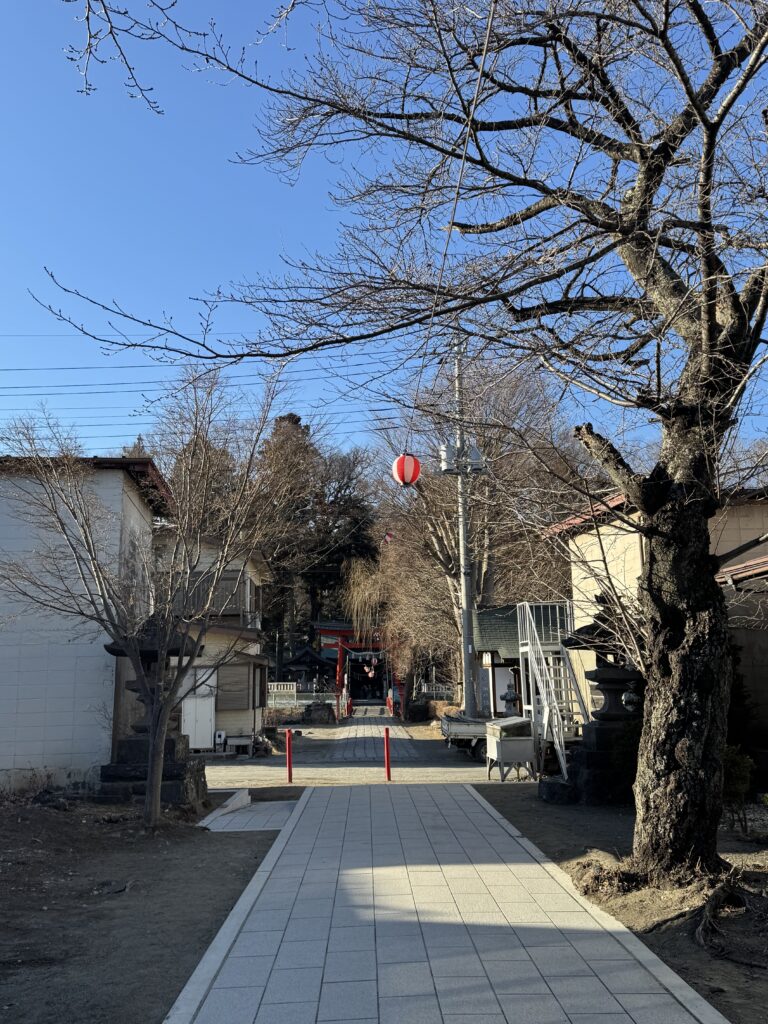
Omuro Sengen Shrine
Located at the foot of Mount Fuji, Omuro Sengen Shrine is a quiet and peaceful shrine dedicated to the mountain’s deity. Surrounded by tall trees, it offers a relaxing atmosphere and a chance to learn about the local culture and history connected to Mount Fuji.
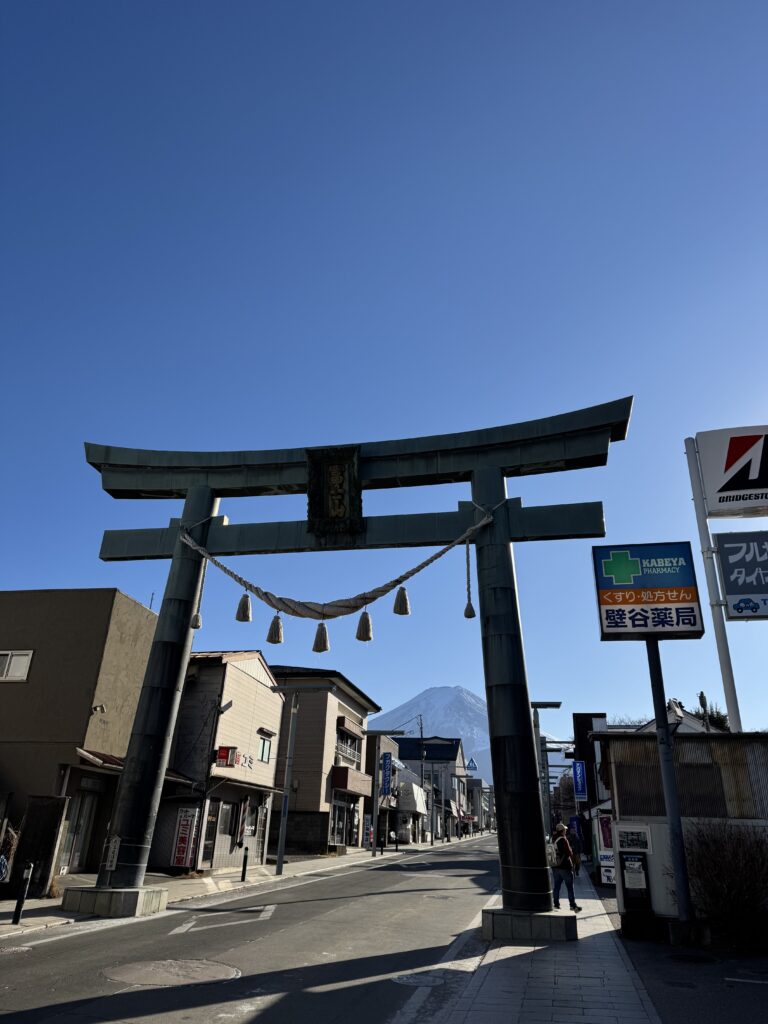
Kanadorii Gate
Standing at the entrance to the sacred grounds of Mount Fuji, the Kanadorii Gate is a symbolic gateway that marks the transition from the ordinary world to a spiritual one. With Mount Fuji often visible in the background, it is a popular spot for photos and a meaningful stop for visitors exploring the area.
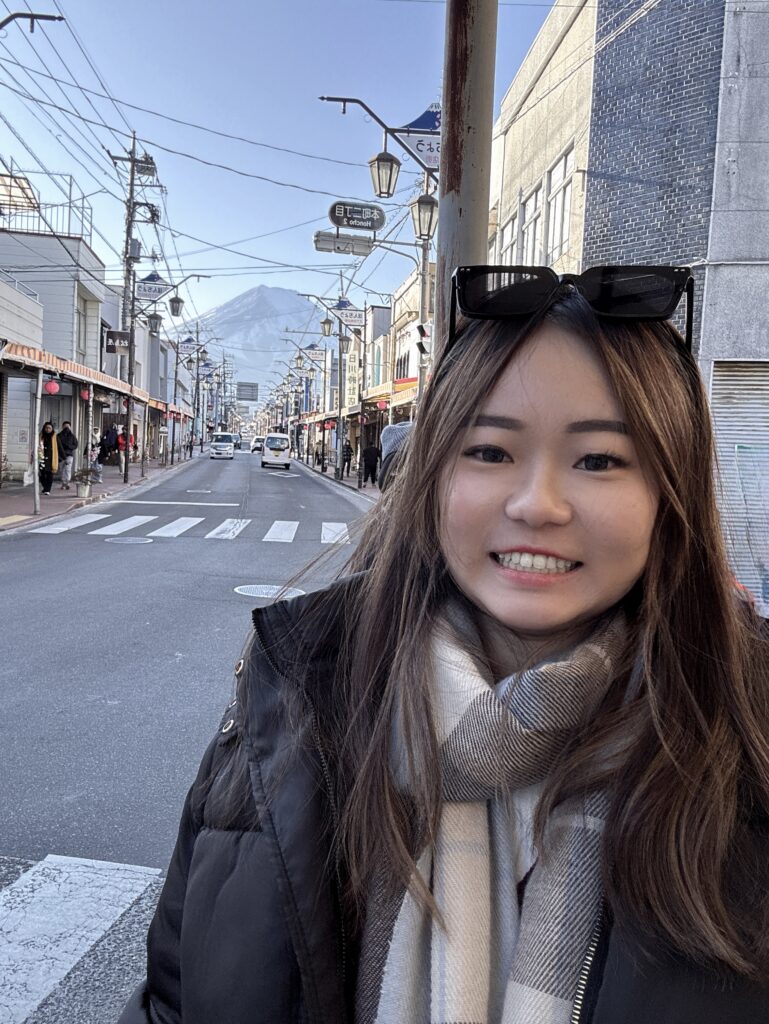
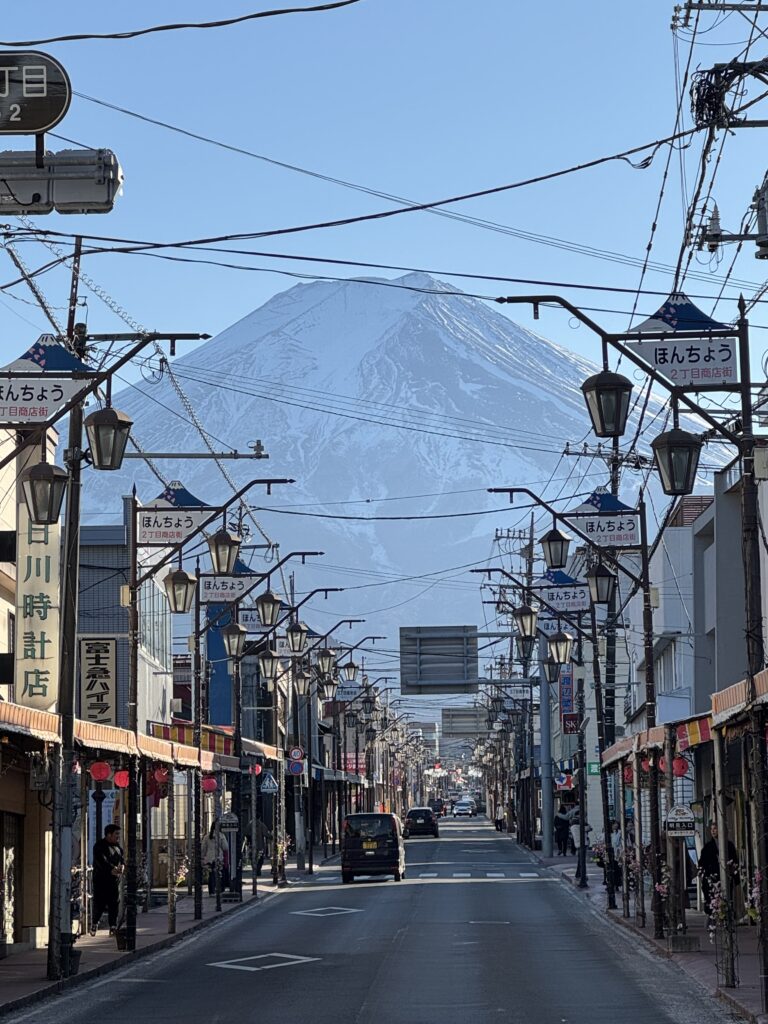
Hikawa Clock Shop Street
Located in the historic town of Kawagoe, Hikawa Clock Shop Street is famous for its traditional Edo-period architecture and the iconic Toki no Kane (Bell of Time). Lined with charming shops, cafés, and local delicacies, it offers visitors a glimpse into Japan’s old world charm and rich cultural heritage.
Day 8 – Fuji
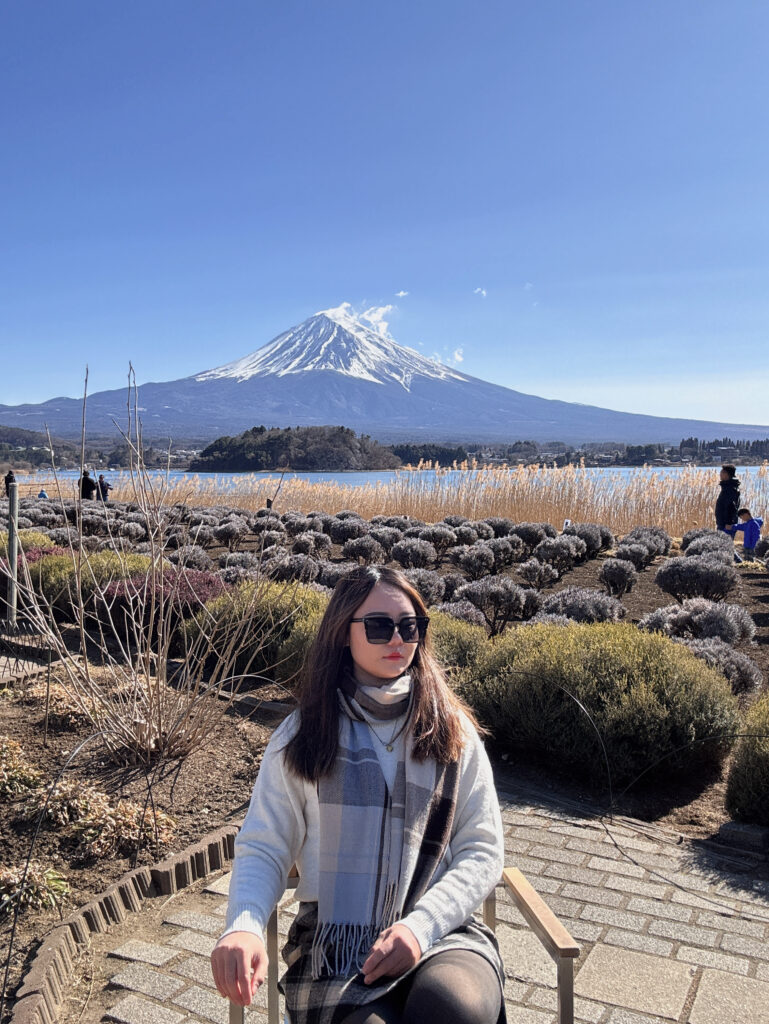
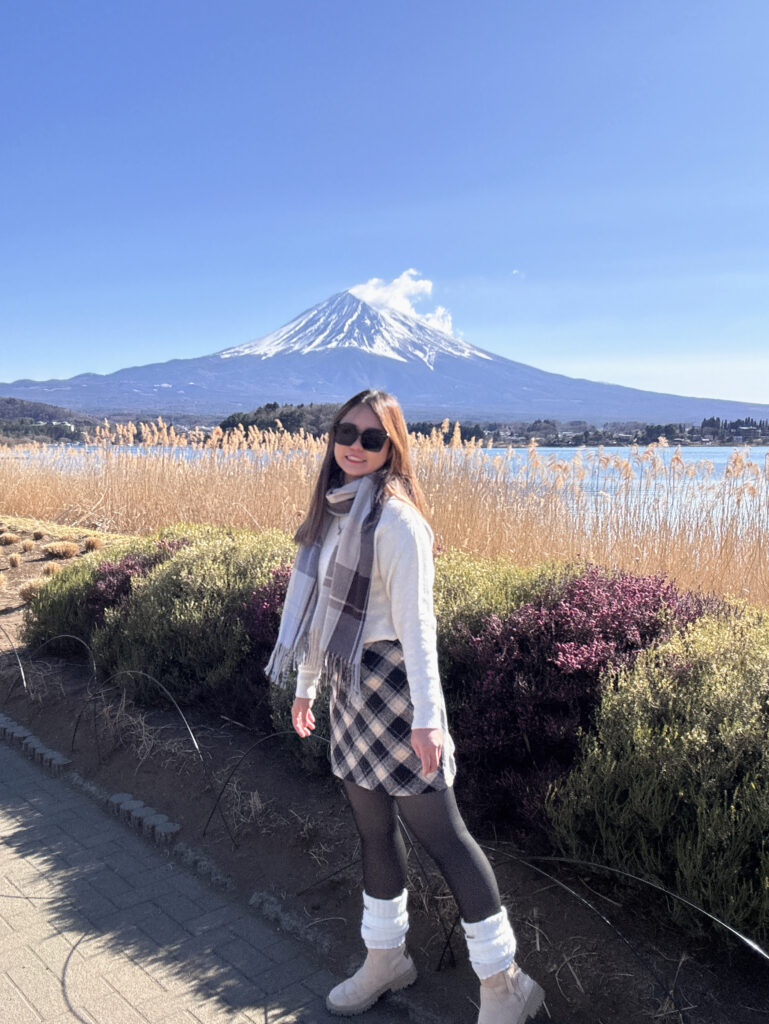
Oishi Park
Located along the shores of Lake Kawaguchi, Oishi Park is famous for its beautiful seasonal flowers and stunning views of Mount Fuji. It is a popular spot for photography, especially during the lavender season when the colorful flower fields create a picture perfect background.
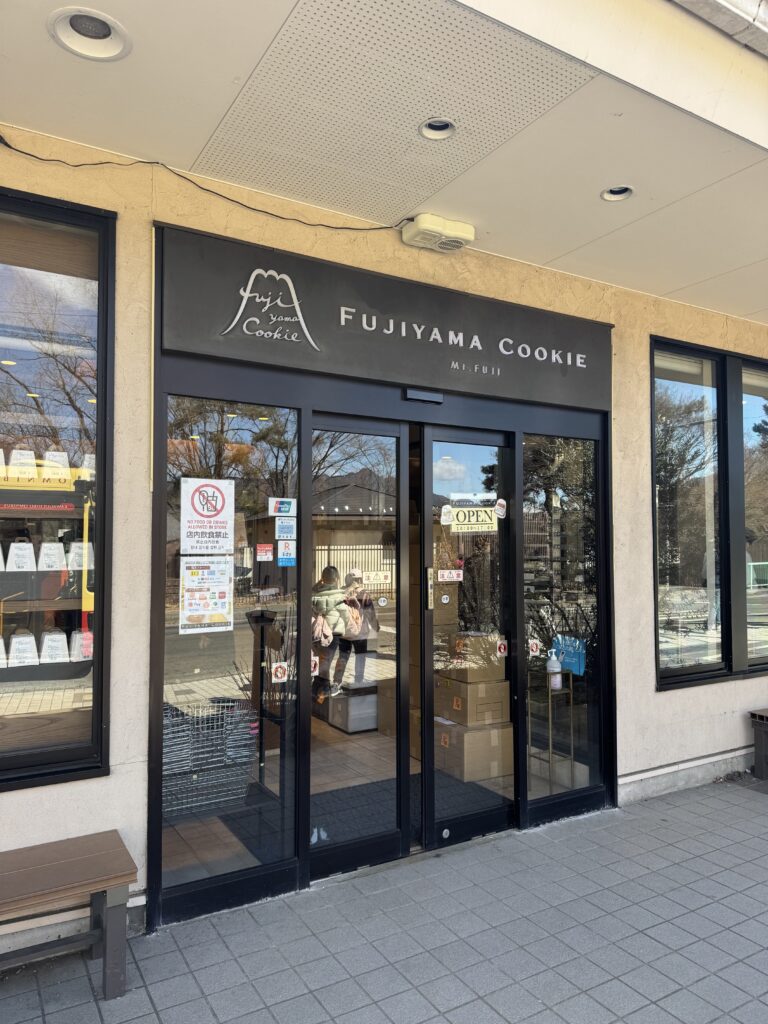
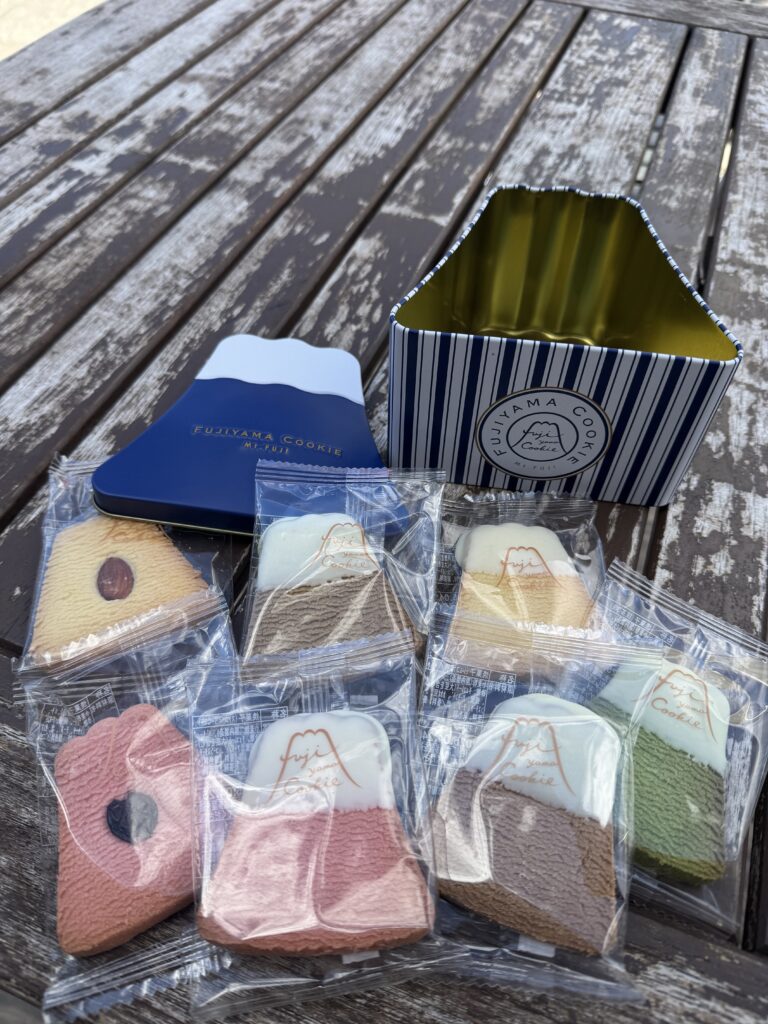
Fujiyama Cookie
A popular dessert shop near Mount Fuji, Fujiyama Cookie is known for its delicious Mount Fuji-shaped cookies. With a variety of flavors and beautifully decorated designs, it is a great place to pick up a tasty snack or souvenir.
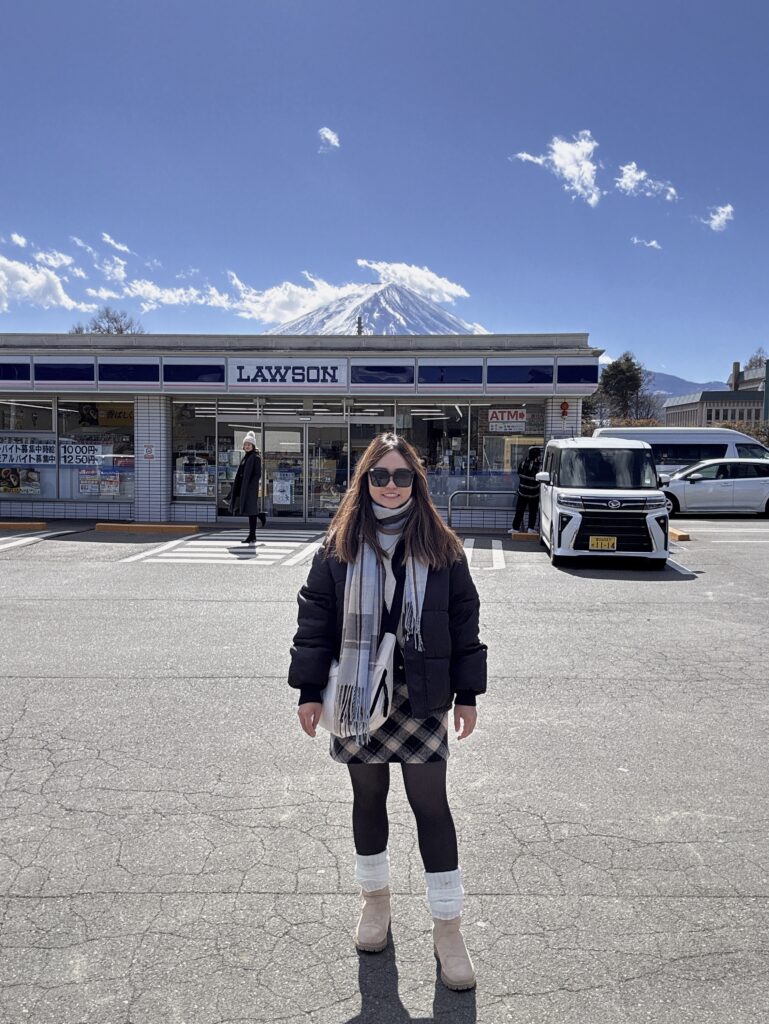
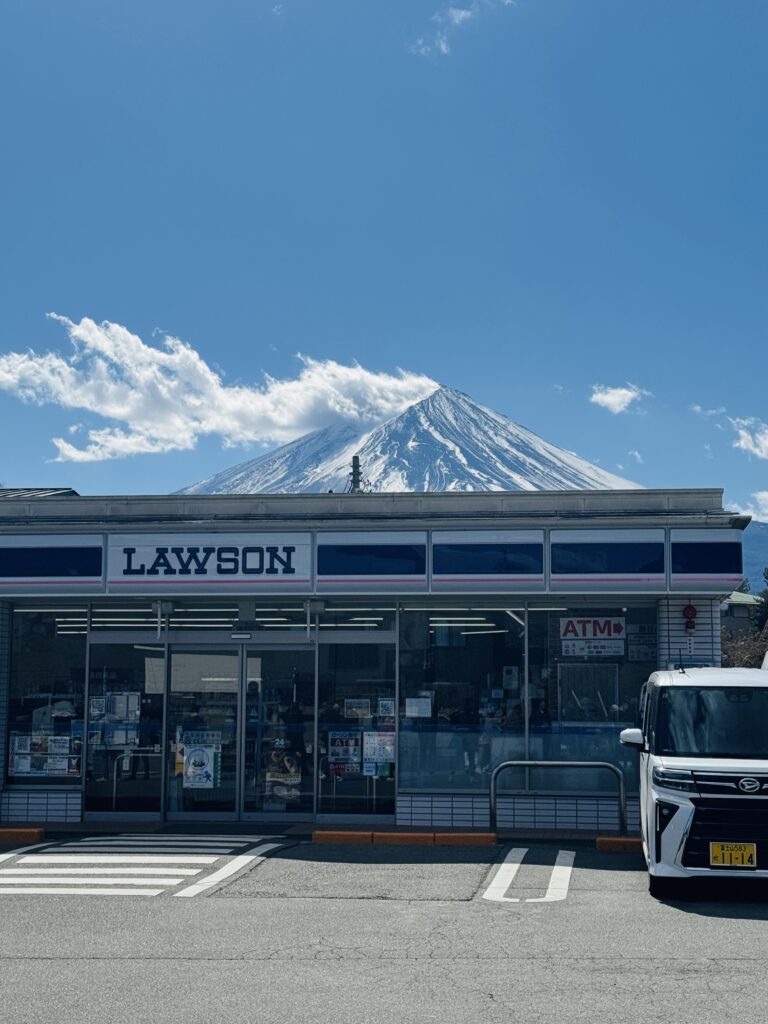
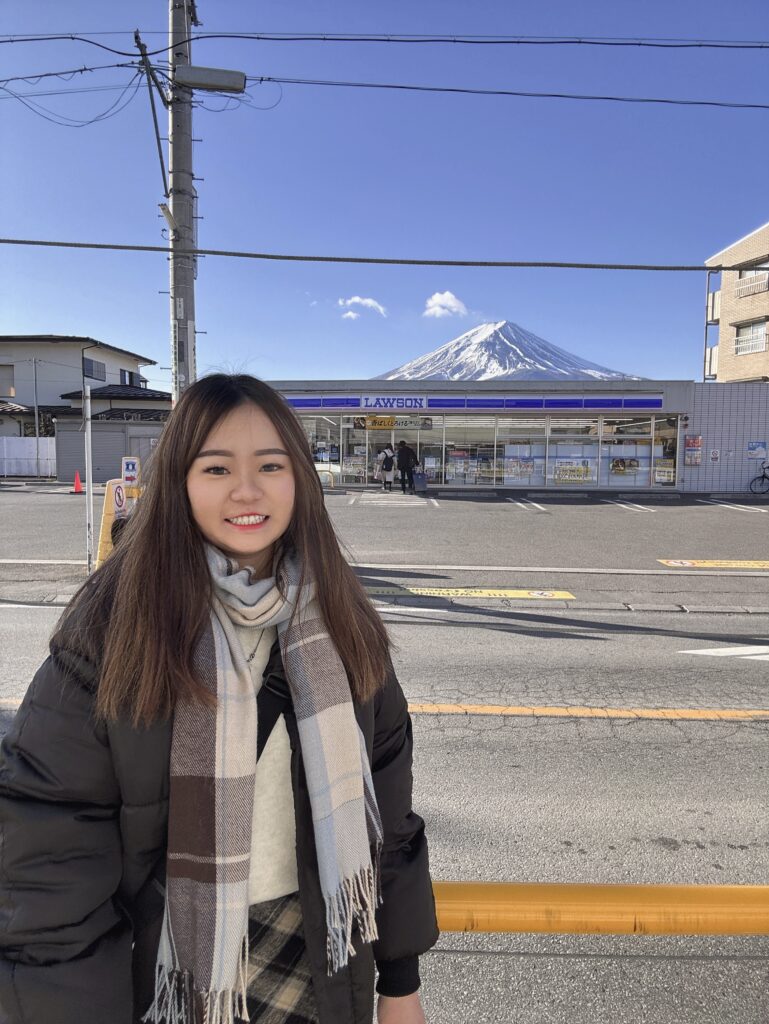
Lawson (Fujikawaguchiko Town Hall)
One of the most famous photo spots near Mount Fuji, this Lawson convenience store is known for its unique view of the mountain rising behind it. The contrast between everyday Japanese life and the iconic peak has made it a popular stop for visitors and photographers.
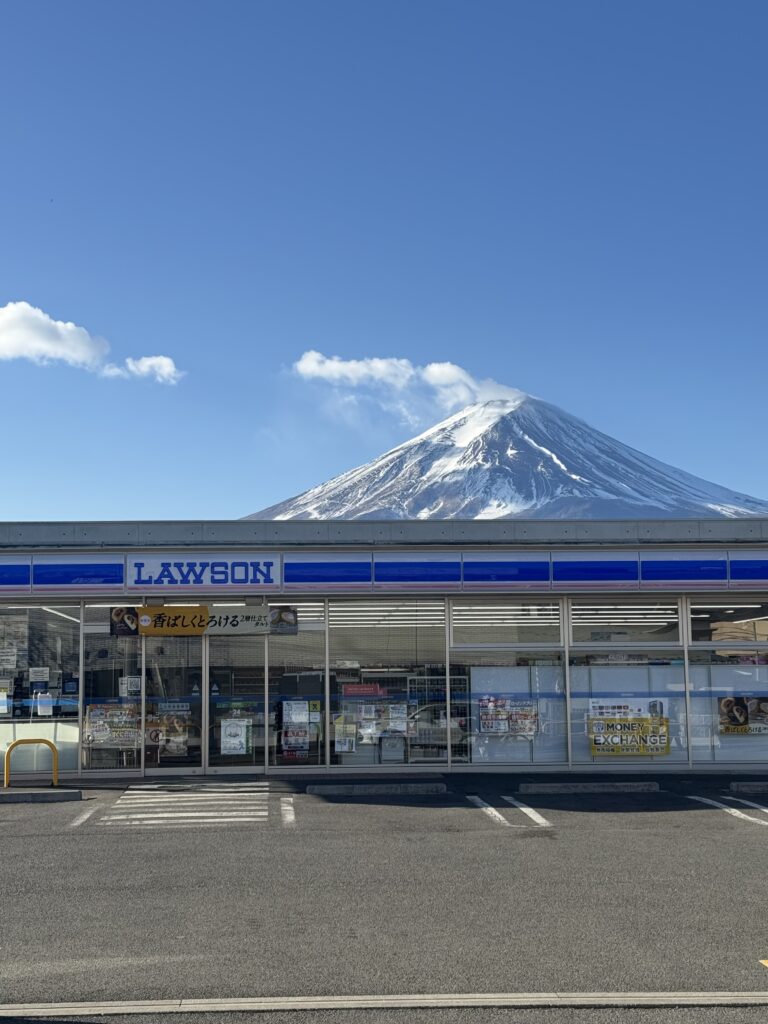
Lawson (Lake Kawaguchiko Station)
A popular photo spot near Kawaguchiko Station, this Lawson convenience store offers beautiful views of Mount Fuji on clear days. It is a convenient place to grab snacks, drinks, or travel essentials while enjoying one of the area’s most iconic sights.
Fujisan Shokupan
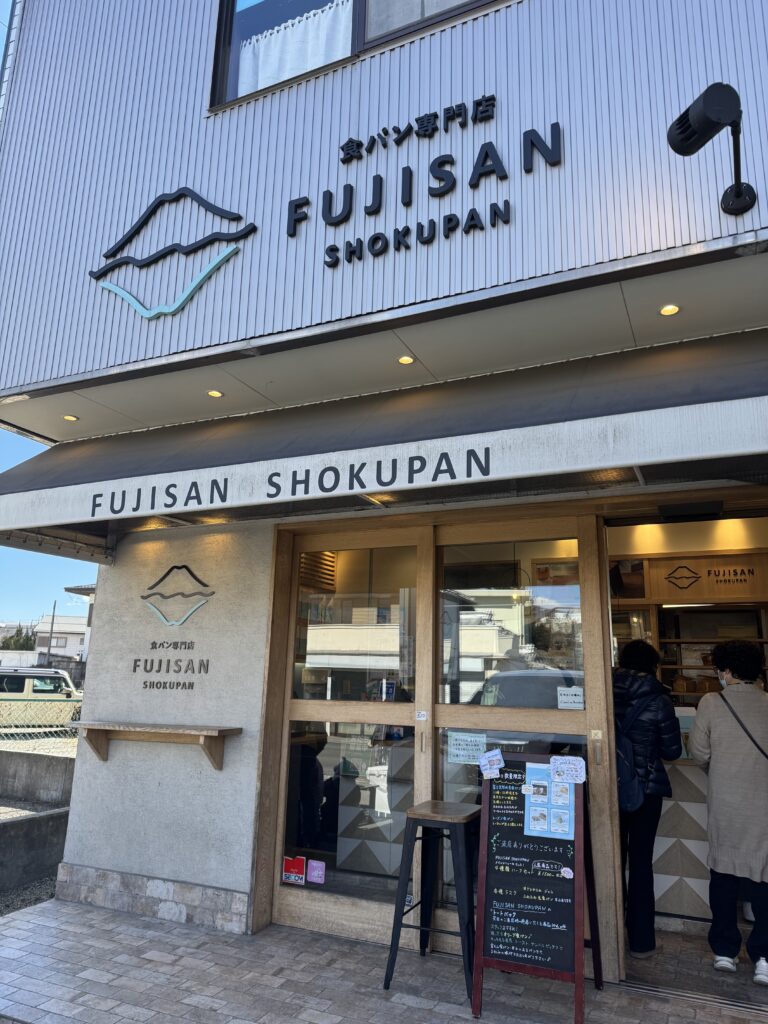
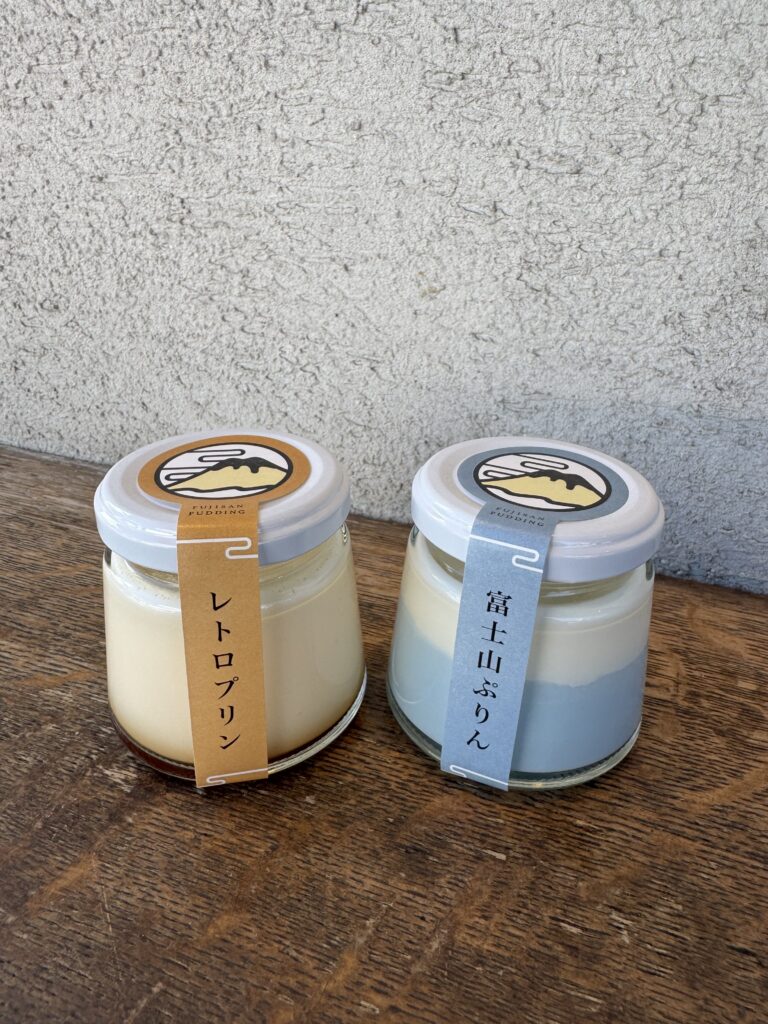
A popular bakery known for its soft and fluffy Mount Fuji shaped bread. Besides its signature bread, the shop is also famous for its rich and creamy pudding, making it a great place to try local treats or pick up unique souvenirs from the Mount Fuji area.
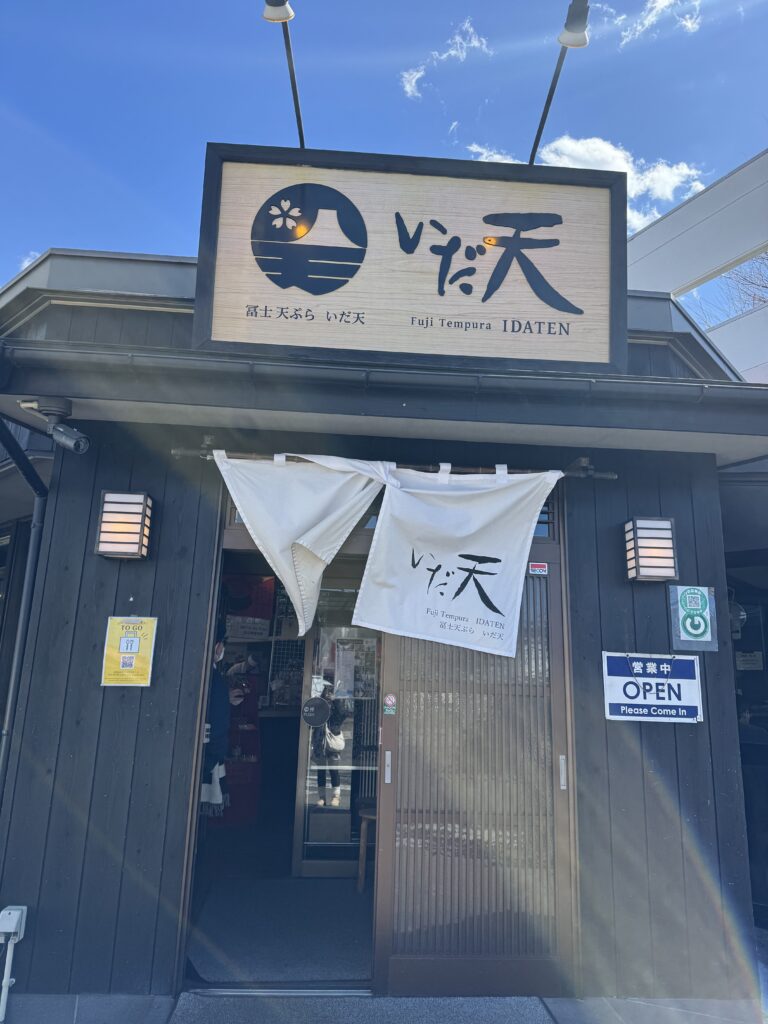
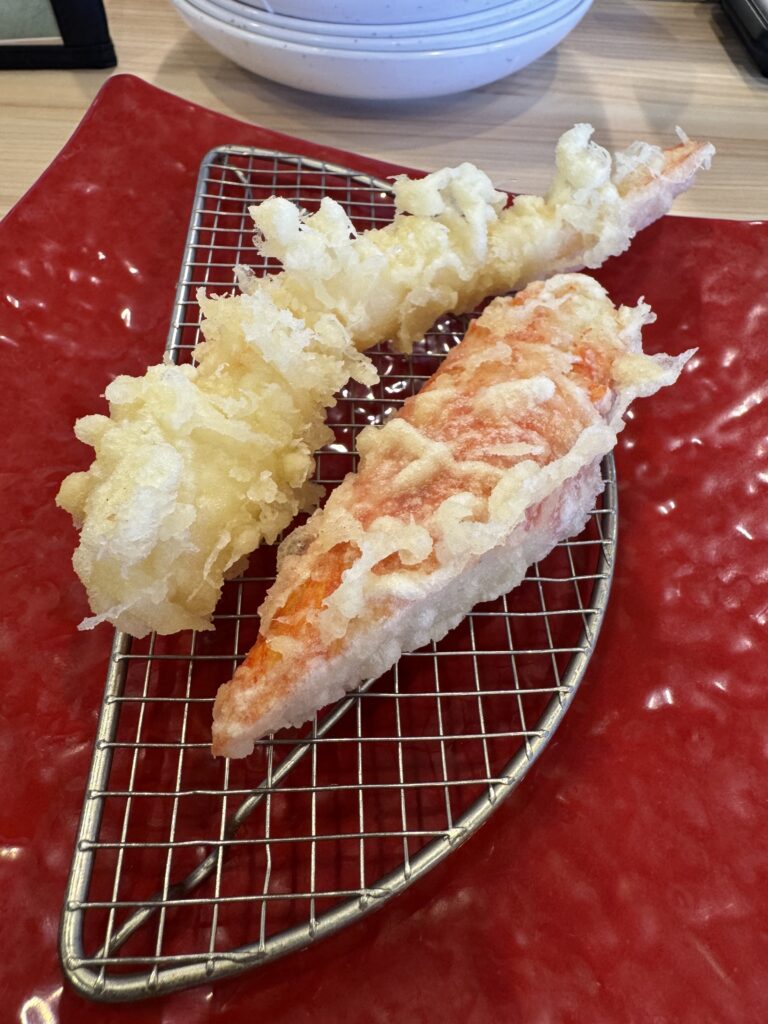
Fuji Tempura Idaten
A popular restaurant near Lake Kawaguchiko, Fuji Tempura Idaten is known for its freshly made tempura with a light and crispy batter. Using seasonal ingredients and local produce, it is a great place to enjoy traditional Japanese cuisine in a modern and comfortable setting.
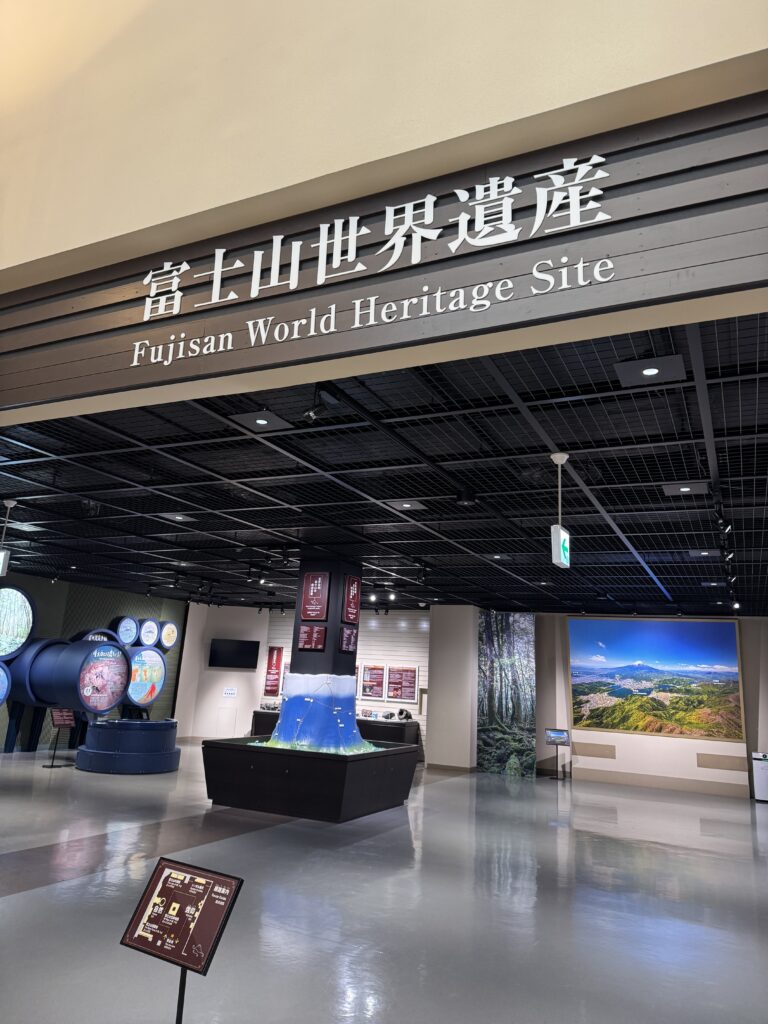
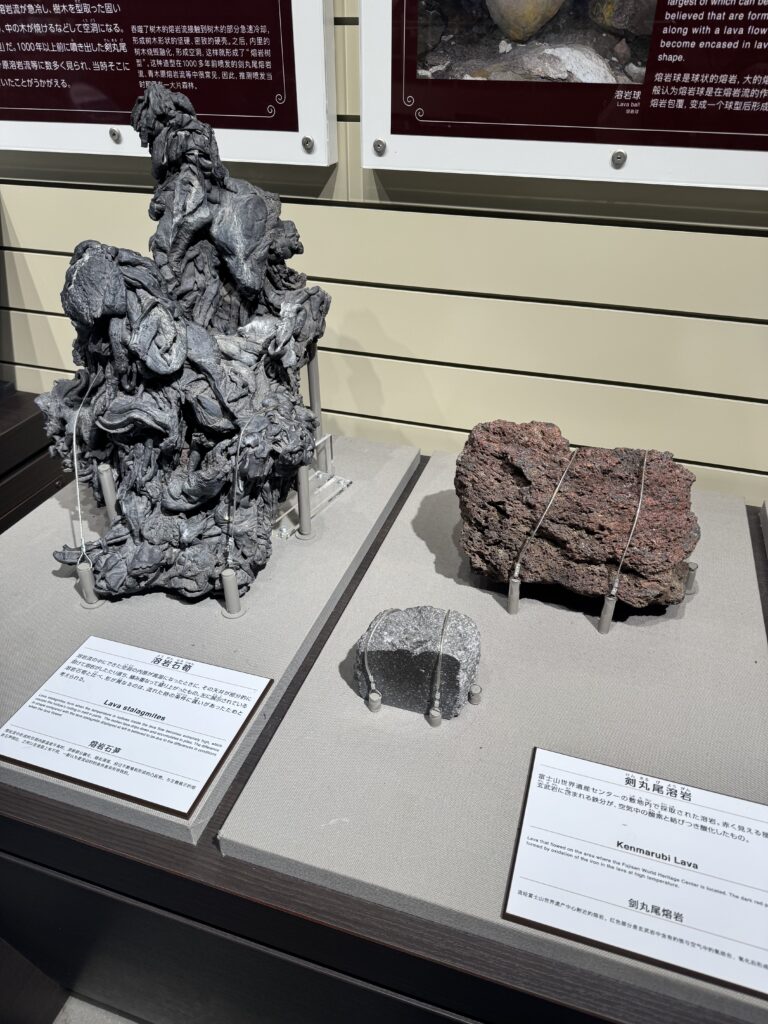
Fujisan World Heritage Site
This visitor center offers an introduction to the history, culture, and significance of Mount Fuji, a UNESCO World Heritage Site. Through interactive exhibits and displays, visitors can learn more about Japan’s most iconic mountain before exploring the surrounding area.
Day 9 – Fuji
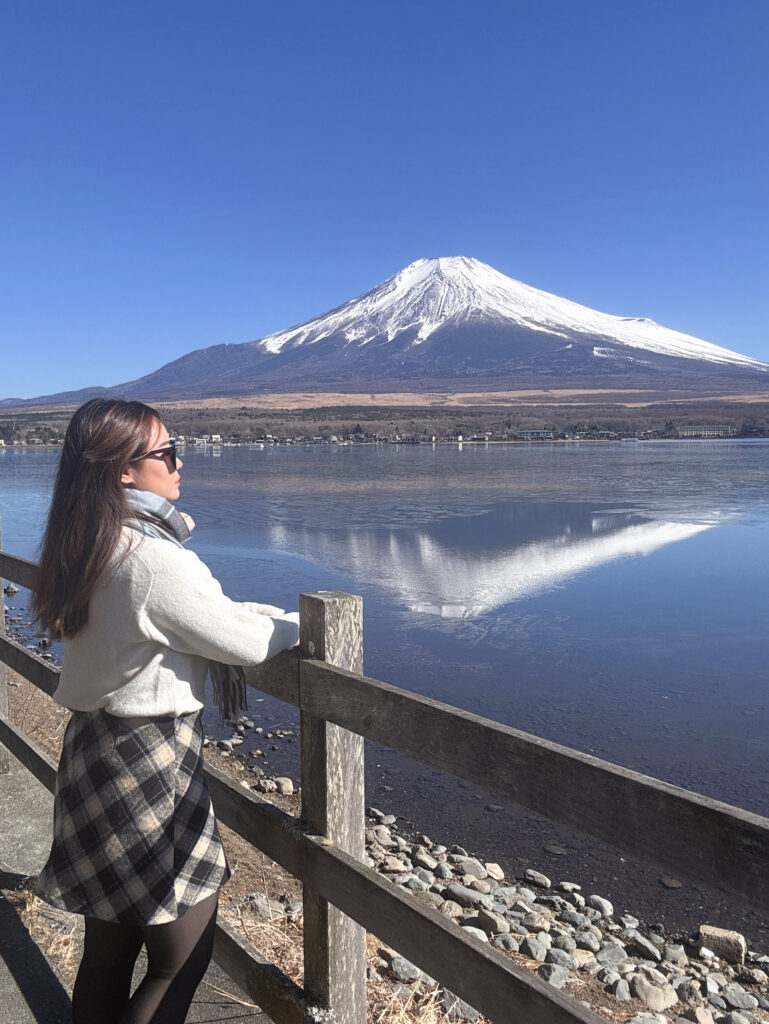
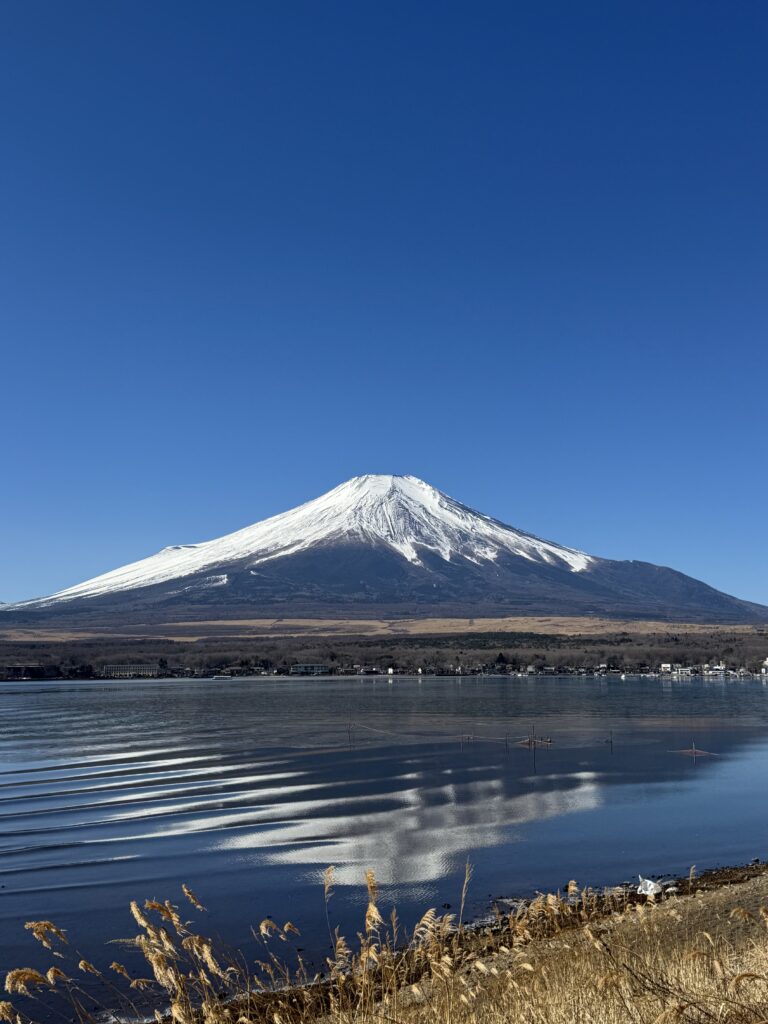
Lake Yamanaka
The largest of the Fuji Five Lakes, Lake Yamanaka is known for its beautiful views of Mount Fuji and peaceful natural surroundings. Visitors can enjoy lakeside walks, cycling, boating, and seasonal scenery while taking in one of the best views of Japan’s iconic mountain.
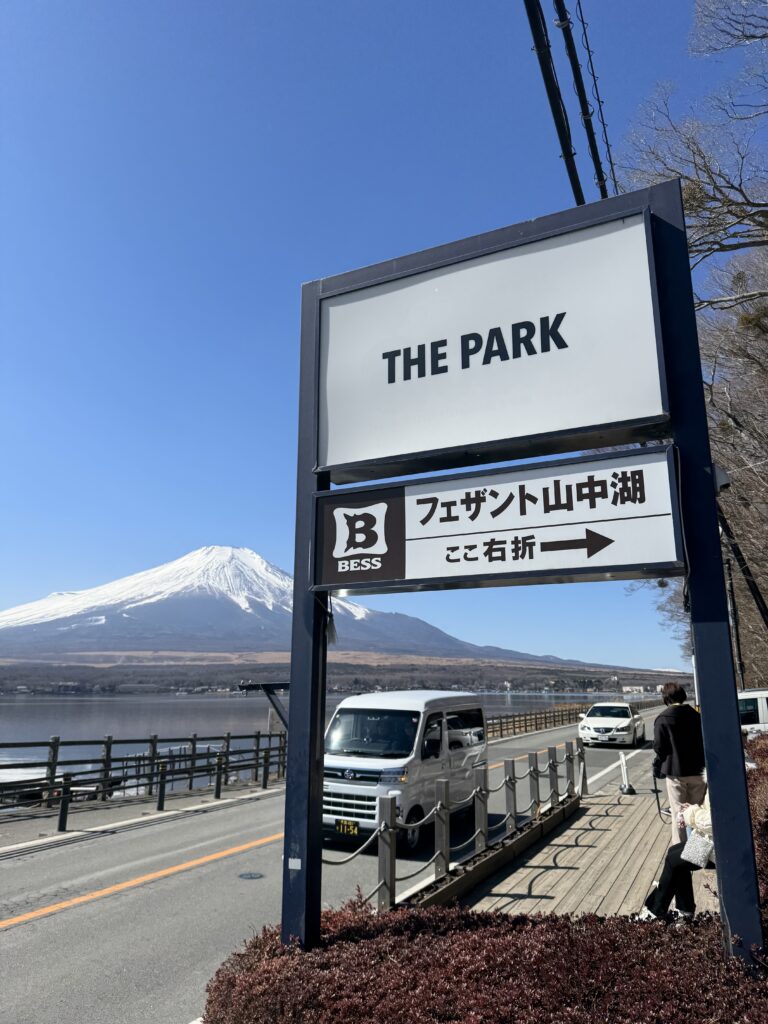
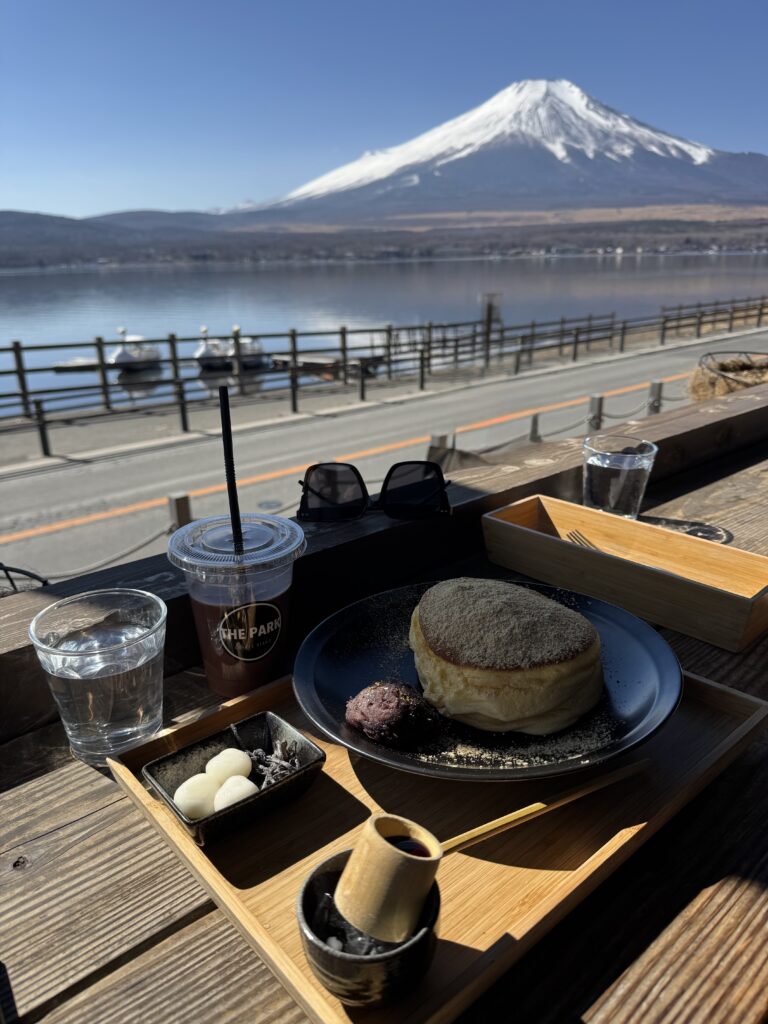
The Park Cafe
A cozy cafe near Lake Yamanaka, The Park Cafe offers a relaxing atmosphere with beautiful views of nature and Mount Fuji. It is a great place to enjoy a cup of coffee, light meals, and a peaceful break while exploring the Fuji area
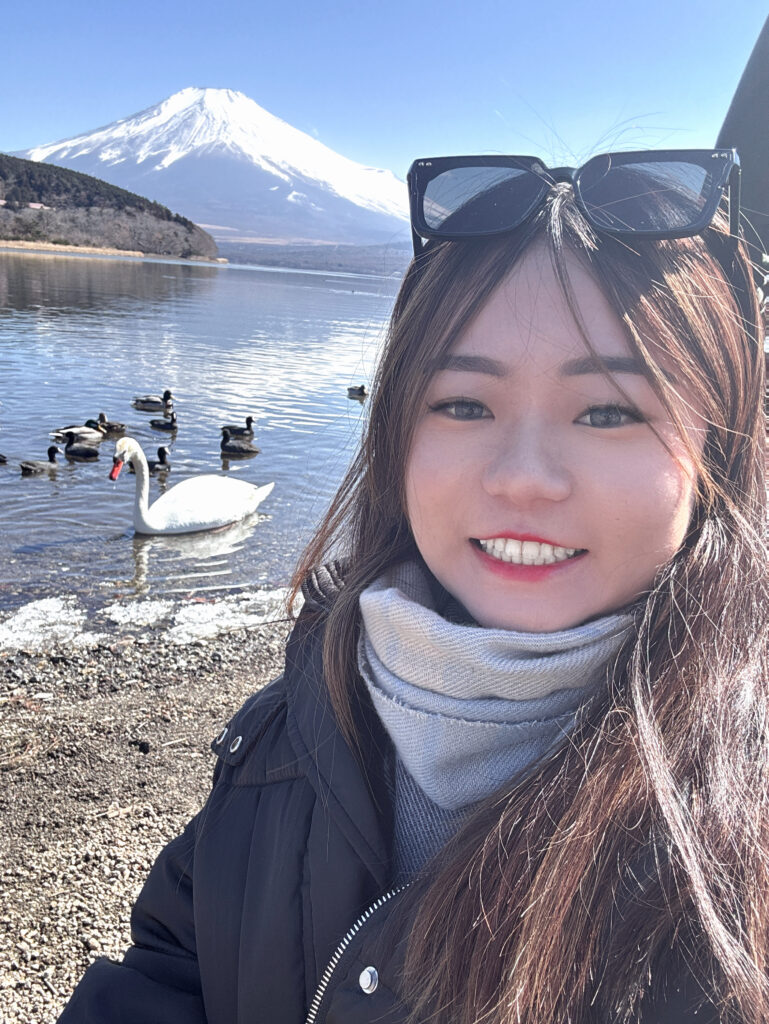
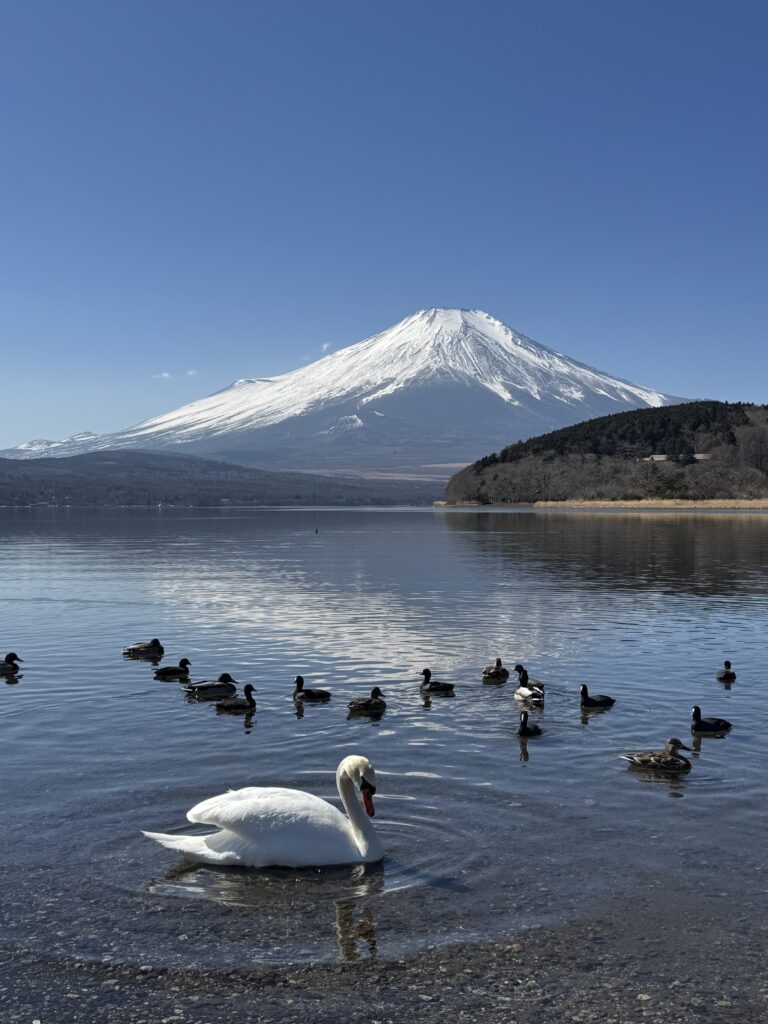
Hirano Beach
Located on the shores of Lake Yamanaka, Hirano Beach is one of the best spots to enjoy panoramic views of Mount Fuji. Known for its peaceful atmosphere and beautiful scenery, it is especially popular for photography, sunrise views, and seasonal reflections of the mountain on the lake.
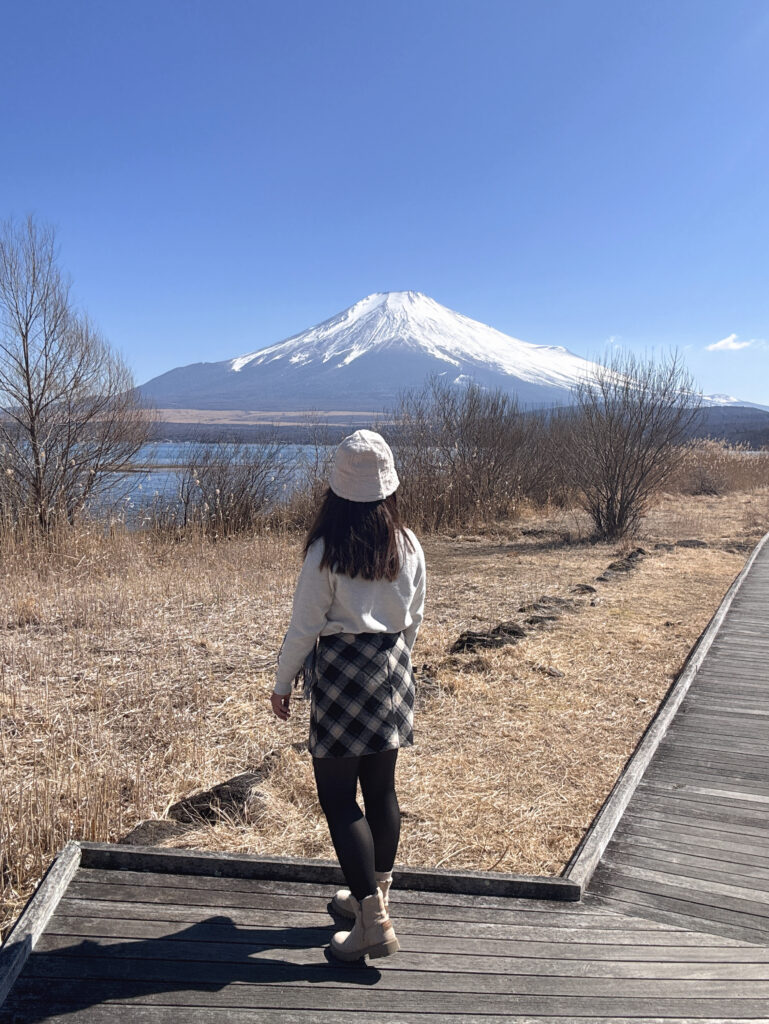
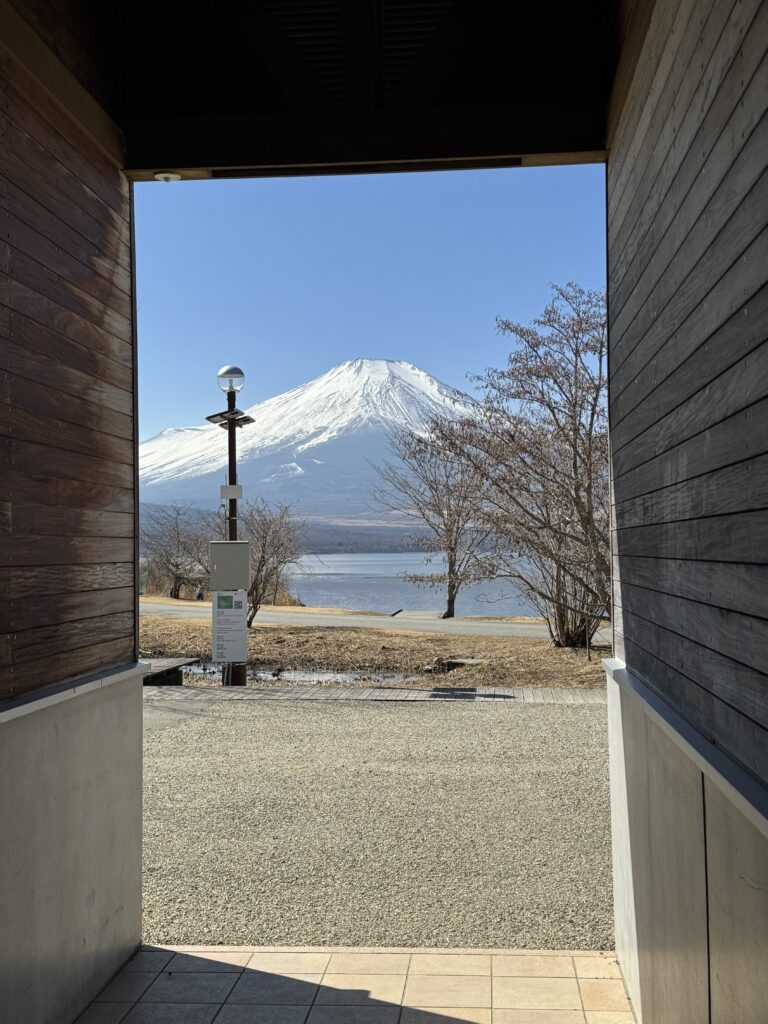
Yamanakako Communication Plaza Kirara
A spacious lakeside park on the shores of Lake Yamanaka, Kirara is known for its open spaces and stunning views of Mount Fuji. It is a great place for a relaxing walk, photography, or simply enjoying the peaceful scenery of the Fuji area.
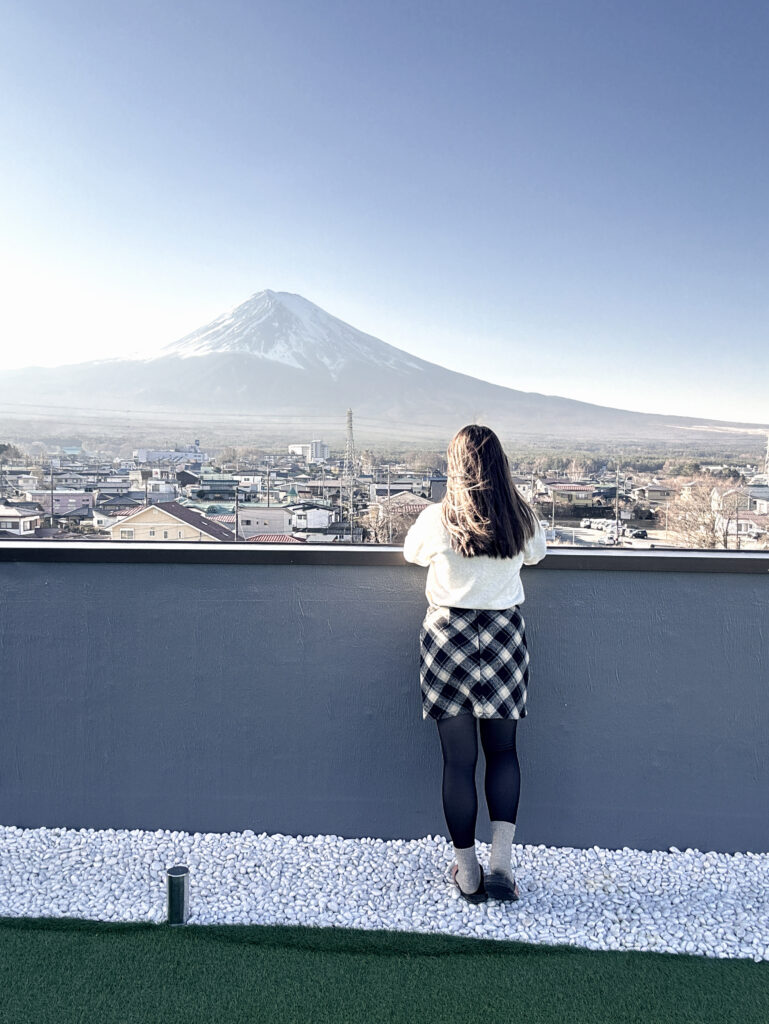
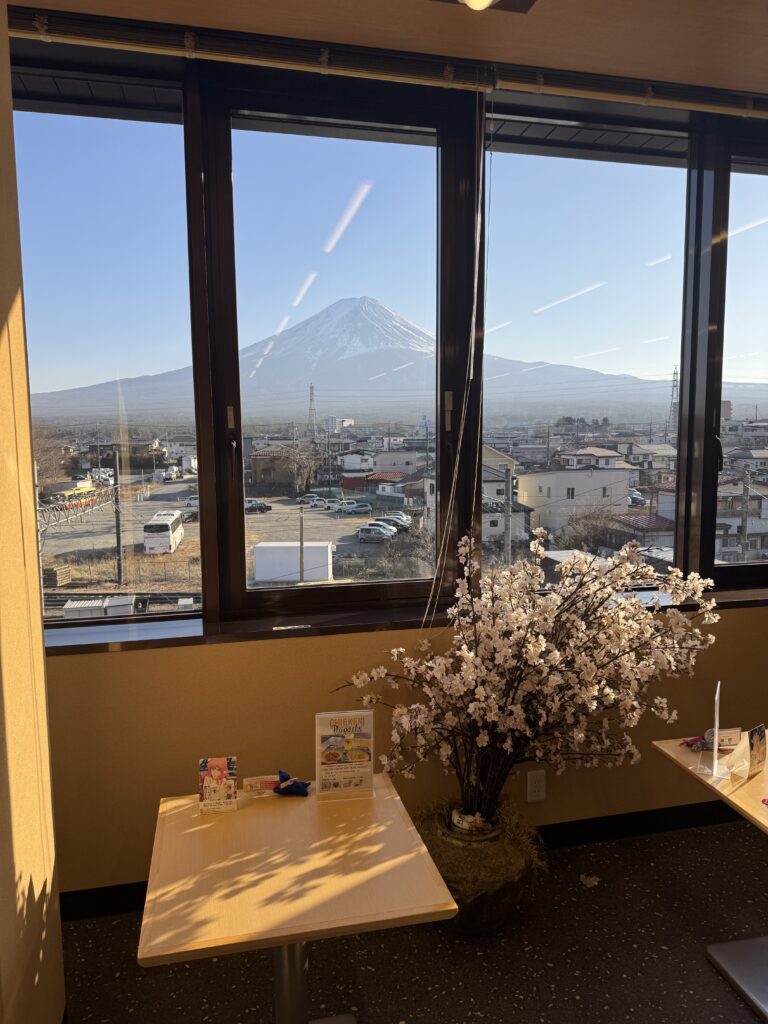
Tourist Base Cafe
A great place to take a break while exploring the Fuji area. Visitors can enjoy coffee, light meals, and beautiful views of Mount Fuji in a relaxed and welcoming atmosphere.
Day 10 – Tokyo
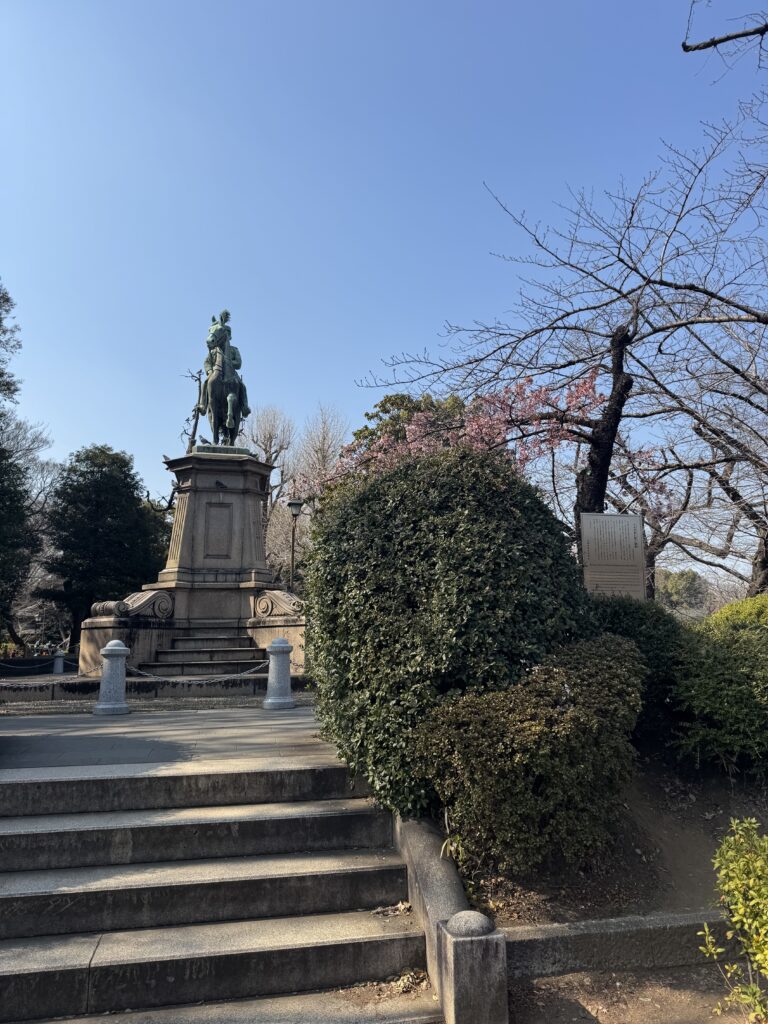
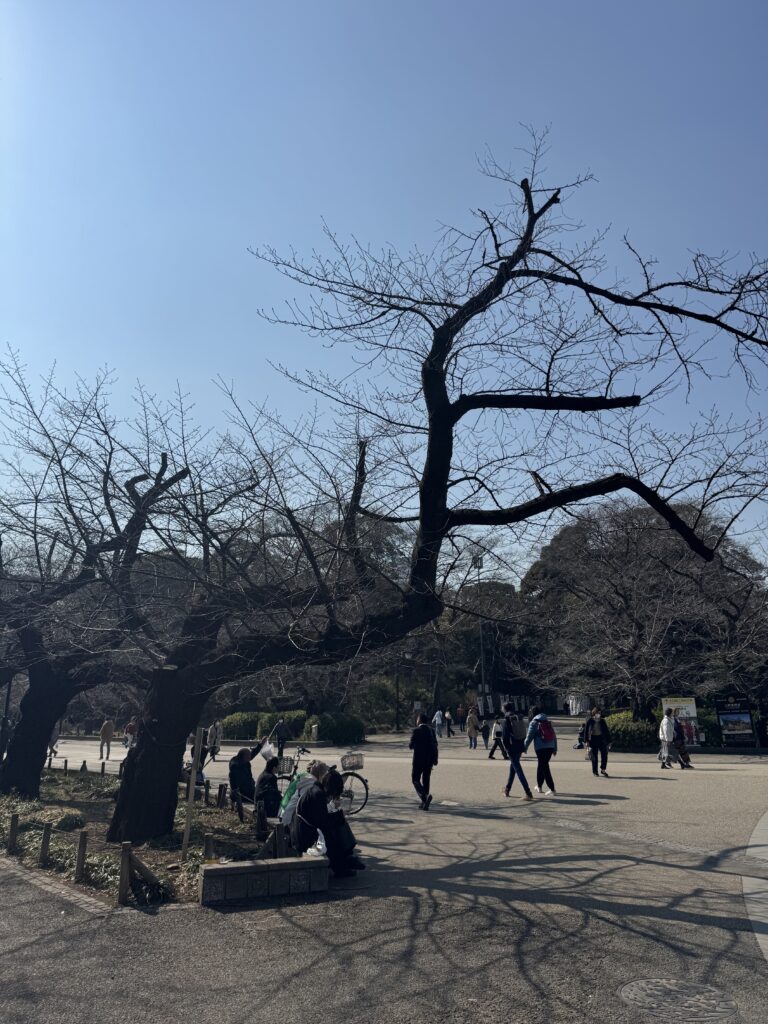
Ueno Park
One of Tokyo’s most popular public parks, Ueno Park is home to museums and temples. It is especially famous during cherry blossom season, when thousands of visitors gather to enjoy the blooming sakura trees.
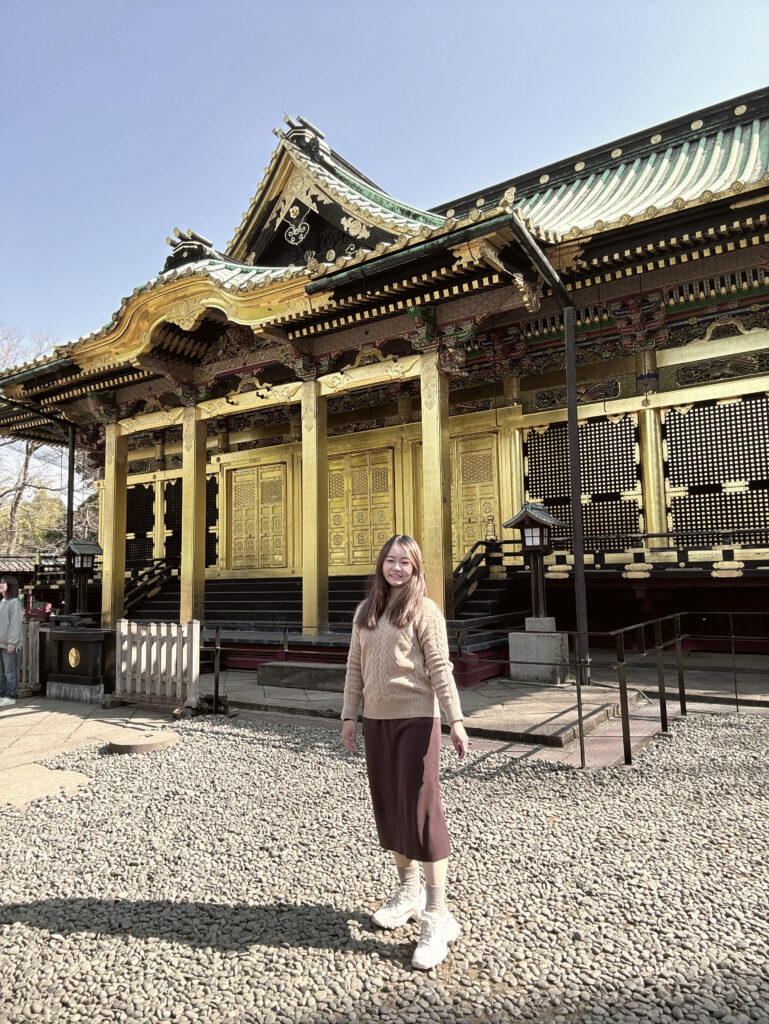
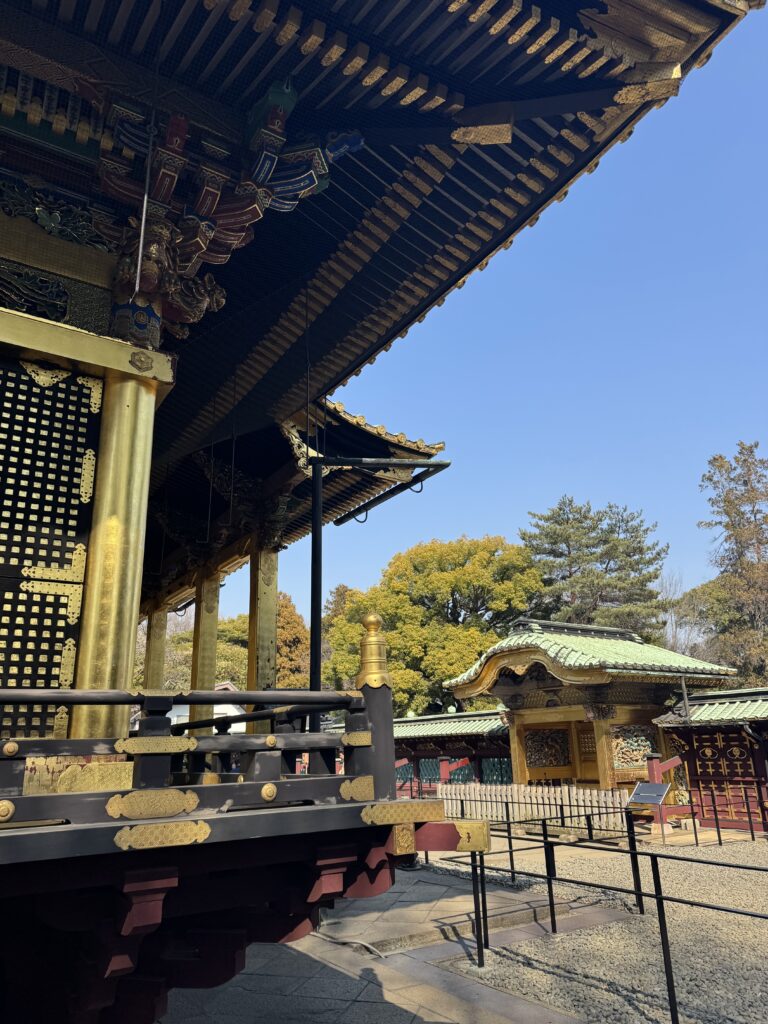
Ueno Toshogu Shrine
A historic shrine located within Ueno Park, Ueno Toshogu Shrine was known for its beautifully preserved golden decorations and peaceful surroundings. It offers a glimpse into Japan’s rich history and culture.
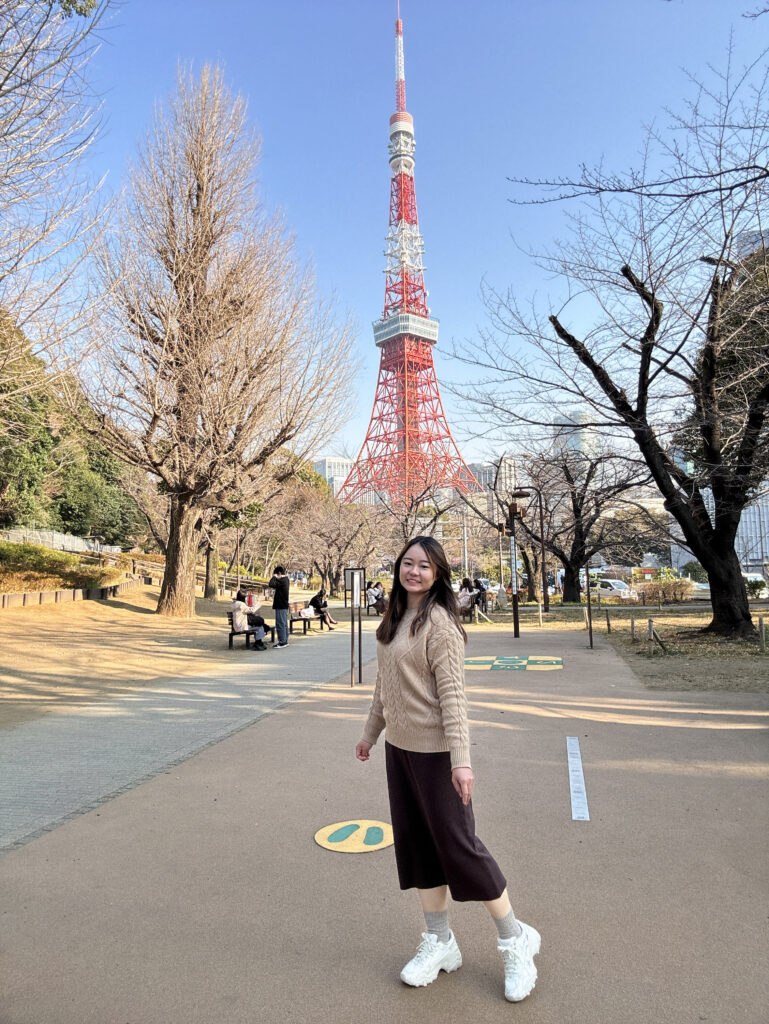
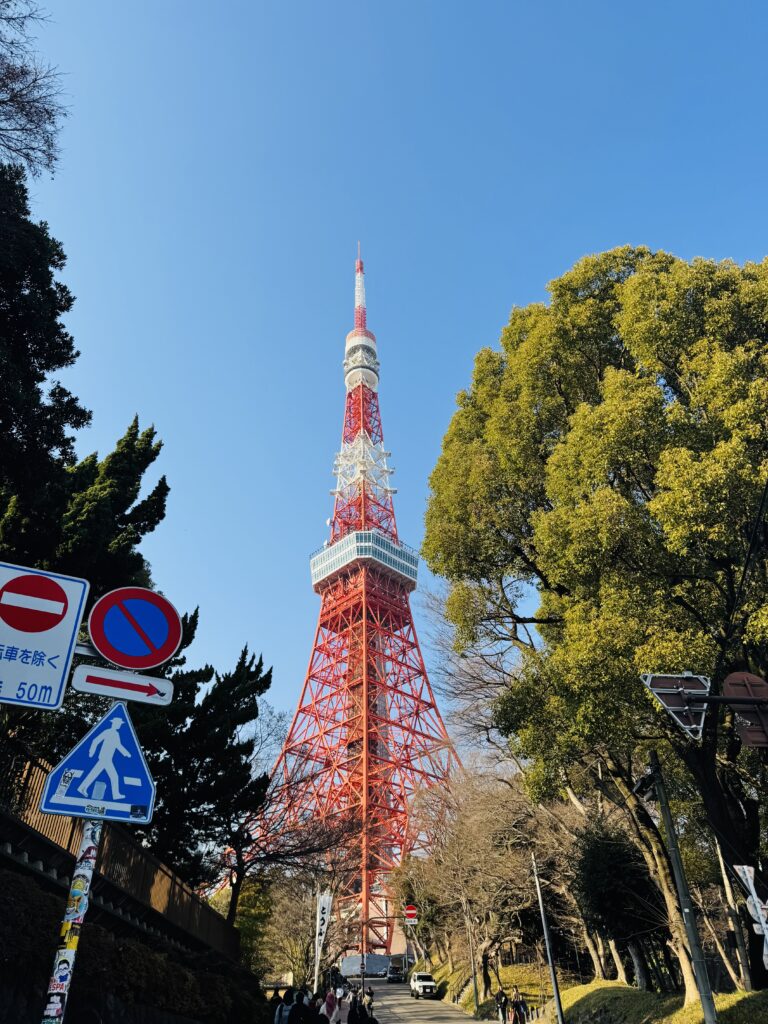
Tokyo Tower
One of Tokyo’s most iconic landmarks, Tokyo Tower offers panoramic views of the city from its observation decks. Inspired by the Eiffel Tower, it is especially beautiful at night when the tower is illuminated against the city skyline.
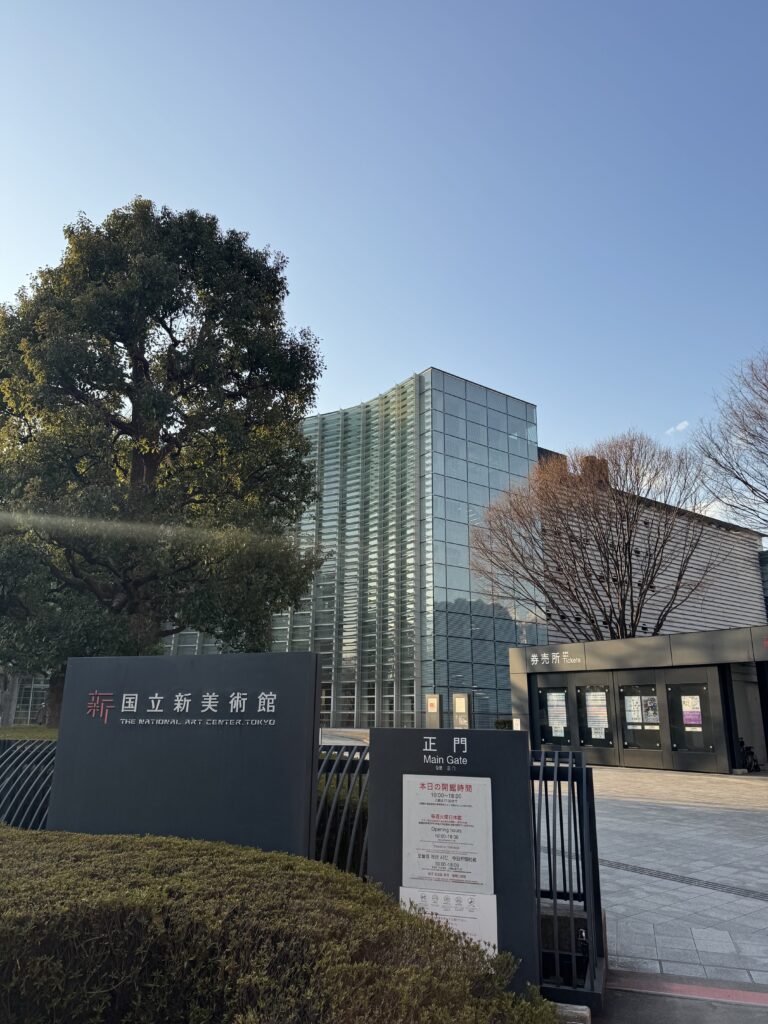
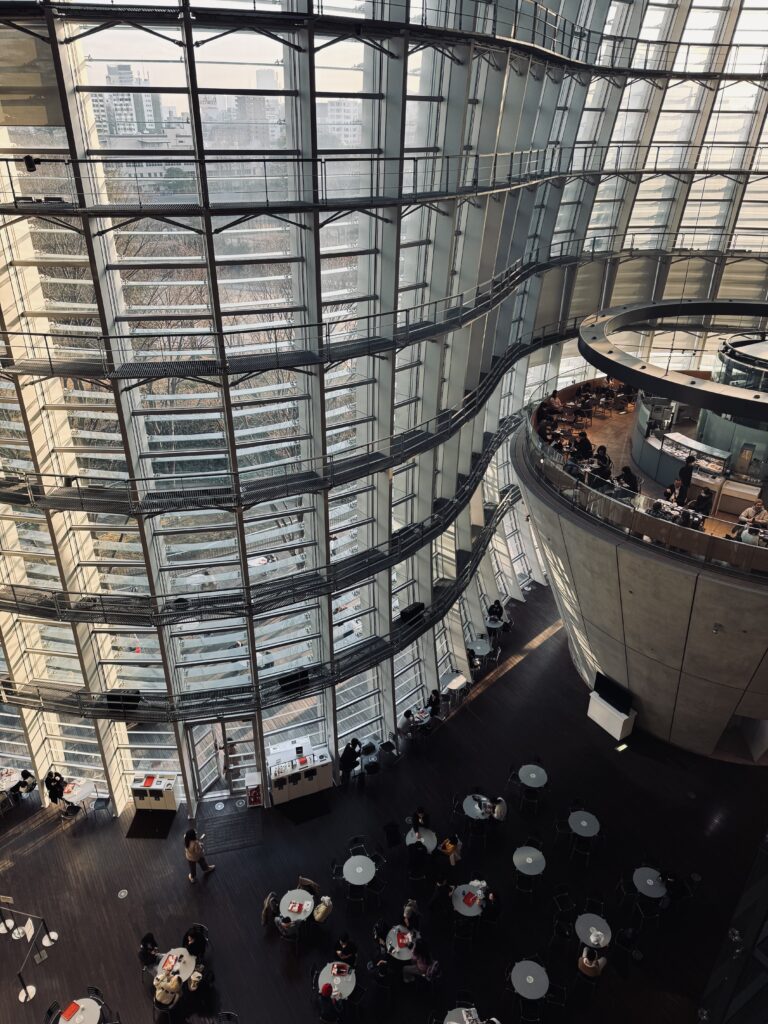
National Art Center
One of Japan’s largest art museums, The National Art Center is known for its unique wave shaped glass architecture and rotating exhibitions. With no permanent collection, visitors can enjoy a wide variety of art and cultural displays throughout the year.
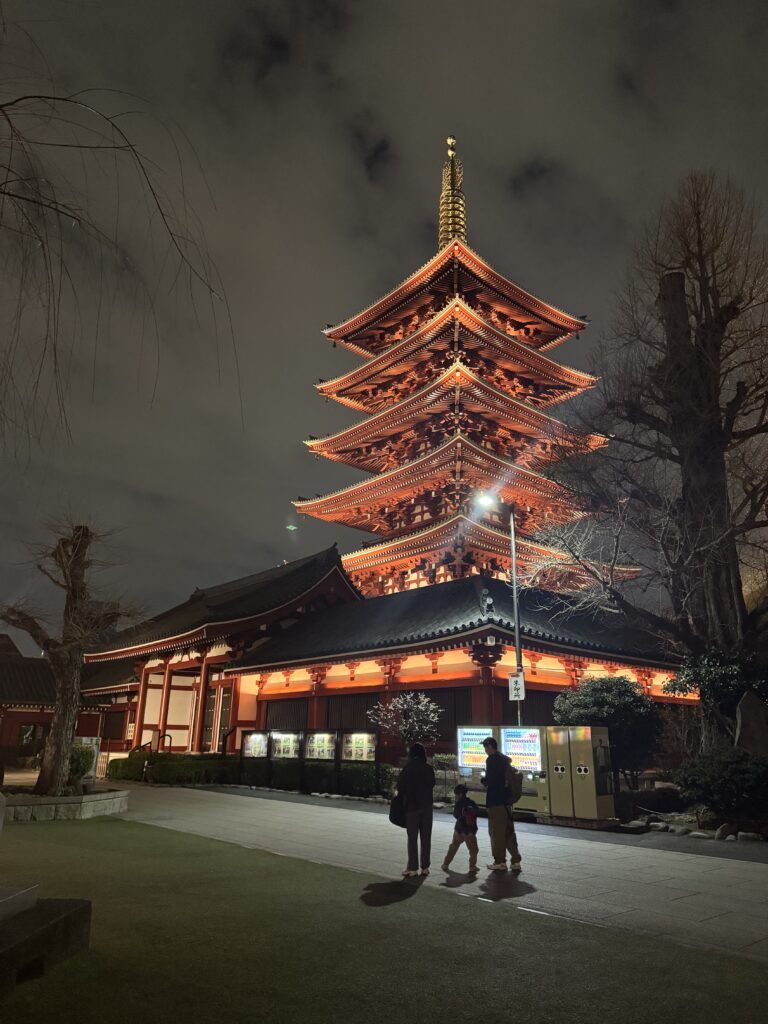
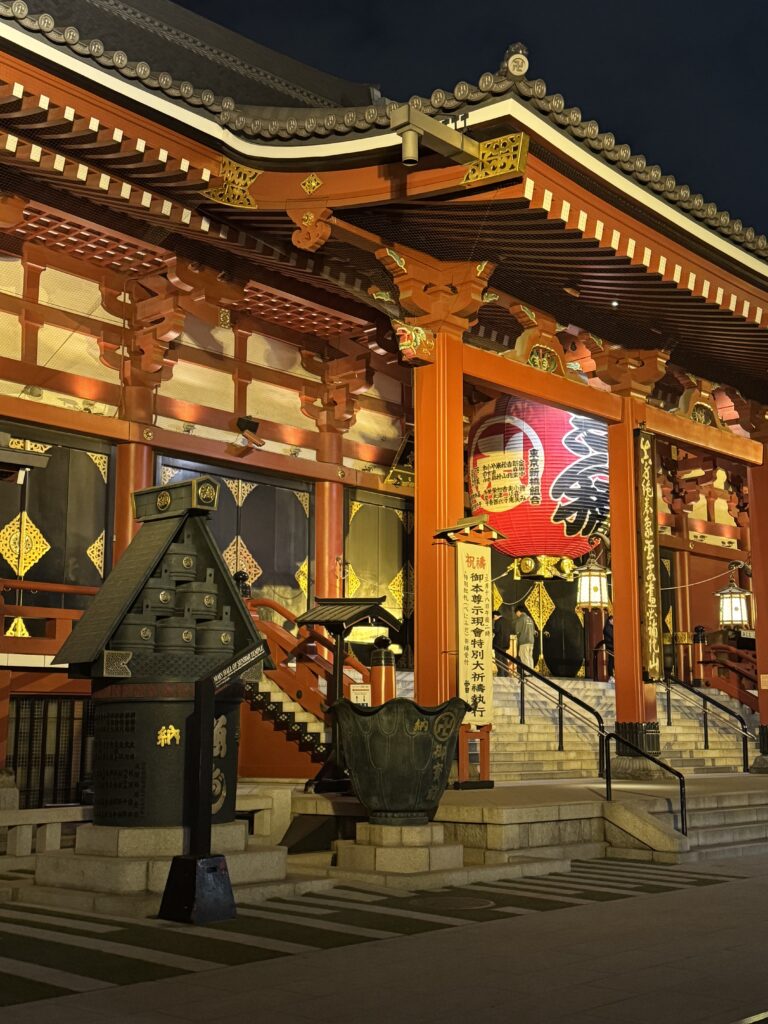
Senso-ji Temple + Kaminarimon Gate
Senso-ji is Tokyo’s oldest and most famous Buddhist temple, attracting millions of visitors each year. The journey begins at Kaminarimon Gate, known for its giant red lantern, before leading to Nakamise Street, where visitors can explore traditional snacks, souvenirs, and the rich culture of old Tokyo.
Day 11 – Tokyo

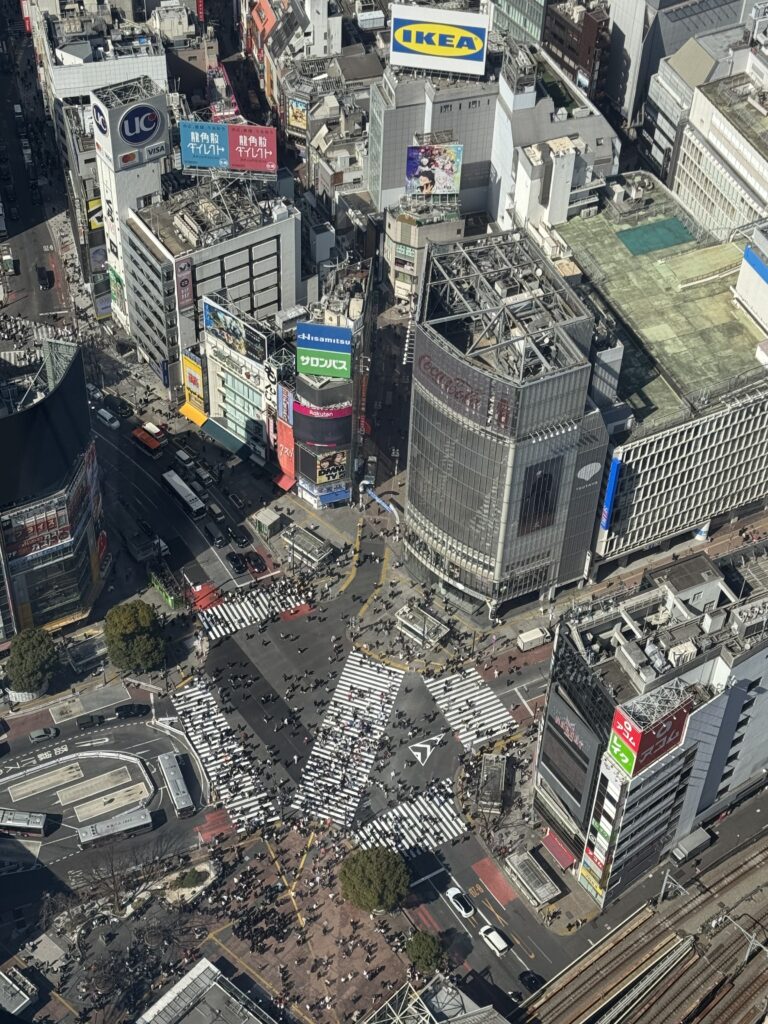
Shibuya Sky
One of Tokyo’s most popular observation decks, Shibuya Sky offers breathtaking 360-degree views of the city skyline. Located atop Shibuya Scramble Square, it is especially stunning at sunset and after dark when Tokyo lights up below.
I booked my ticket in advance through Klook to secure my preferred time slot — popular slots, especially around sunset, can sell out fast! You can grab yours via this link 🔗Grab Your Ticket Here, and use code EXPLOREWITHCAI for extra savings (when eligible)!
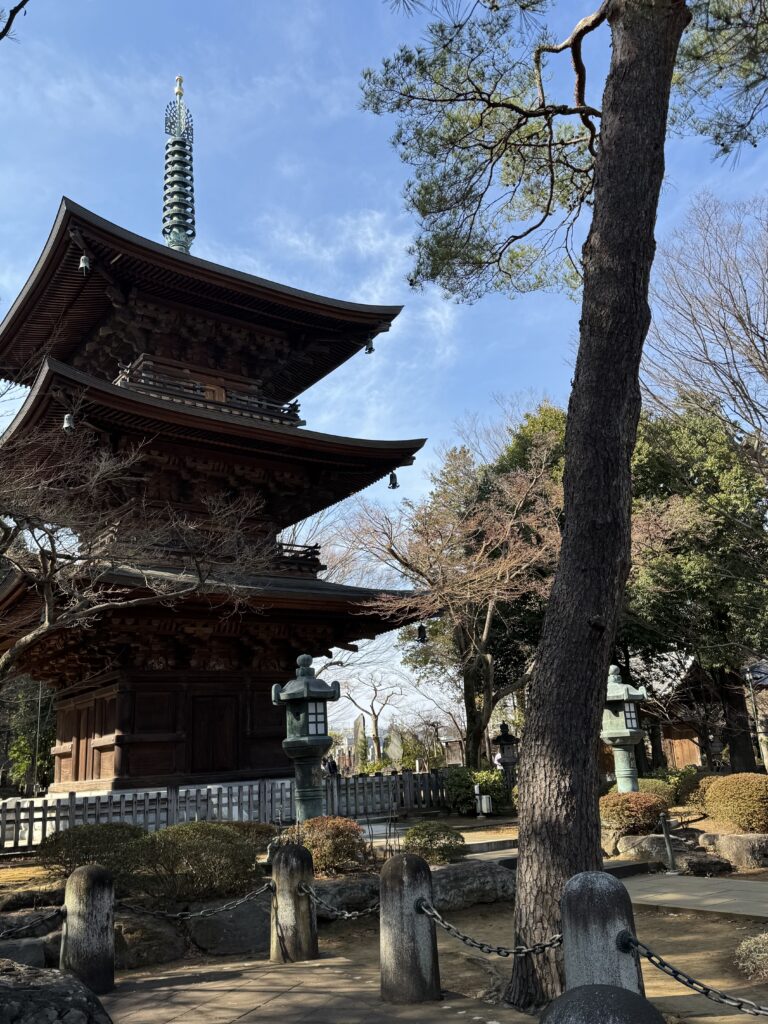
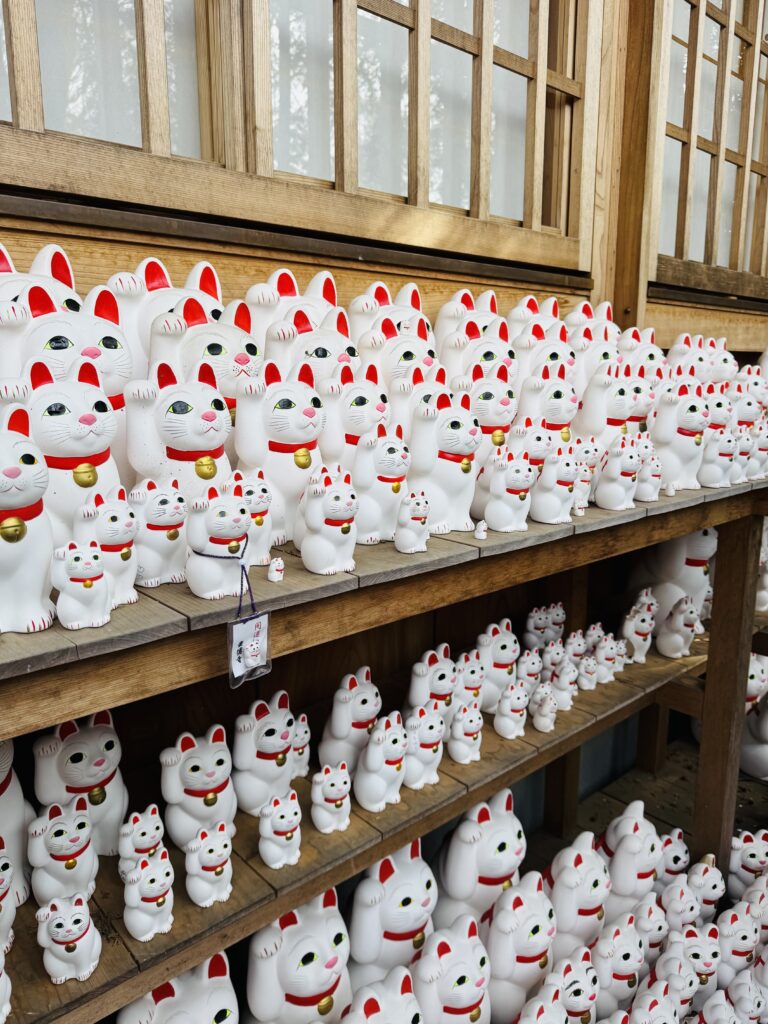
Gotokuji Temple
Famous as the birthplace of the lucky beckoning cat, or maneki-neko, Gotokuji Temple is home to thousands of cat figurines left by visitors. With its peaceful grounds and unique charm, it is a popular spot for cat lovers and those seeking good fortune.
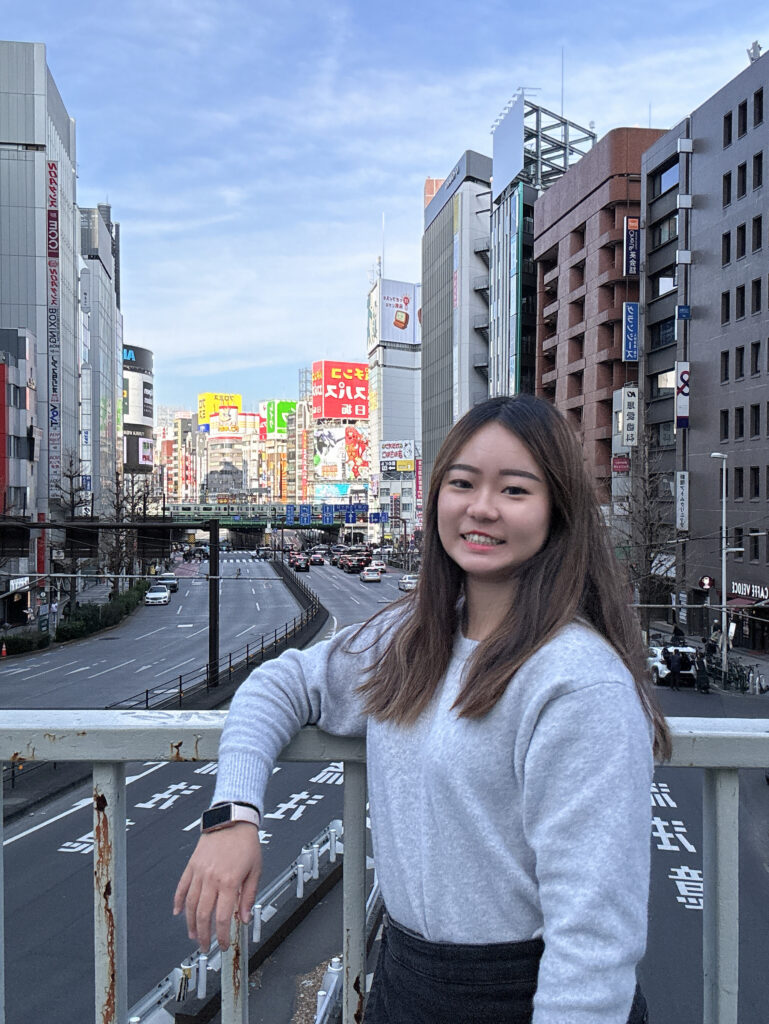
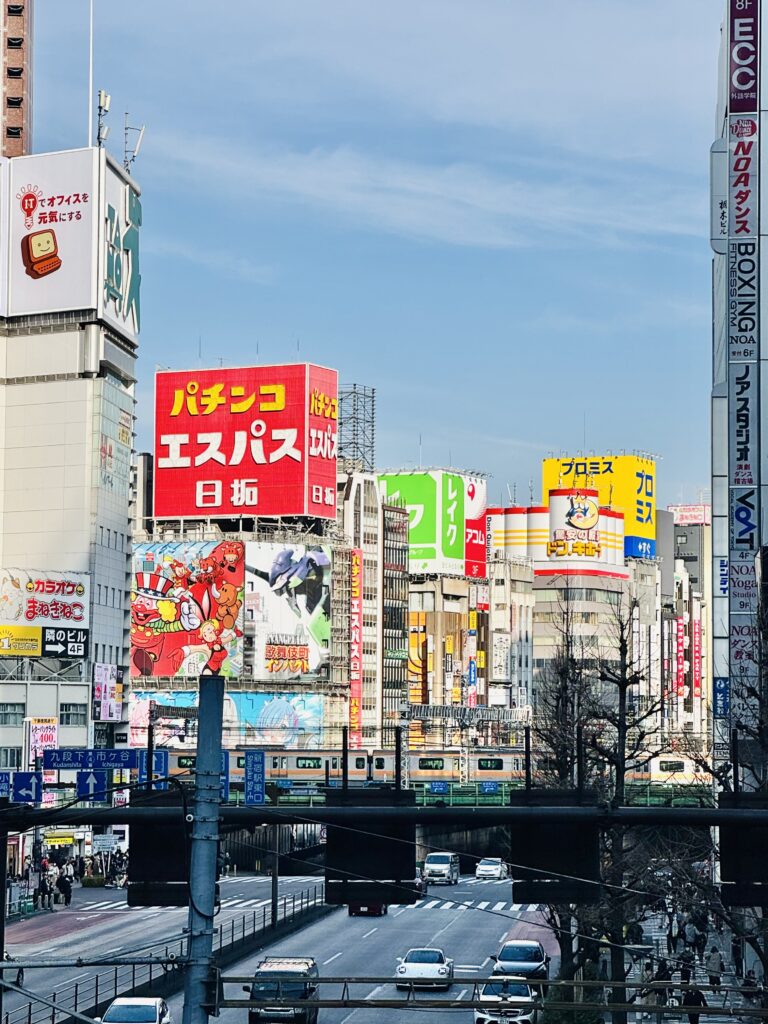
Shintoshin Pedestrian Bridge
A popular viewpoint in Shinjuku, this pedestrian bridge offers a great view of Tokyo’s modern skyline, including the surrounding skyscrapers and city lights. It is especially popular among photographers looking to capture the vibrant urban atmosphere of Tokyo.
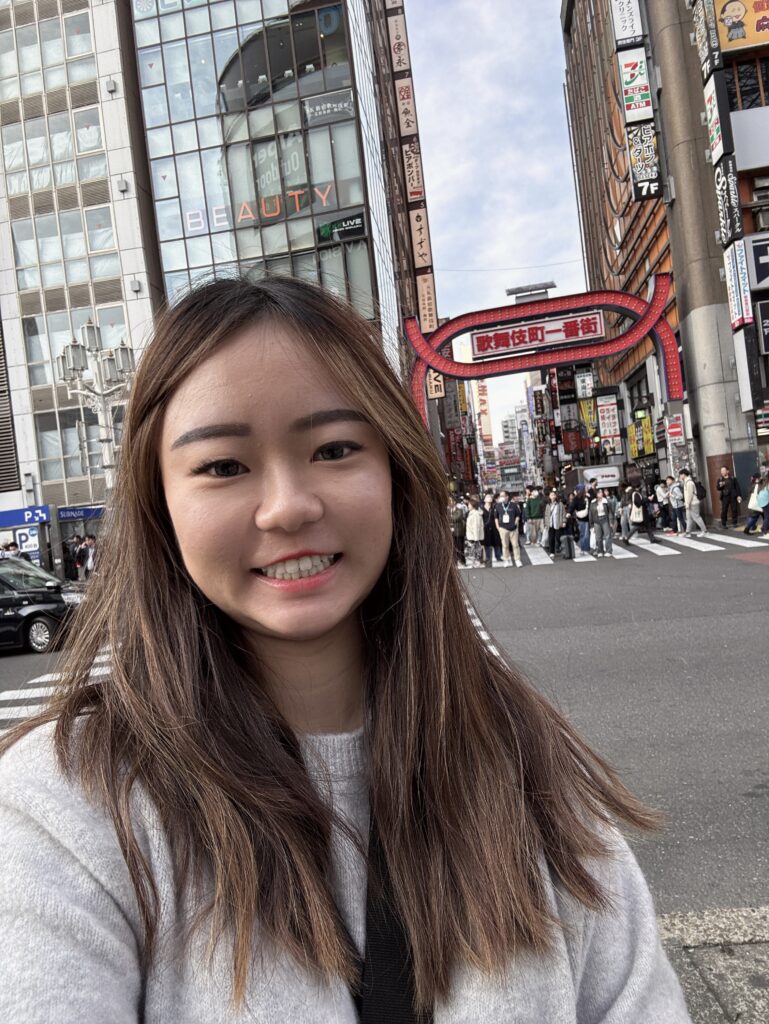
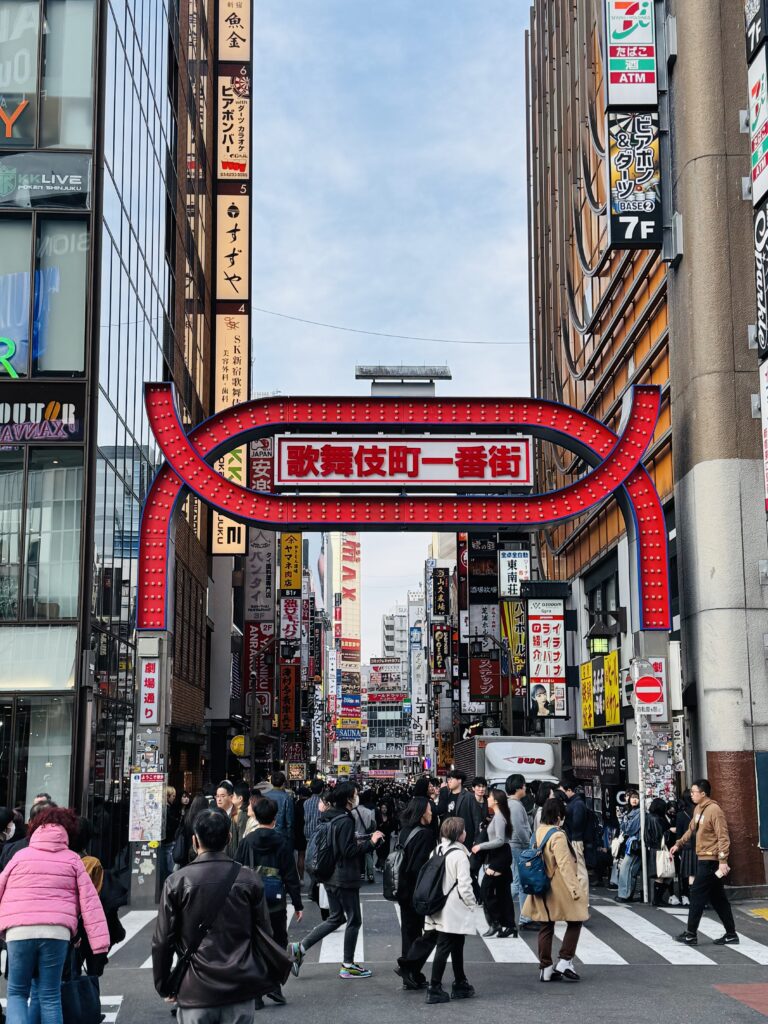
Kabukicho Ichibangai
Marked by its iconic red entrance arch, Kabukicho Ichibangai is the heart of Tokyo’s famous entertainment district in Shinjuku. Filled with bright neon lights, restaurants, bars, arcades, and nightlife spots, it offers a lively atmosphere that showcases Tokyo after dark.
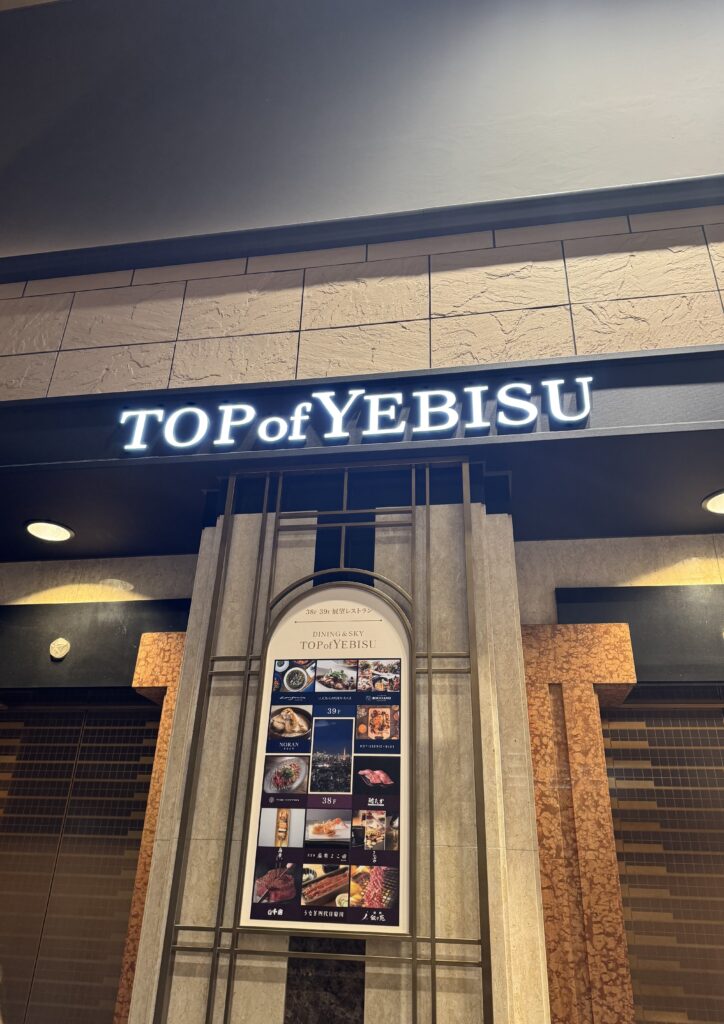
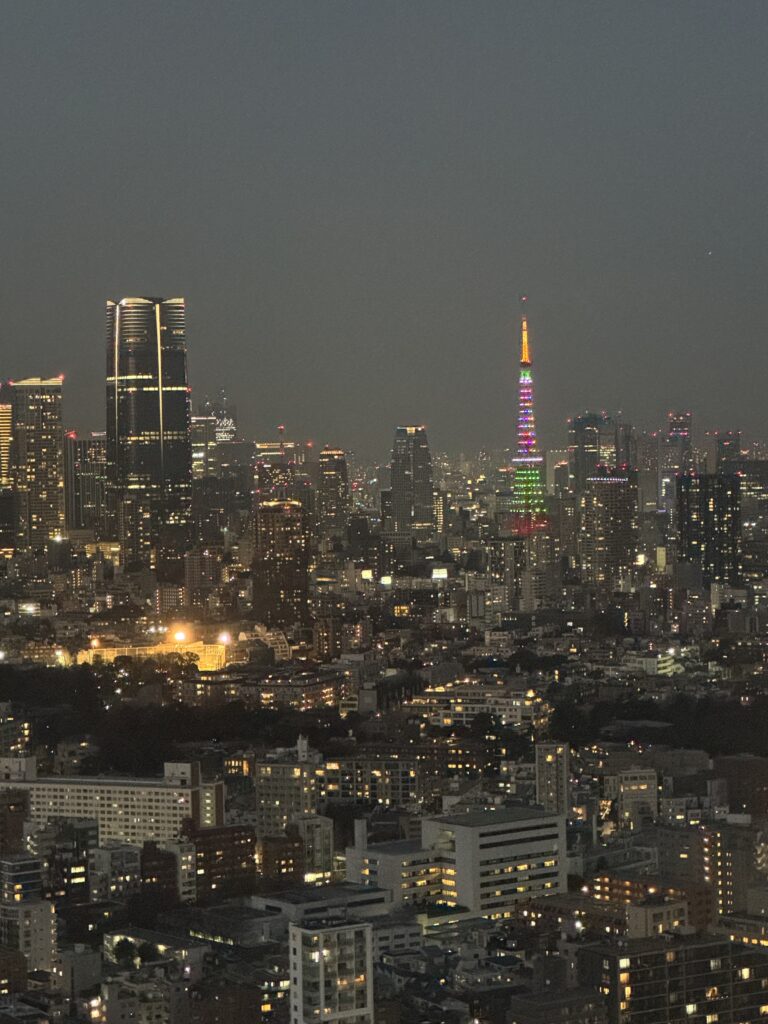
Yebisu Garden Place Sky Lounge
Located on the upper floors of Yebisu Garden Place, this free observation lounge offers panoramic views of Tokyo’s skyline. It is especially popular at sunset and night, when visitors can enjoy beautiful city lights in a relaxed atmosphere.
Day 12 – Yokohama + Tokyo
Yokohama
Yokohama’s four attractions below are great if you have extra time, but they’re not must visits. Most offer shopping, dining, city views, or photo spots that can be found elsewhere in Japan.
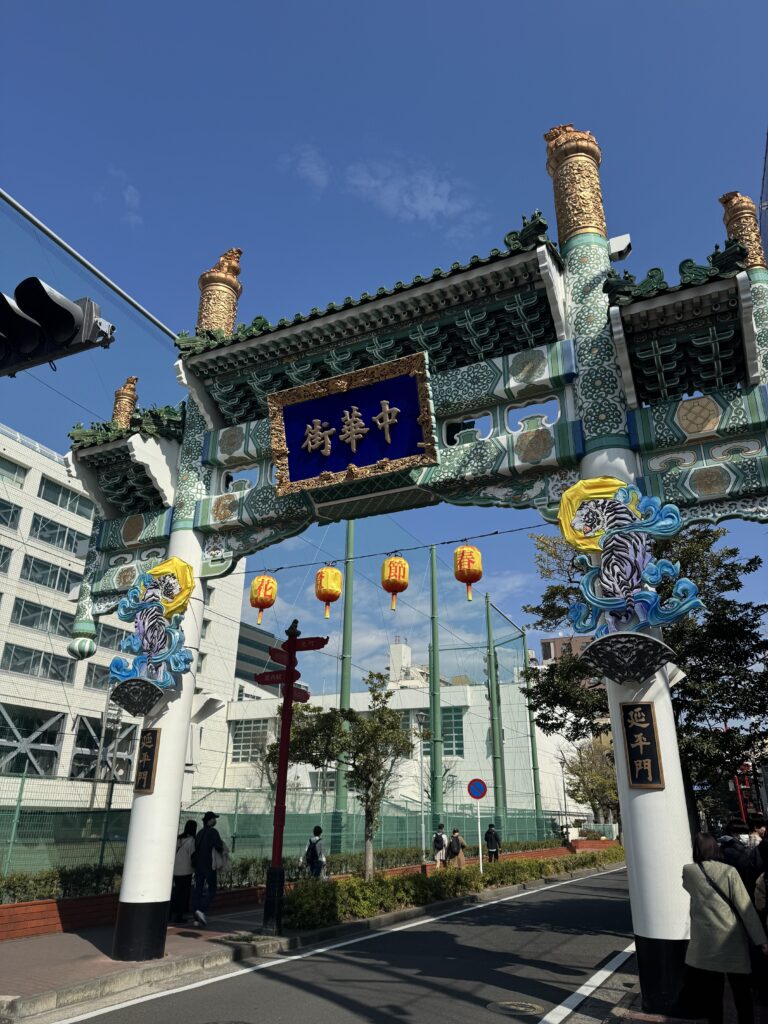
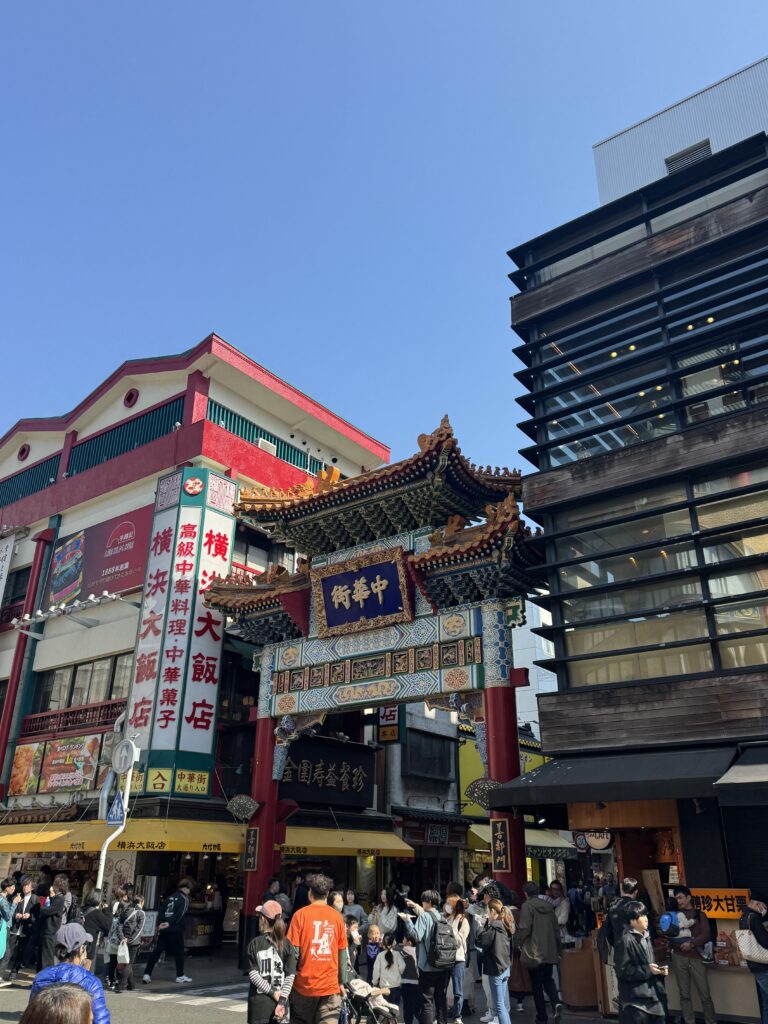
Yokohama Chinatown
Yokohama Chinatown is a vibrant district filled with colorful gates, Chinese temples, restaurants and food stalls. It is a great place to enjoy delicious Chinese cuisine, street food, and a lively cultural atmosphere.
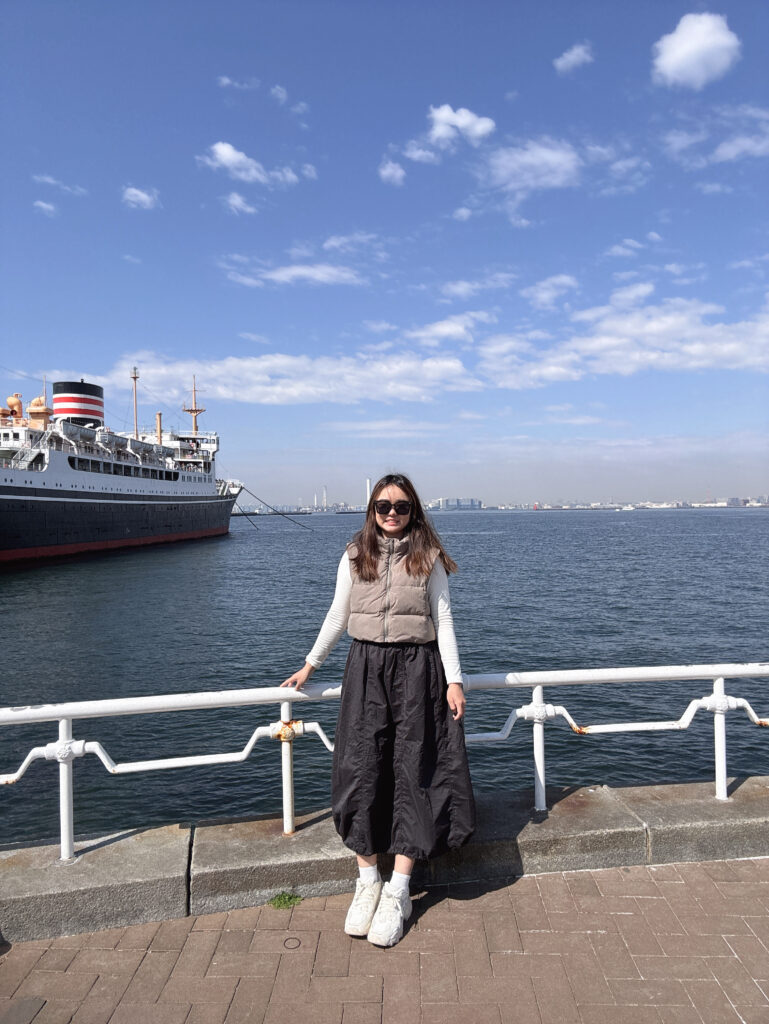
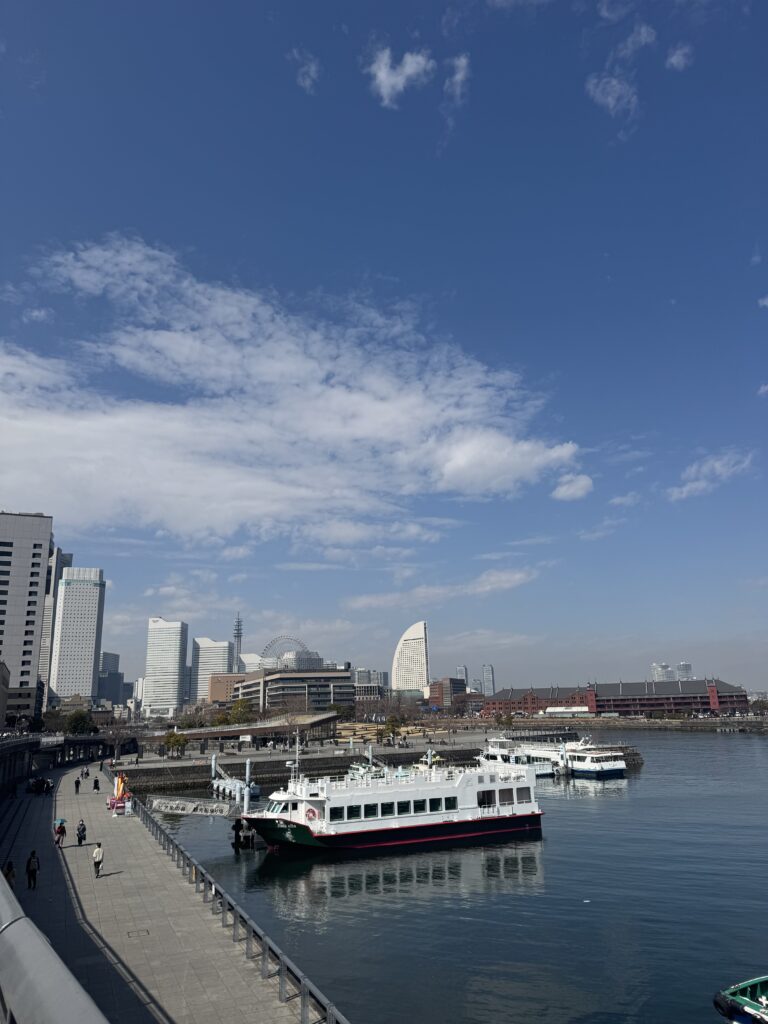
Yamashita Park
A popular waterfront park in Yokohama, Yamashita Park offers beautiful views of Yokohama Bay, passing ships, and the city skyline. With its wide walking paths, gardens, and relaxing atmosphere, it is a great place for a leisurely stroll by the sea.
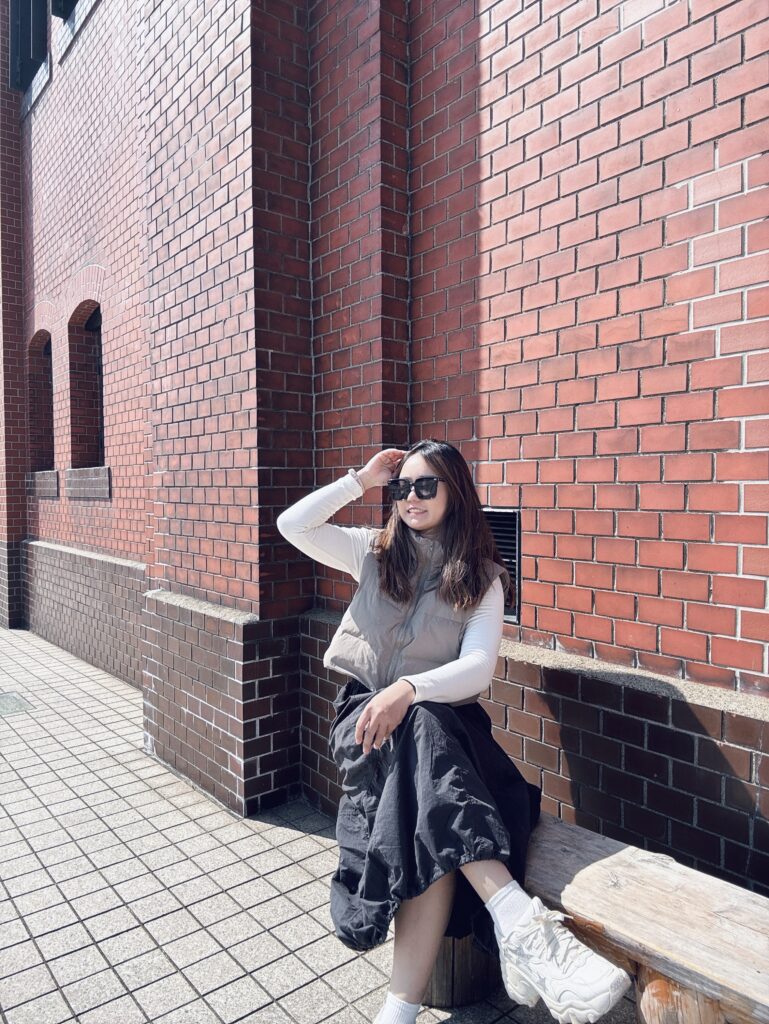
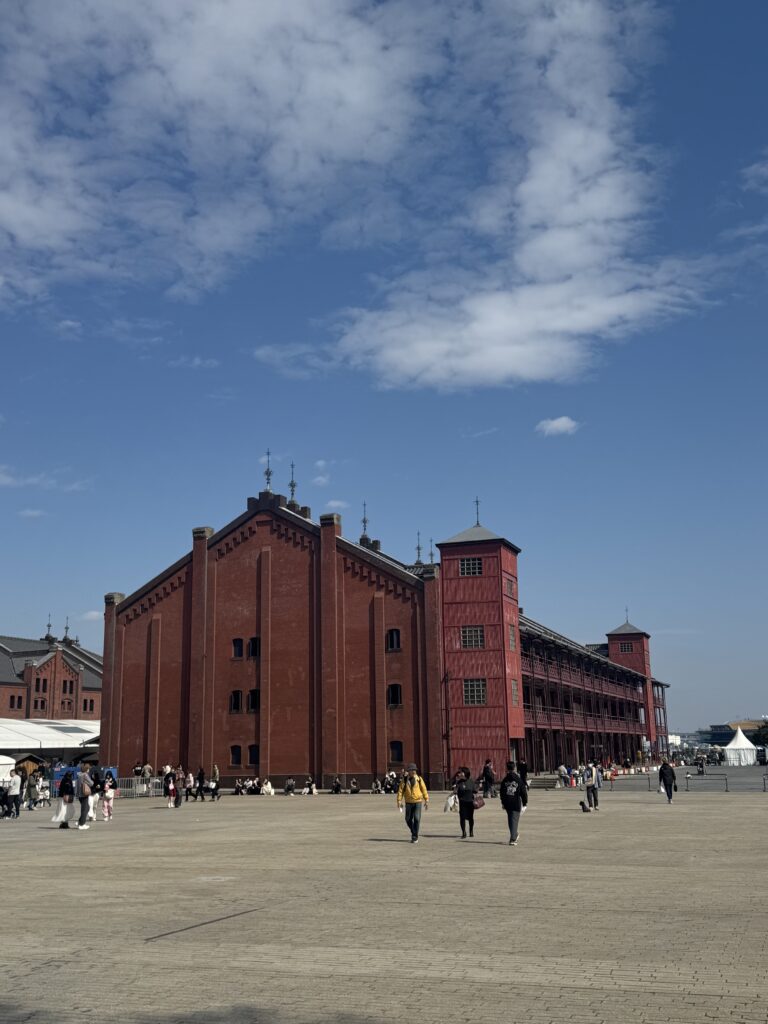
Red Brick Warehouse
A historic waterfront landmark that has been transformed into a popular shopping and dining destination. Known for its distinctive red brick architecture, the warehouse is home to unique shops, cafés, seasonal events, and beautiful views of Yokohama’s harbor.
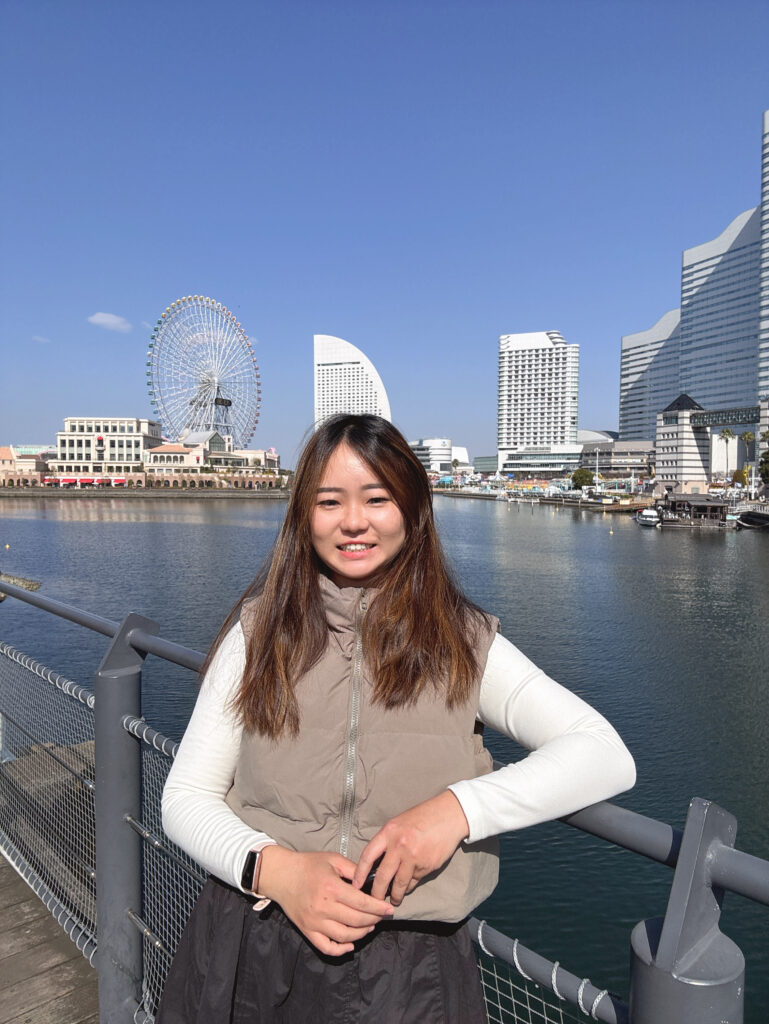
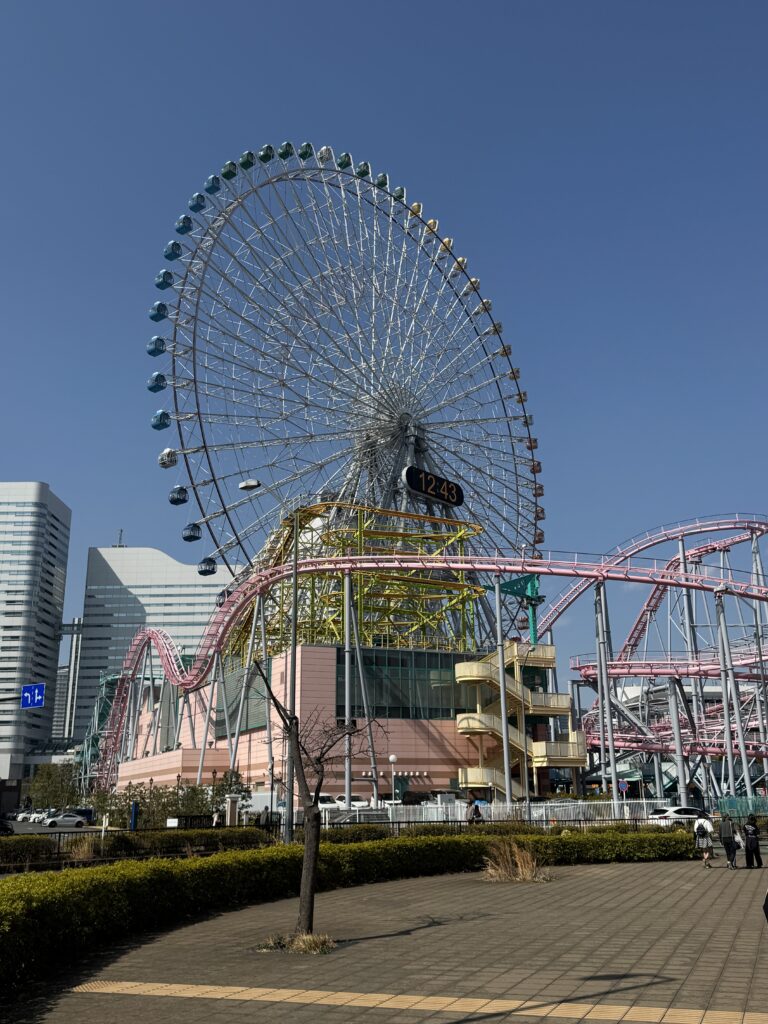
Minato Mirai + Cosmo Clock 21
Minato Mirai is Yokohama’s modern waterfront district, known for its impressive skyline, shopping malls, and entertainment attractions. One of its most iconic landmarks is Cosmo Clock 21, a giant Ferris wheel that offers beautiful views of the city, especially when illuminated at night.
Tokyo
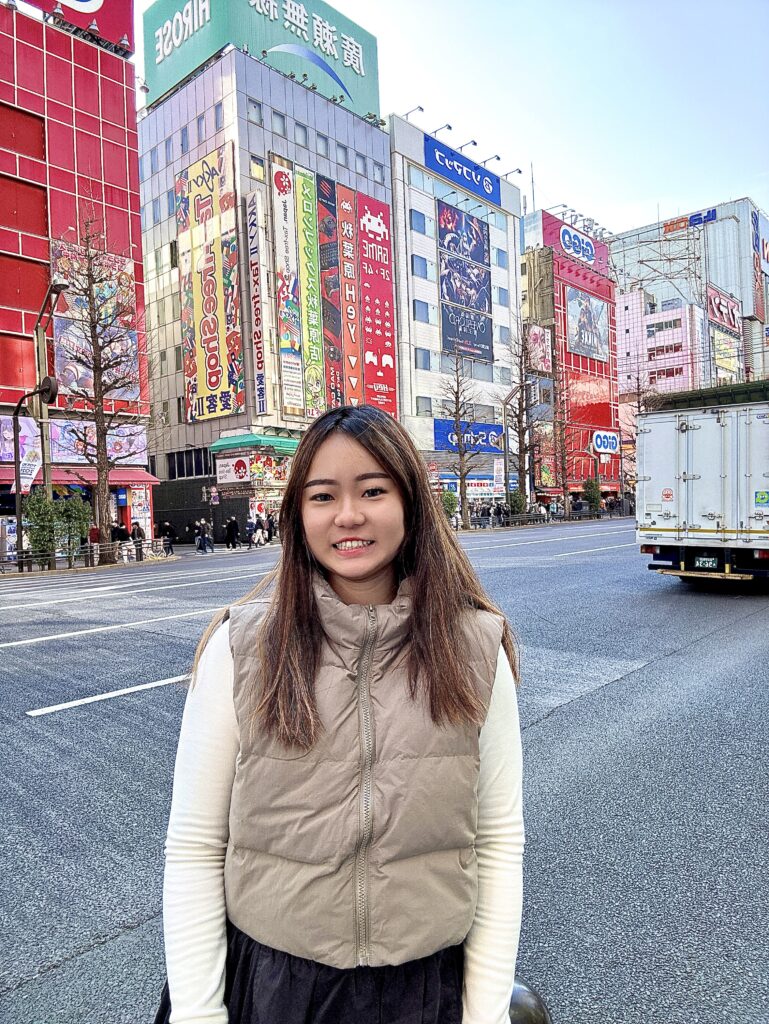
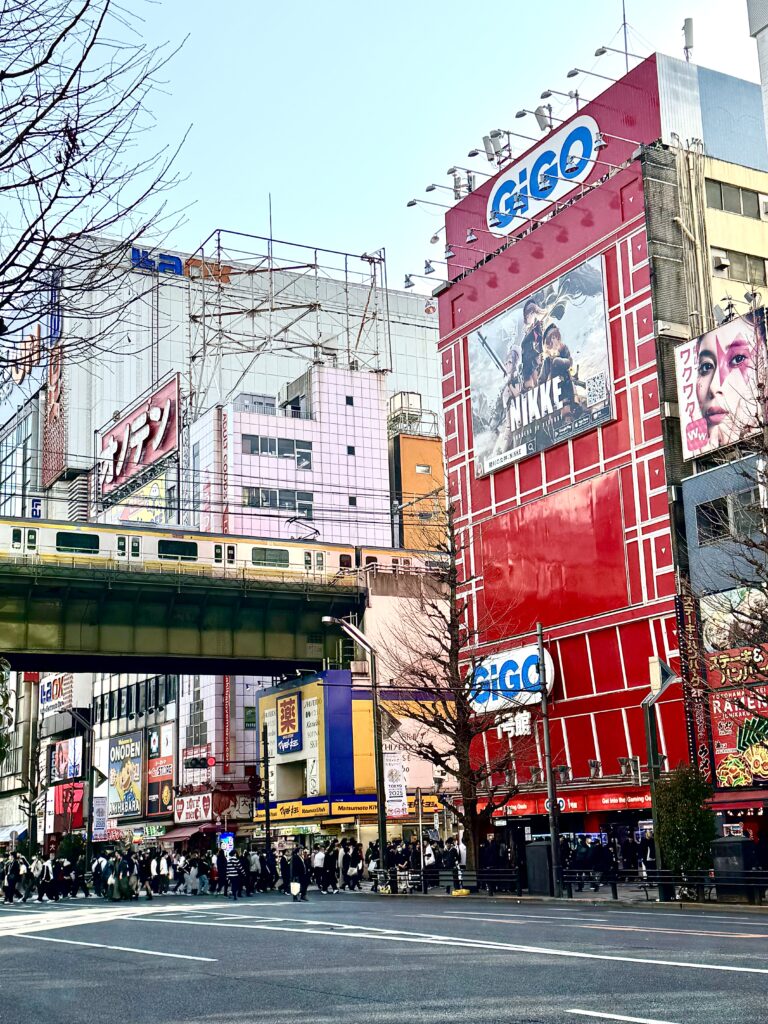
Akihabara
Known as Tokyo’s electric town, Akihabara is a paradise for anime, manga, gaming, and technology enthusiasts. Packed with electronics stores, themed cafés, arcades, and specialty shops, it offers a unique glimpse into Japan’s pop culture scene
Day 13 – Kamakura + Enoshima
Kamakura
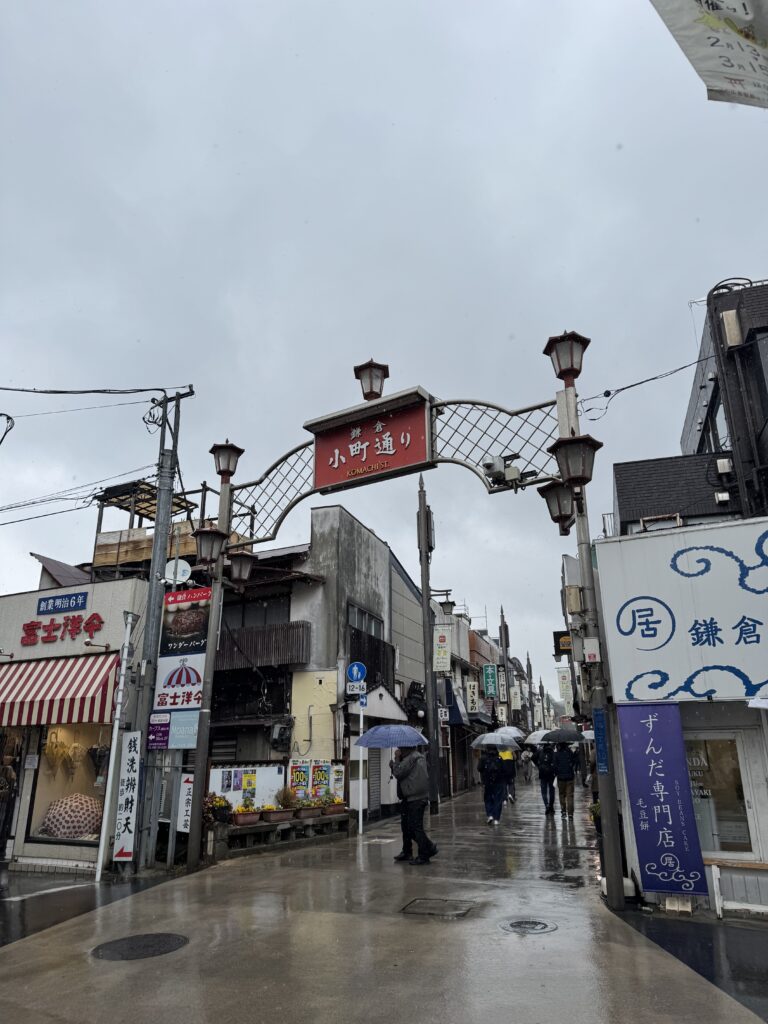
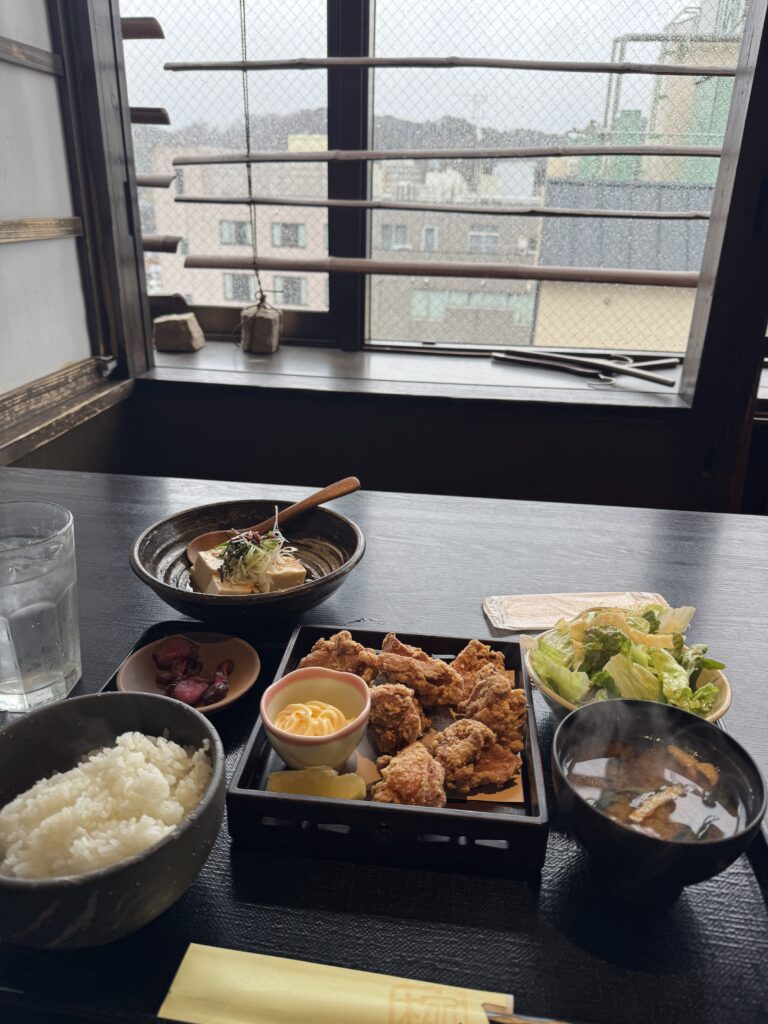
Komachi-dori Street
A lively shopping street in Kamakura, Komachi-dori is lined with local food stalls, cafes, souvenir shops, and restaurants. It is a great place to sample local snacks, shop for unique gifts, and experience the vibrant atmosphere of this historic town.
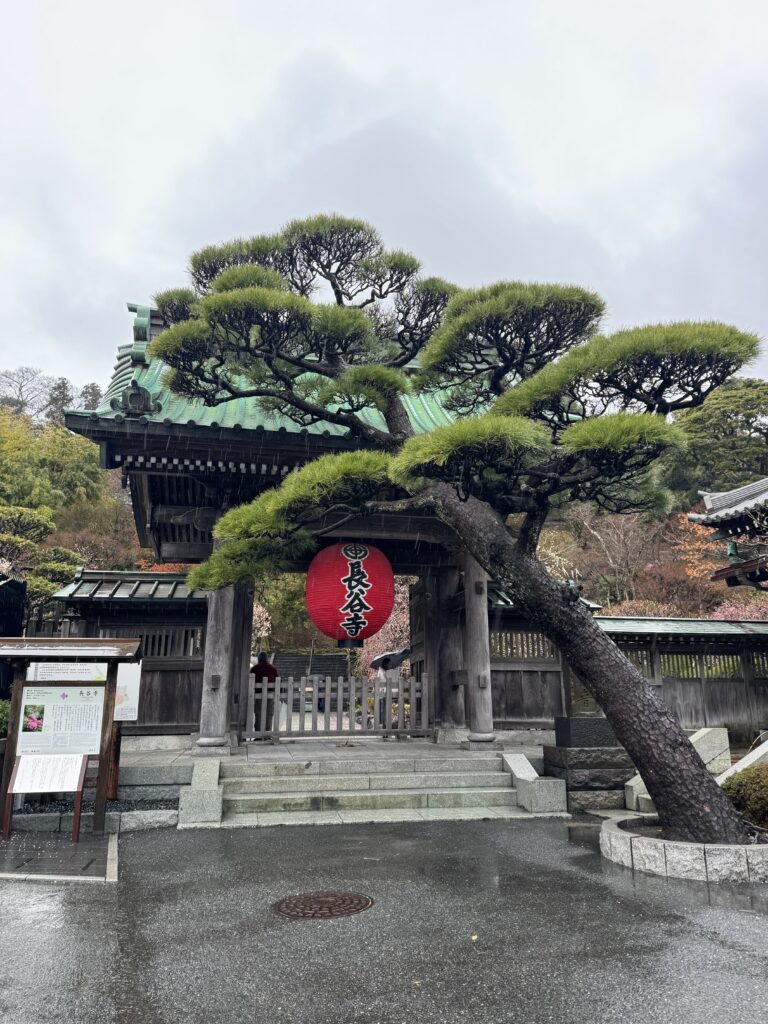
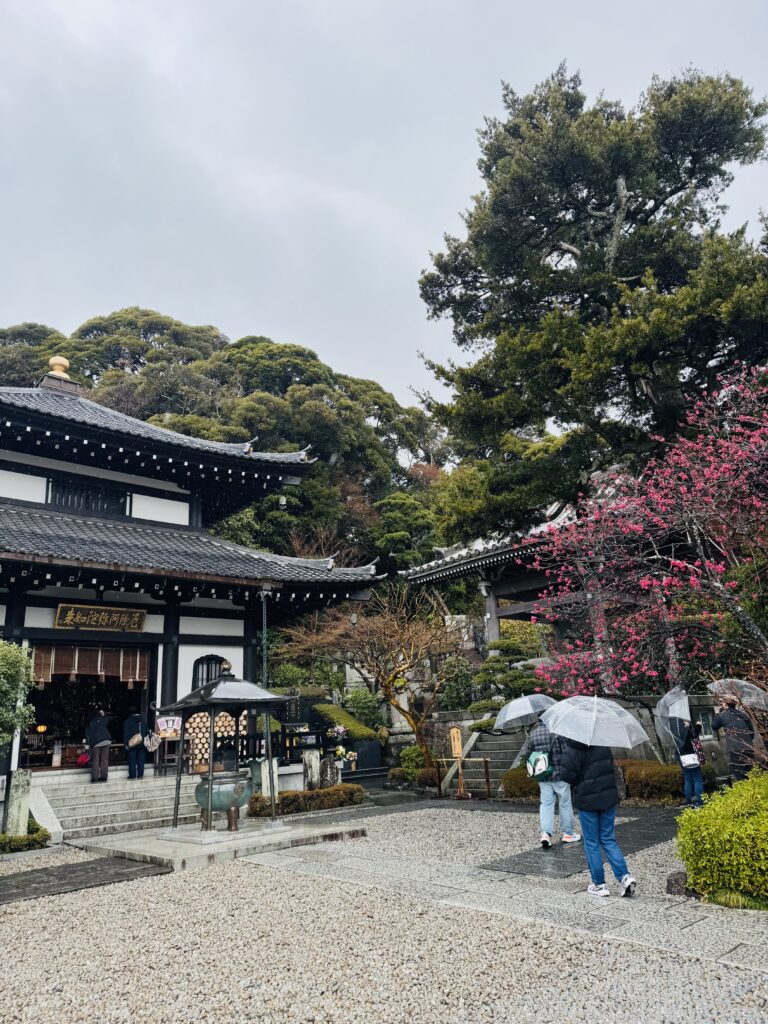
Hase-dera Temple
One of Kamakura’s most beautiful temples, Hase-dera is famous for its impressive wooden statue of Kannon, the Goddess of Mercy. The temple also offers stunning views of the coastline, beautiful gardens, and seasonal flowers throughout the year.
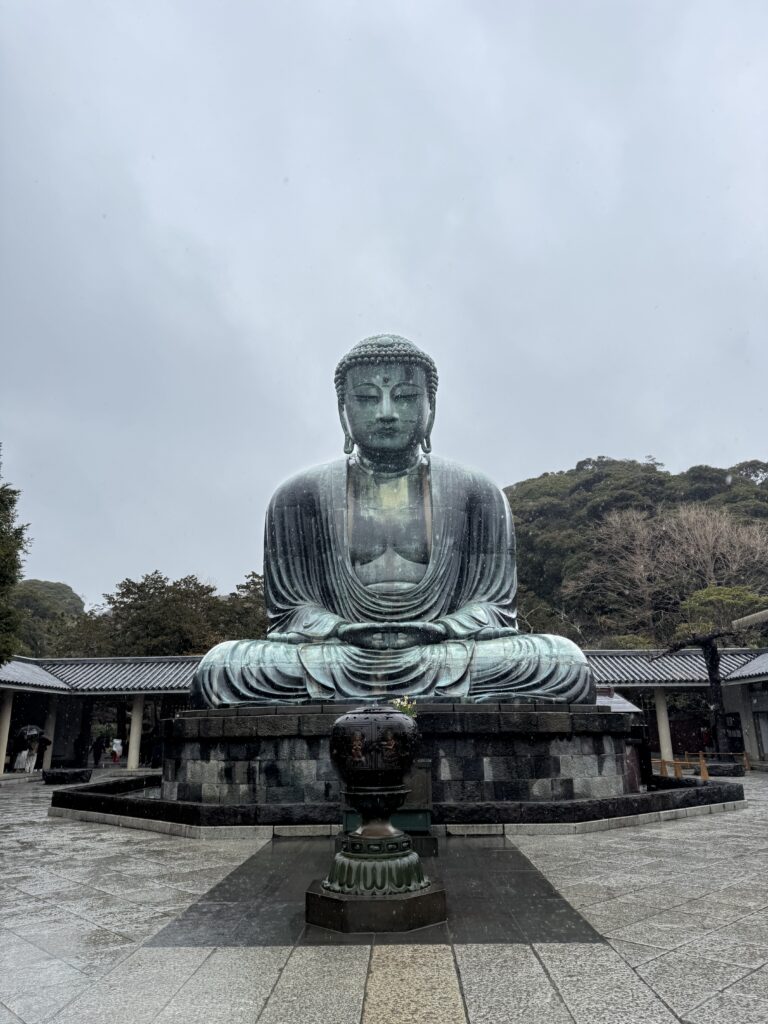
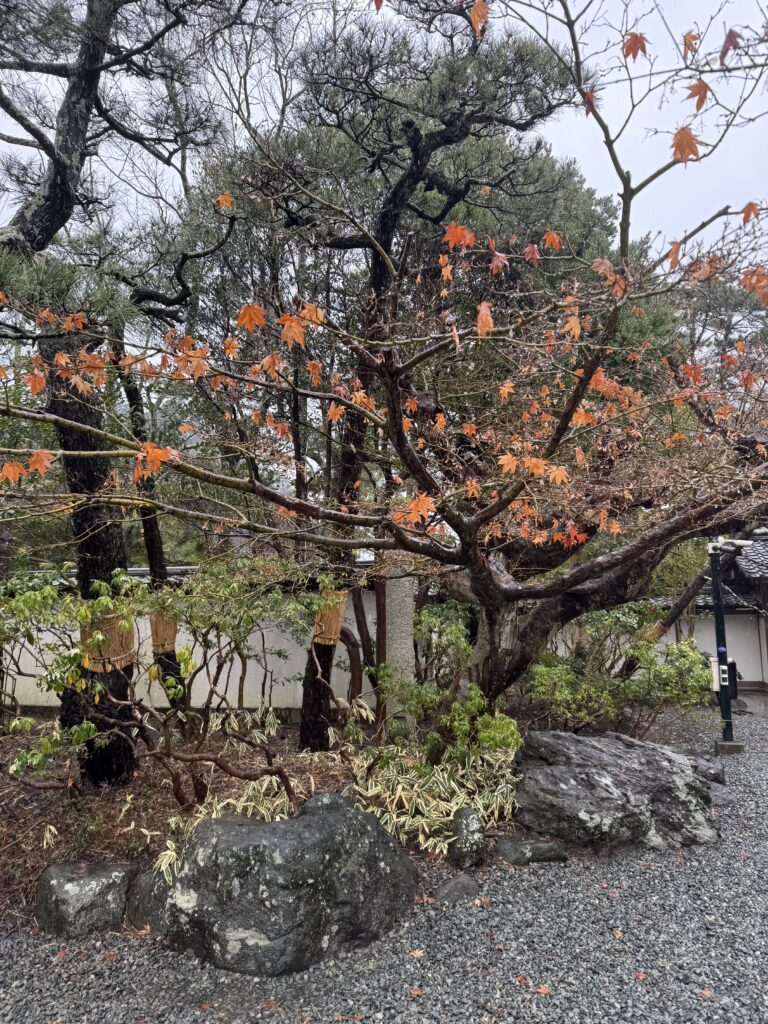
Great Buddha of Kamakura
One of Japan’s most famous landmarks, the Great Buddha of Kamakura is a massive bronze statue standing over 11 meters tall. Located at Kotoku-in Temple, it has been watching over Kamakura for centuries and is a must visit attraction for history and culture lovers.
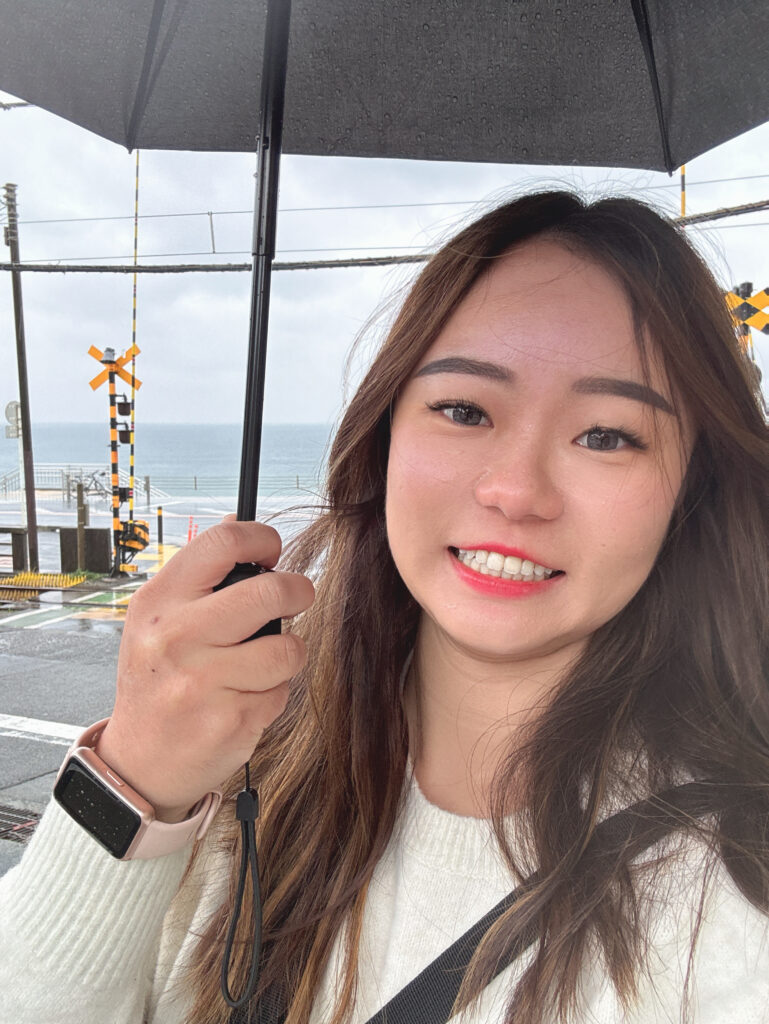
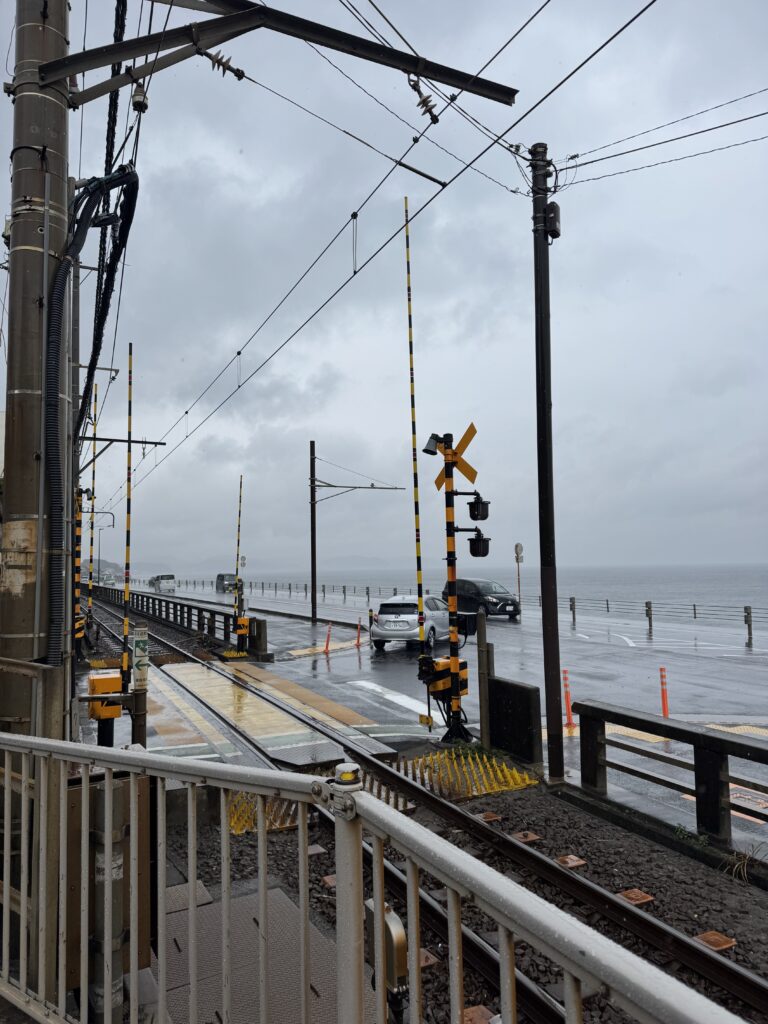
Kamakurakokomae Station
One of Japan’s most famous train stations, Kamakurakokomae Station is known for its beautiful coastal views and its appearance in the popular anime Slam Dunk. Visitors often stop here to enjoy the scenery and take photos of the railway crossing with the ocean in the background.
Enoshima
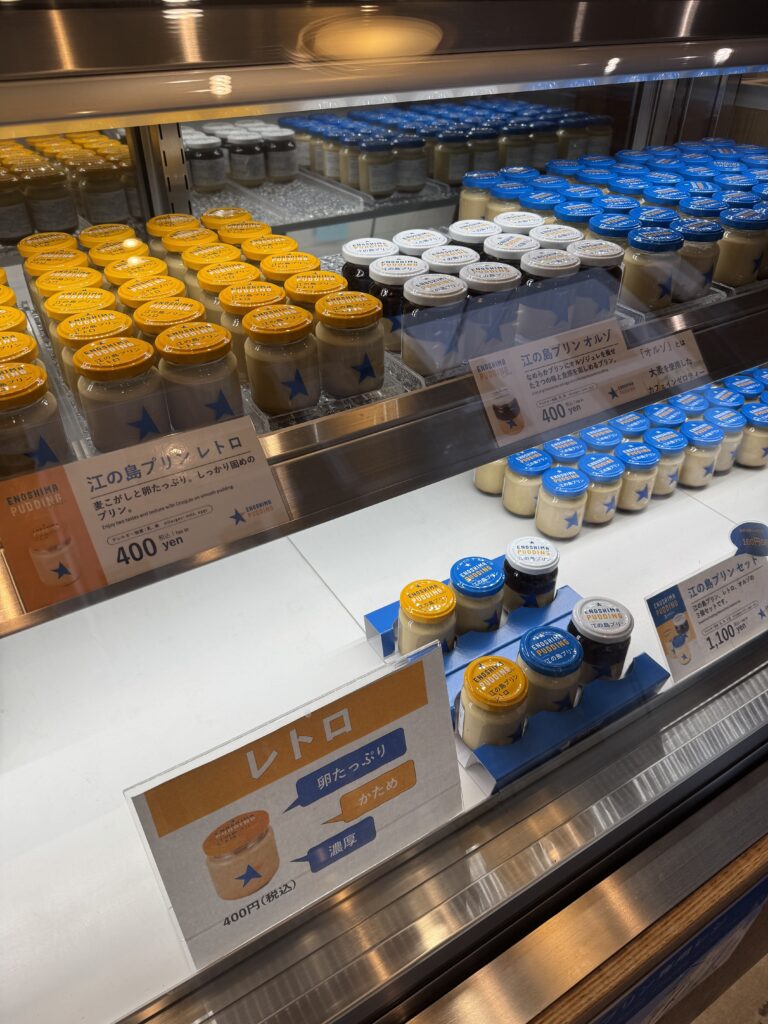
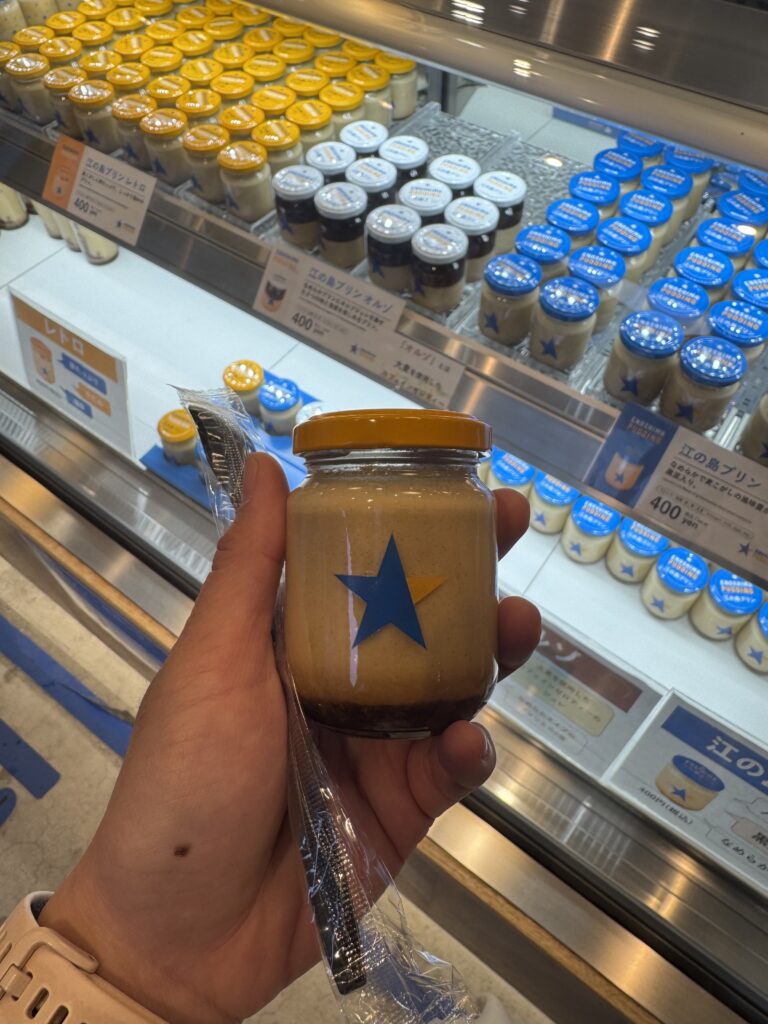
Enoshima Pudding
A popular dessert shop known for its smooth and creamy pudding. Made with rich milk and eggs and because of its cute packaging, it is a favorite treat among visitors exploring Enoshima and the surrounding area. The one I bought was the classic caramel flavour. It has a light sweetness and a silky mouthfeel, while the caramel sauce at the bottom adds a slightly bitter, deeper flavor that balances the sweetness perfectly.
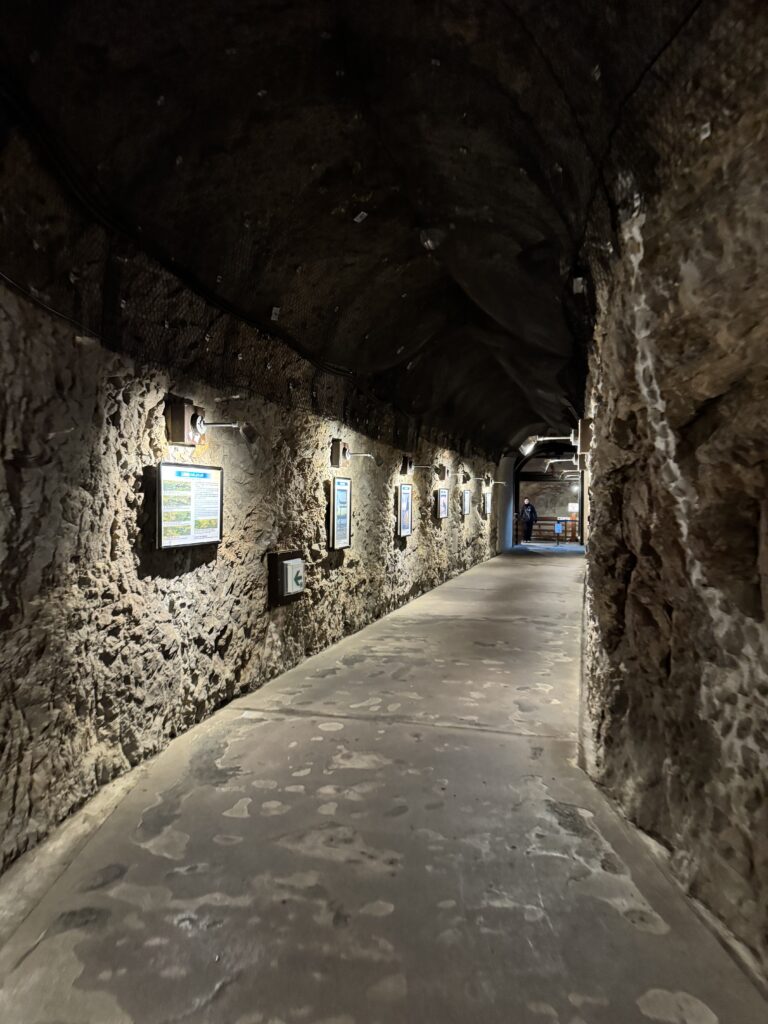
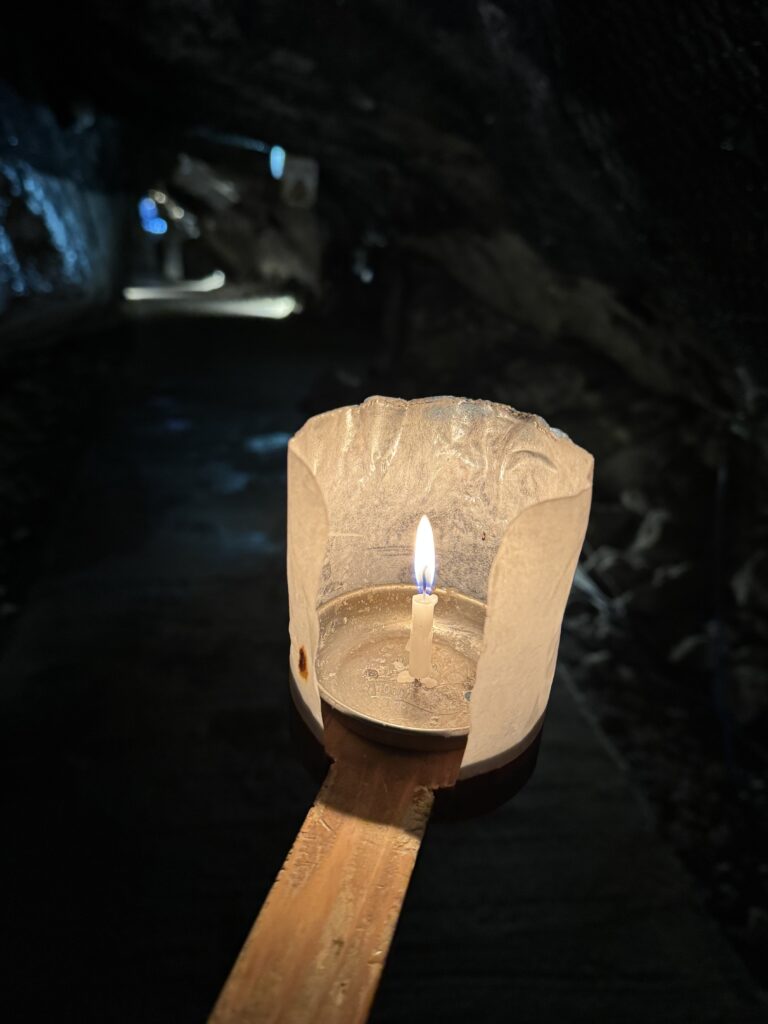
Enoshima Iwaya Caves
Located on the rocky coastline of Enoshima Island, these natural sea caves were formed over thousands of years by wave erosion. Visitors can explore the cave passages, learn about local legends and history, and enjoy dramatic ocean views along the way.
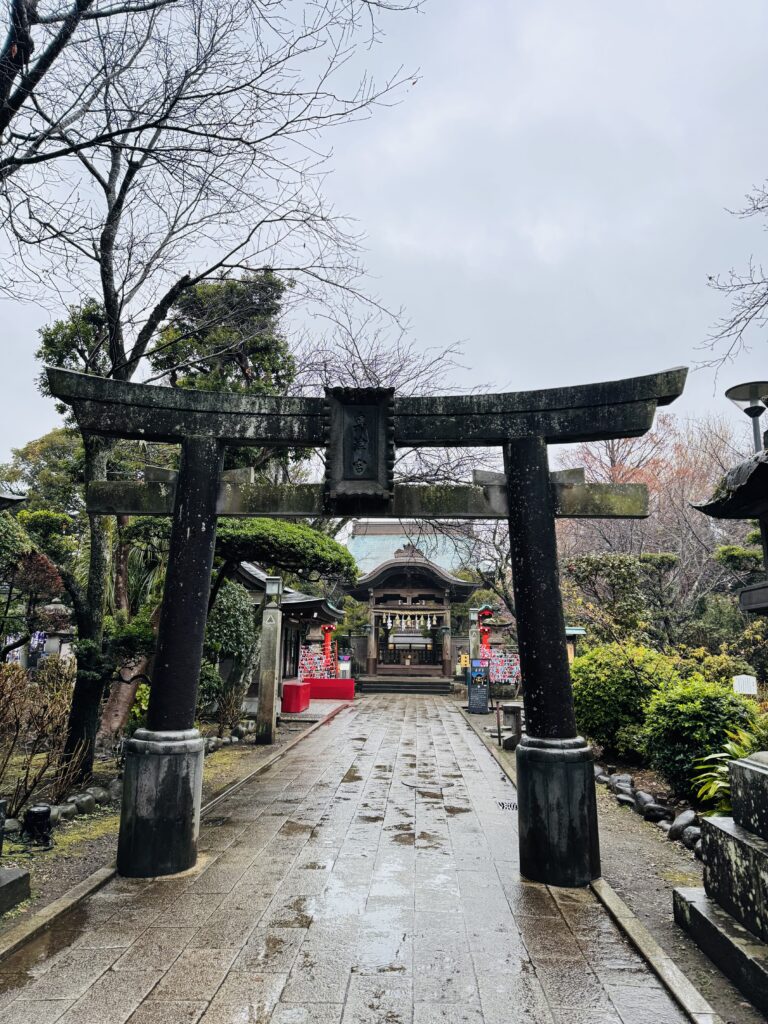
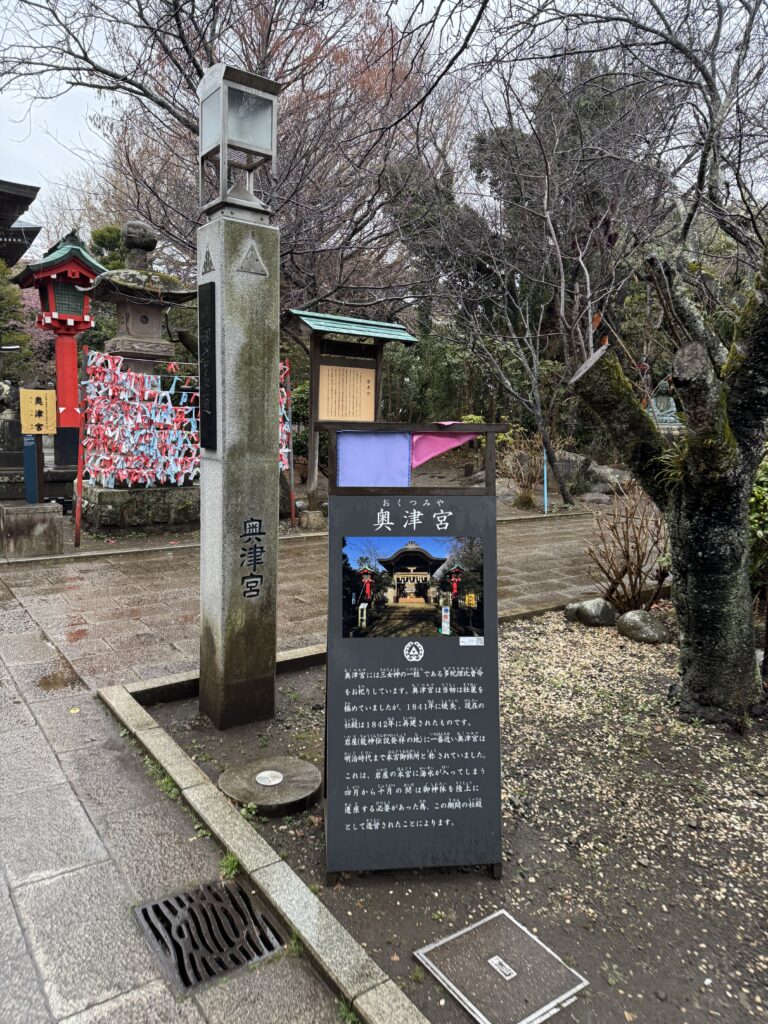
Enoshima Shrine (Okutsumiya)
Located near the sea cliffs and caves of Enoshima Island, Okutsumiya is a peaceful shrine surrounded by nature and beautiful ocean views. It is a quiet place to relax and learn about the island’s history and local legends.
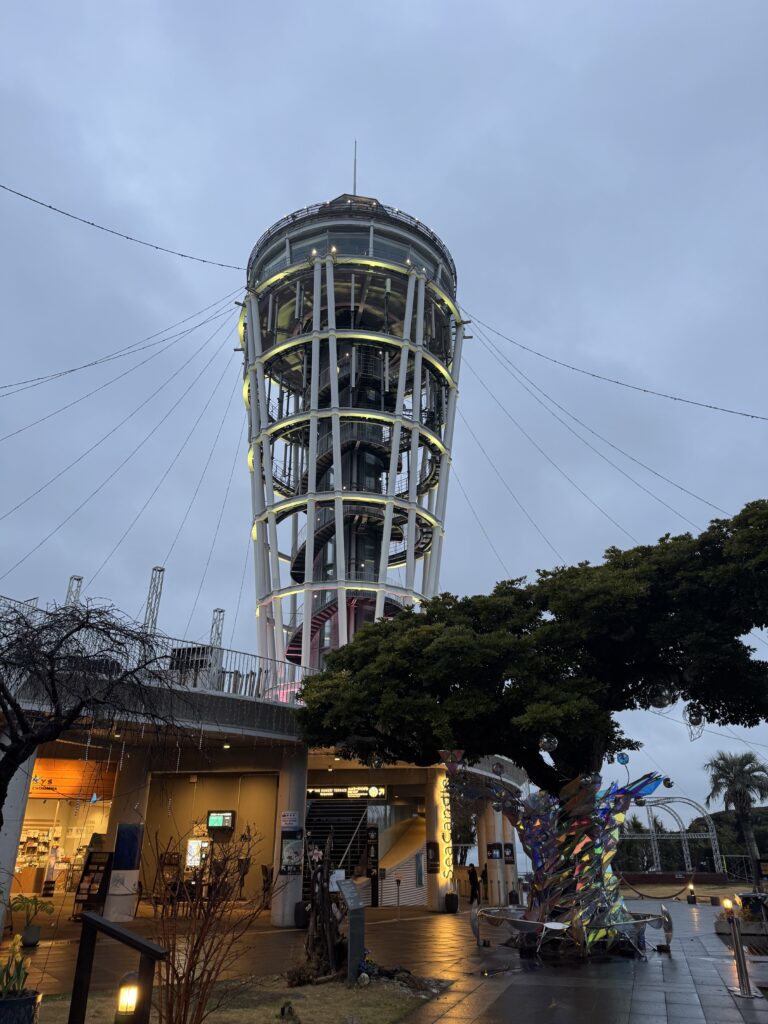
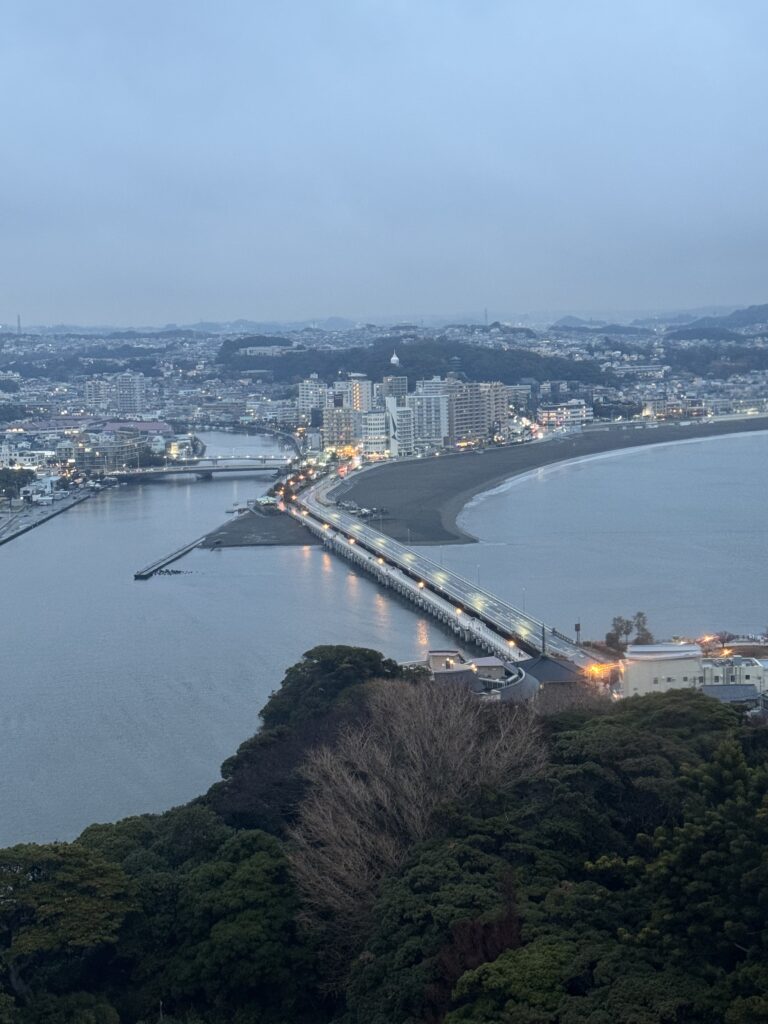
Enoshima Sea Candle
A popular observation tower on Enoshima Island offering panoramic views of the coastline, the ocean, and on clear days, Mount Fuji. It is especially beautiful at sunset and in the evening when the tower lights up.
Day 14 – Tokyo
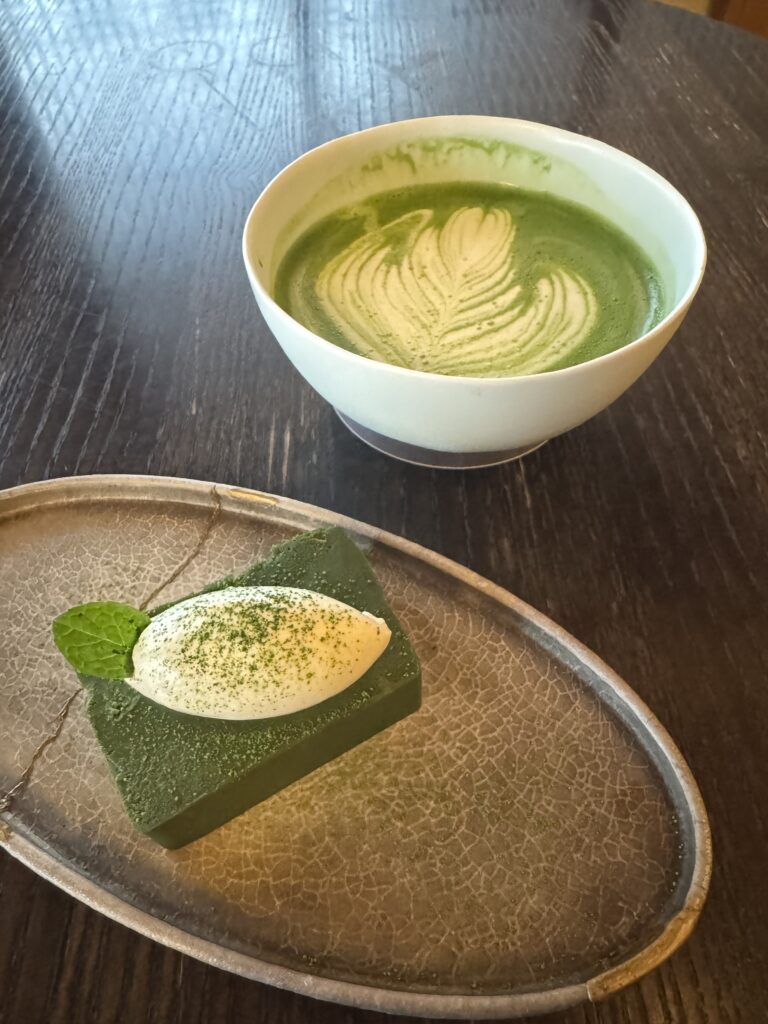
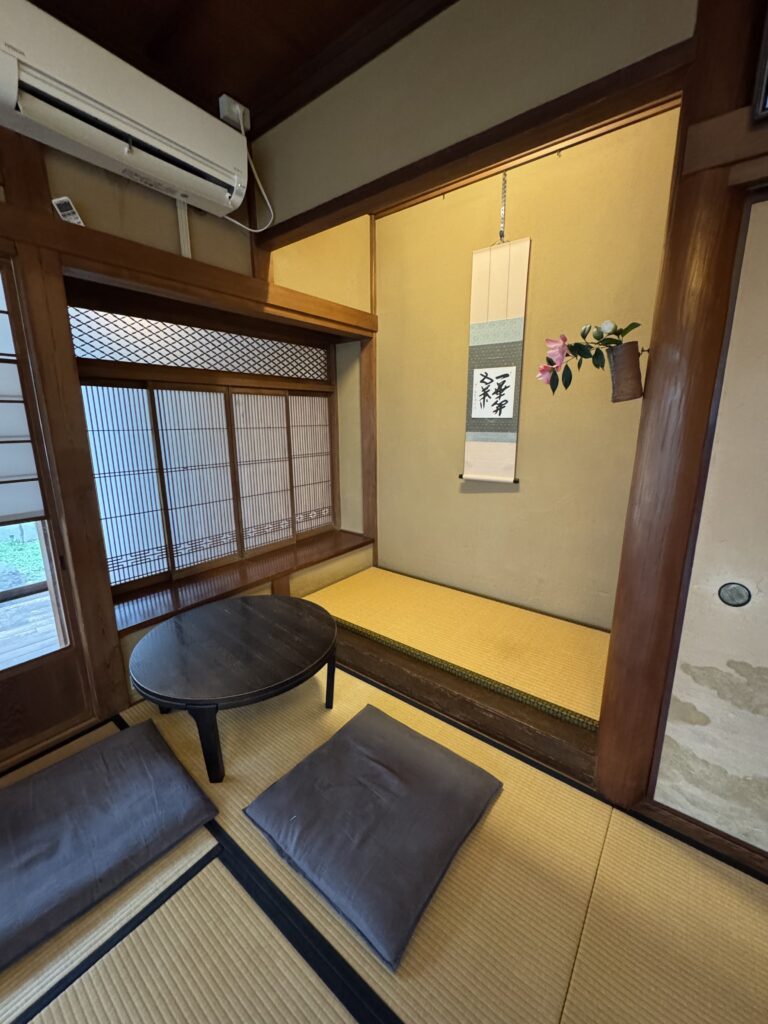
Chanoma (Matcha Cafe)
A cozy cafe known for its quality matcha drinks and desserts. From rich matcha lattes to sweet treats, it is a great place to relax and enjoy authentic Japanese matcha in a warm and welcoming atmosphere. I ordered a Matcha Terrine & Matcha Latte – Rich, earthy, and not overly sweet. The matcha terrine delivered a bold matcha flavor with a silky texture, while the latte was creamy and comforting. A must try combo for matcha lovers.
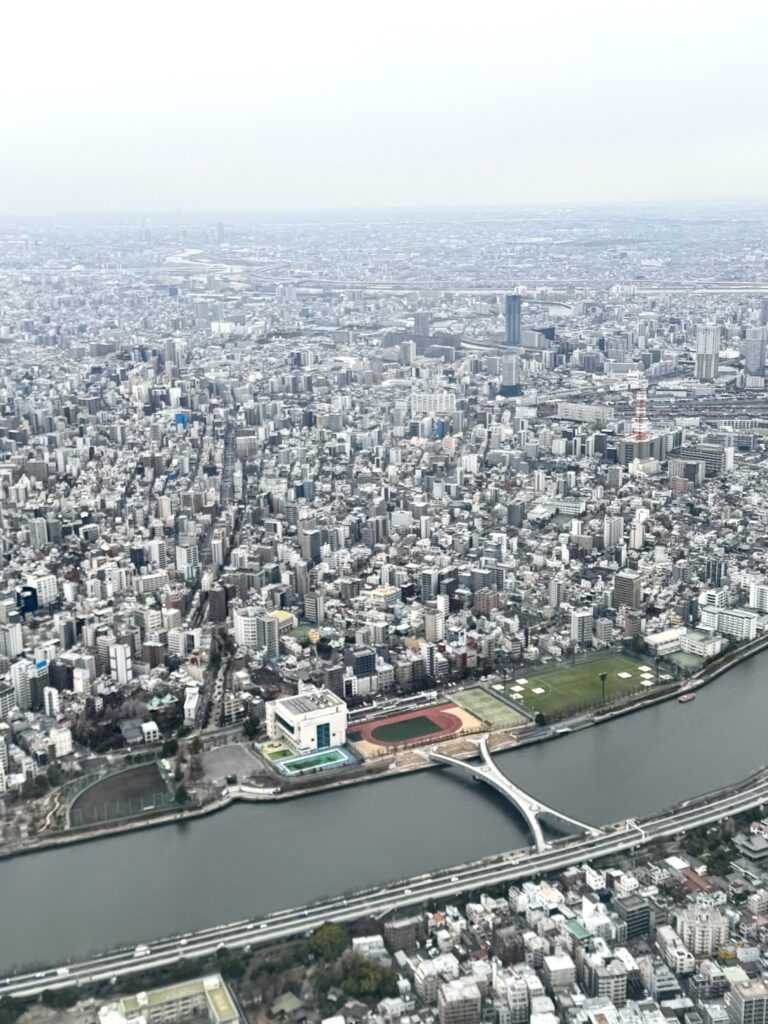
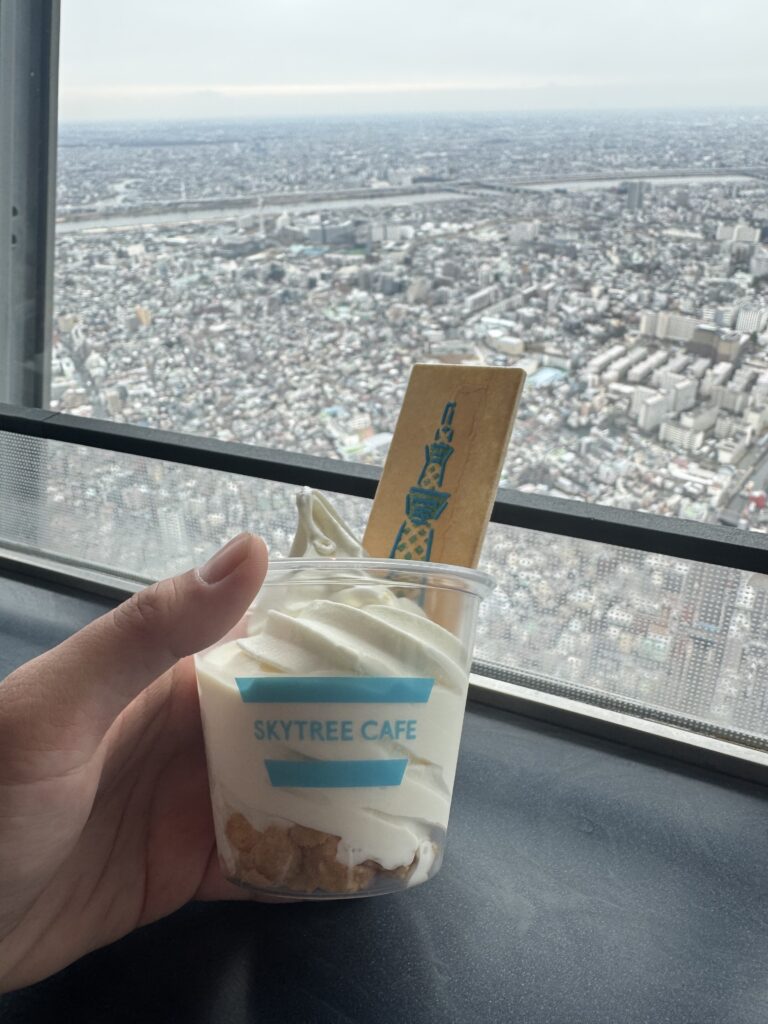
Tokyo Skytree
One of Tokyo’s most famous landmarks, Tokyo Skytree offers breathtaking views of the city from its observation decks. Visitors can enjoy panoramic views of Tokyo’s skyline, and on clear days, even catch a glimpse of Mount Fuji.
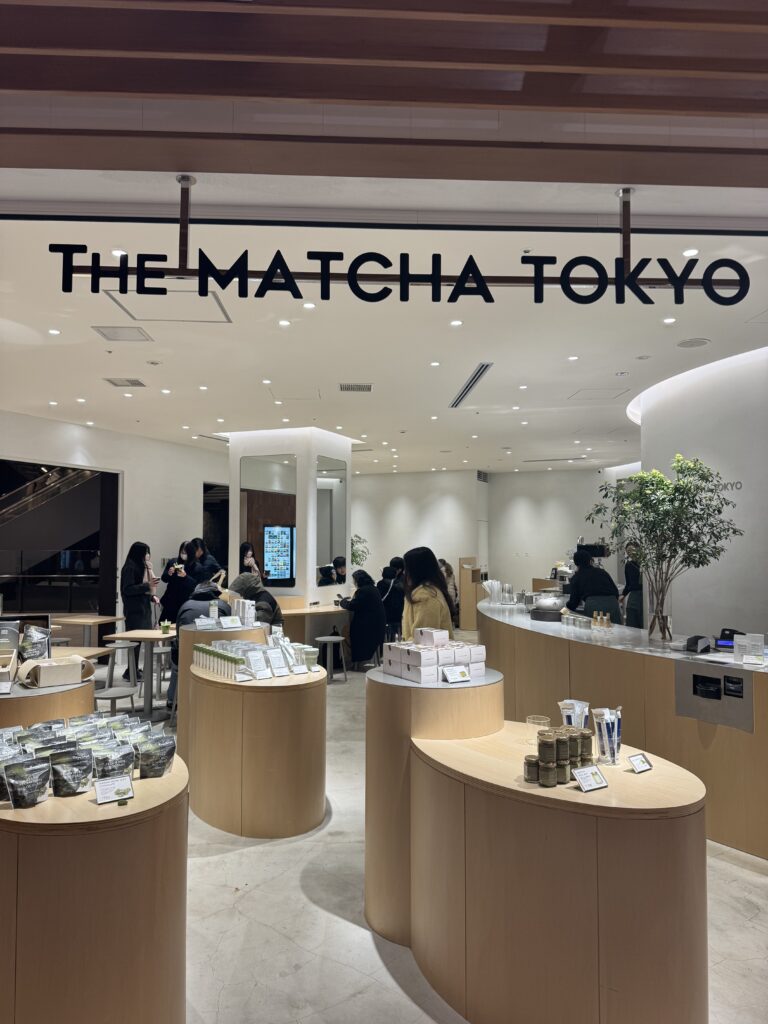

The Matcha Tokyo (Matcha Cafe)
A popular matcha cafe known for its high quality organic matcha drinks and desserts. From rich matcha lattes to soft serve ice cream, it is a great place for matcha lovers to enjoy authentic Japanese flavors in a modern setting.
Throughout this trip, I used Klook to book some of my travel experiences and tickets. If you’re planning for your trips, it’s worth checking out their deals. Also, you can use my code “EXPLOREWITHCAI” on KLOOK to enjoy extra savings on your trips.
Budget Breakdown [Total RM 7878]
✈️ Flights (AirAsia) [RM 2,336]
- Kuala Lumpur > Osaka
20kg baggage + insurance RM 895.83 - Tokyo Haneda > Kuala Lumpur
25kg baggage + inflight meal + insurance + seat selection RM 1,439.33
🏨 Accommodation [RM 1,684]
Click the hotel name to check the latest prices and deals.
- Acro Capsule Hotel Namba Dotonbori— 3 nights RM 331.18
- Glansit Kyoto Kawaramachi — 2 nights RM 315.70
- Cabin And Lounge Highland Station Inn — 3 nights RM 434.82
- Resol Poshtel Tokyo Asakusa — 1 night RM 160.45
- Lightning Hotel — 1 night RM 176.53
- Focus Kuramae — 2 nights RM 265.34
Interested in my stay experience? Can read more about it in this blog. (Coming Soon)
🚗 Transport [RM 960]
- Bus/Subway 19,063 yen
- Night bus (Kyoto > Mount Fuji) 9,200 yen
- Bus Mount (Fuji > Tokyo Shinjuku) 2,200 yen
- Train/Subway (Kamakura–Enoshima Pass) 1,640 yen
🍜 Food [RM 1,959] 66,964 yen
🎫 Tickets/Attractions [RM 396]
- Tsutenkaku Outdoor Observation Deck 200 yen
- Byodo-in Temple 700 yen
- Todai-ji Temple 800 yen
- Jojakko-ji Temple 500 yen
- Tenryu-ji Temple 500 yen
- Kodai-ji Temple 600 yen
- Nijo Castle (Included Ninomaru Palace Admission) 1300 yen
- Kinkaku-ji Temple 500 yen
- Oshino Hakkai 300 yen
- Toshogu Shrine 500 yen
- Shibuya Sky (Klook) RM 76.95
- Hase-dera Temple 400 yen
- The Great Buddha of Kamakura 300 yen
- Enoshima Iwaya Caves 500 yen
- Enoshima Escalator + Sea Candle Combo Ticket 700 yen
- Tokyo Skytree Combo Ticket (Tembo Deck + Tembo Galleria) 3100 yen
📎 Others [RM 543]
- Travel insurance RM 80
- 30 days Data Roaming RM 118
- Osaka Pass (1 day) (Klook) RM 96.99
- Kimono rental (Klook) RM 112.82
- Accommodation tax 400 yen
- Deer crackers (2 packs) 400 yen
- Luggage storage (3 times) 1,400 yen
- Laundry & drying (3 times) 1,900 yen
- Temple incense/donations 514 yen
Looking back, this solo trip to Japan was one of the most rewarding journeys I’ve ever taken. From indulging in the vibrant atmosphere of Osaka, feeding deer in Nara, sipping good matcha in Uji, wandering through the historic streets of Kyoto, chasing iconic Mount Fuji viewpoints, watching the Tokyo skyline glow after dark, discovering the temples and Great Buddha of Kamakura, to enjoying the seaside views of Enoshima, every destination added a different and unique perspective to my 14-days solo adventure across Japan.
The best part? Japan doesn’t have to break the bank. By staying in capsule hostels, using public transportation, and planning attractions strategically, I managed to experience multiple cities for a total cost of around RM 7,900, including flights.
If you’ve been thinking about travelling to Japan alone but keep postponing it, take this as your sign to go. Japan is one of the safest, most efficient, and most solo-travel-friendly countries in the world. With a little planning, your dream Japan trip might be much more achievable than you think.
Happy travels!
